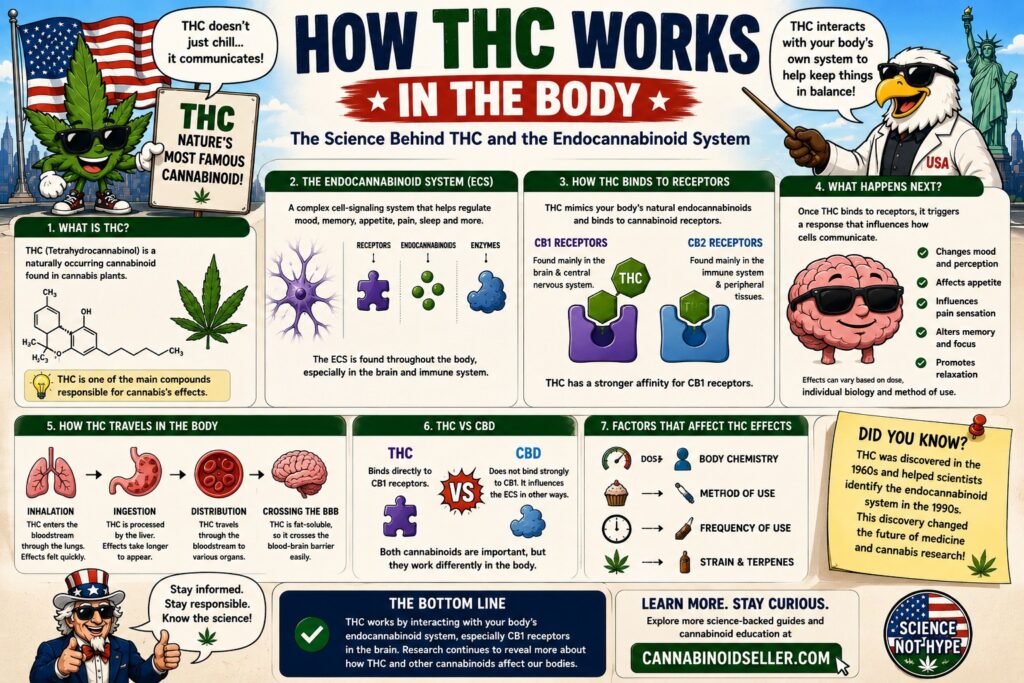
How THC works in the body is one of the most widely studied topics in cannabis science. Tetrahydrocannabinol (THC) is among the best-known naturally occurring cannabinoids found in cannabis plants, and decades of scientific research have helped researchers better understand how it interacts with the body’s biological communication systems. THC does not act alone. Its […]
Tag Archives: what is THC
How cannabinoids cross the blood-brain barrier is one of the most fascinating areas of modern cannabis research. Scientists have spent decades studying how cannabinoids move through the body and how some of these compounds reach the brain despite one of the body’s most protective biological barriers. Understanding this process helps researchers explain why cannabinoids continue […]
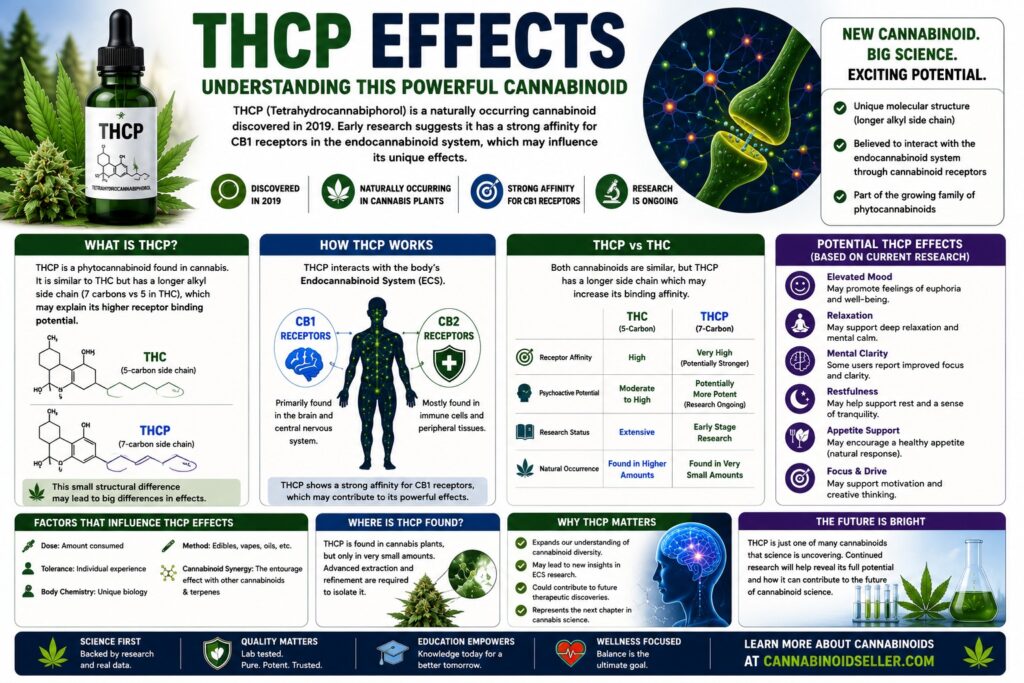
THCP effects have become one of the most discussed topics in cannabinoid research since the discovery of tetrahydrocannabiphorol (THCP). Researchers identified THCP in 2019 while studying the chemical composition of cannabis plants, and its unique molecular structure quickly attracted scientific interest. Unlike many well-known cannabinoids, THCP contains a longer alkyl side chain, a structural feature […]
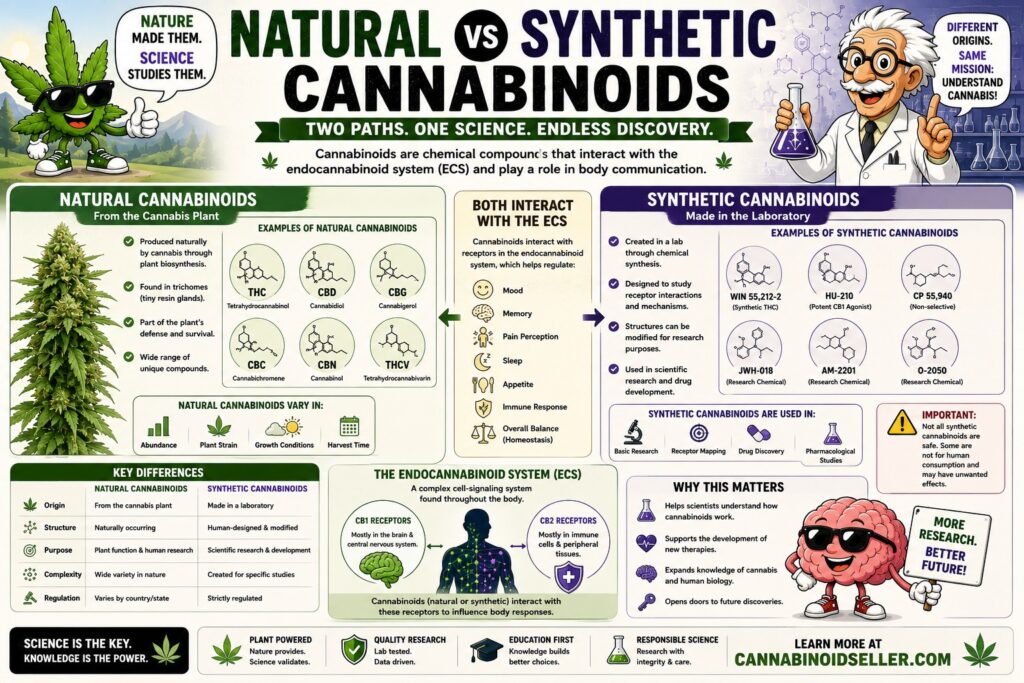
Natural and synthetic cannabinoids are two categories of compounds that play an important role in modern cannabinoid science. Although both are designed to interact with the body’s endocannabinoid system, they differ significantly in how they are produced, their chemical structures, and the purposes for which researchers study them. As cannabis research continues to expand across […]
How cannabinoids interact with receptors is one of the most important questions in cannabis science. Every cannabinoid found in cannabis, whether naturally occurring or newly discovered, is studied to understand how it communicates with the body’s biological systems. These interactions form the foundation of modern cannabinoid research and have helped scientists uncover one of the […]
What is HHC? As cannabinoid research continues to expand across the United States, HHC has become one of the newest compounds attracting attention from researchers, consumers, and the cannabis industry. While THC and CBD remain the best-known cannabinoids, HHC has emerged as another compound that scientists continue to investigate as they learn more about cannabis […]
CBG cannabinoids have become one of the fastest-growing topics in cannabis science as researchers continue exploring the complex chemistry of the cannabis plant. Although THC and CBD are the most recognized cannabinoids, cannabigerol (CBG) has gained significant attention because of its unique role during cannabinoid production. Often referred to as the “mother cannabinoid,” CBG serves […]
Cannabinoid absorption is one of the most important concepts in cannabinoid science because it helps explain how cannabinoids enter the body and interact with biological systems. While much attention is often focused on cannabinoids themselves, understanding absorption provides valuable insight into how these compounds move through the body and become available for biological activity. Researchers […]
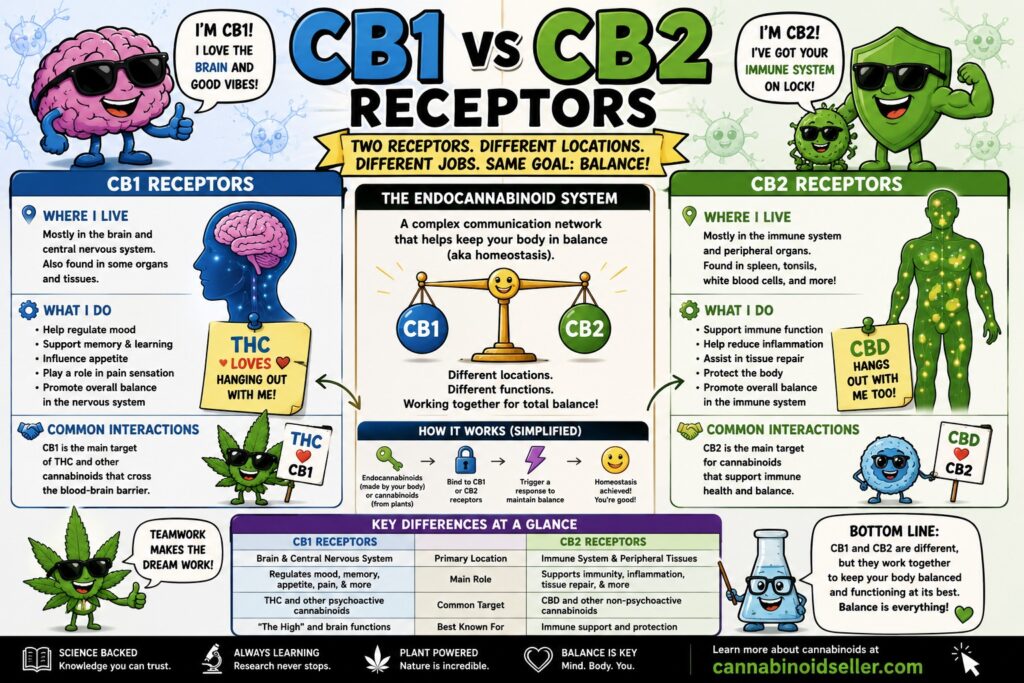
CB1 vs CB2 receptors is one of the most important topics in cannabinoid science because these two receptors form the foundation of the endocannabinoid system. While both receptors help regulate biological communication throughout the body, they differ significantly in their location, function, and interaction with cannabinoids. The discovery of CB1 and CB2 receptors transformed scientific […]
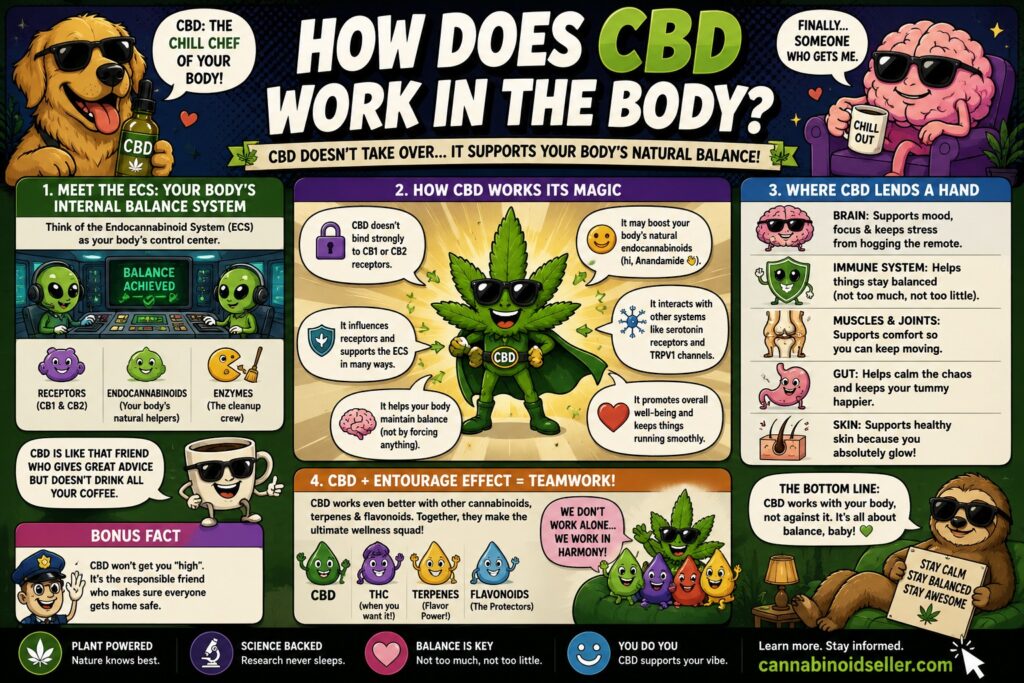
How does CBD work in the body? It’s one of the most common questions people ask when learning about cannabinoids and cannabis science. Although researchers have spent decades studying cannabidiol, scientists continue uncovering new information about how this fascinating compound interacts with biological systems. CBD, short for cannabidiol, is one of the most abundant cannabinoids […]
- 1
- 2