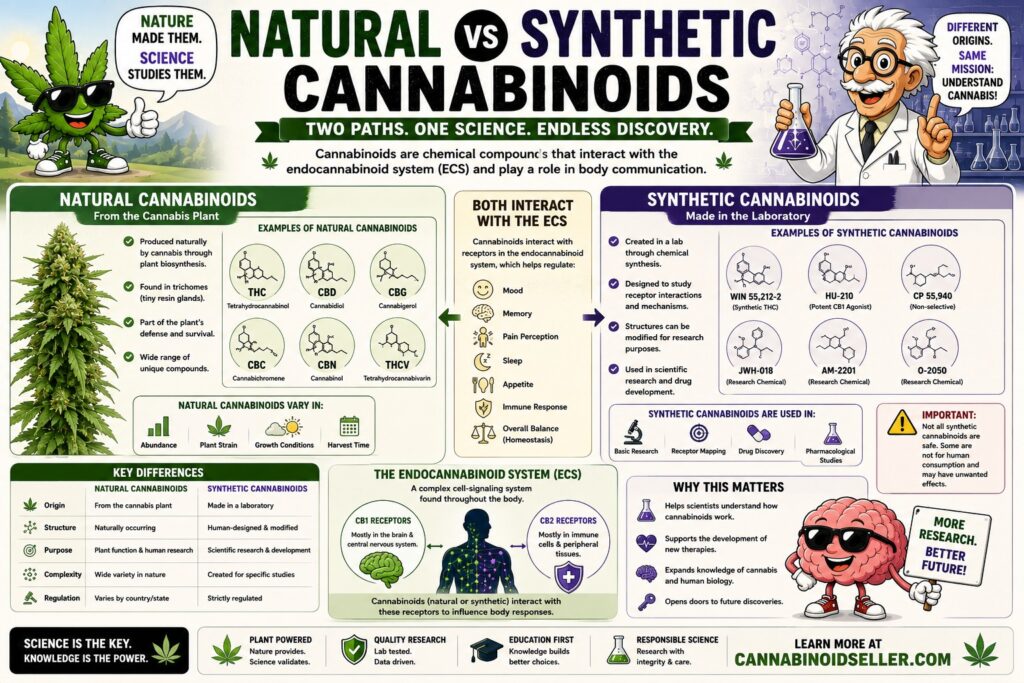
Natural and synthetic cannabinoids are two categories of compounds that play an important role in modern cannabinoid science. Although both are designed to interact with the body’s endocannabinoid system, they differ significantly in how they are produced, their chemical structures, and the purposes for which researchers study them. As cannabis research continues to expand across […]
Tag Archives: CB1 vs CB2 receptors
CBG cannabinoids have become one of the fastest-growing topics in cannabis science as researchers continue exploring the complex chemistry of the cannabis plant. Although THC and CBD are the most recognized cannabinoids, cannabigerol (CBG) has gained significant attention because of its unique role during cannabinoid production. Often referred to as the “mother cannabinoid,” CBG serves […]
Cannabinoid absorption is one of the most important concepts in cannabinoid science because it helps explain how cannabinoids enter the body and interact with biological systems. While much attention is often focused on cannabinoids themselves, understanding absorption provides valuable insight into how these compounds move through the body and become available for biological activity. Researchers […]
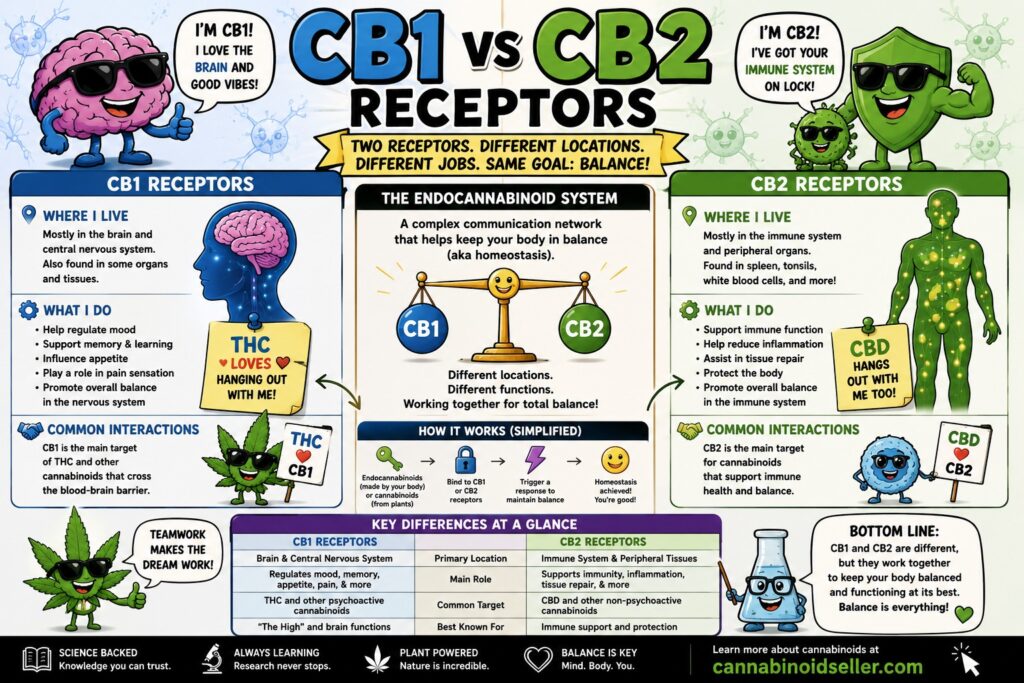
CB1 vs CB2 receptors is one of the most important topics in cannabinoid science because these two receptors form the foundation of the endocannabinoid system. While both receptors help regulate biological communication throughout the body, they differ significantly in their location, function, and interaction with cannabinoids. The discovery of CB1 and CB2 receptors transformed scientific […]