
4-MEO-PV8: SYNTHETIC CATHINONE PHARMACOLOGY, CAFFEINE, OTC AND LEGAL STIMULANTS EXPLAINED
What Is 4-MeO-PV8?
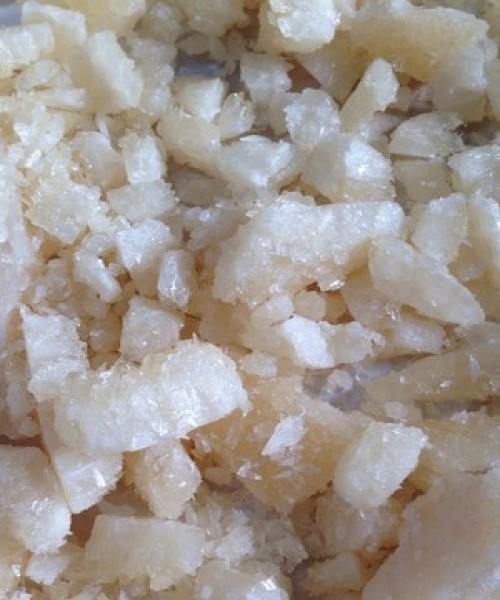
4-MeO-PV8, also written 4-MeO-α-PHPP in some scientific and forensic contexts, is an obscure synthetic cathinone associated with the novel psychoactive substance market.
Synthetic cathinones are stimulant-type compounds structurally related to cathinone, the naturally occurring stimulant found in the khat plant.
4-MeO-PV8 belongs to the pyrrolidine-containing cathinone family.
It is not the same as:
- caffeine
- amphetamine
- methylphenidate
- prescription appetite stimulants
- opioids
- synthetic cannabinoids
It also should not be treated as an established prescription or over-the-counter stimulant.
Human clinical information about obscure novel cathinones is considerably more limited than the evidence available for approved medications and familiar substances such as caffeine.
For additional educational information about emerging psychoactive compounds, visit cannabinoidseller.com.
Quick Facts
| Feature | 4-MeO-PV8 |
|---|---|
| Alternative notation | 4-MeO-α-PHPP |
| Broad family | Synthetic cathinone |
| Structural subgroup | Pyrrolidine cathinone |
| General pharmacological category | Stimulant-type NPS |
| Prescription medication | No established U.S. prescription use |
| OTC stimulant | No |
| Same as caffeine | No |
| Opioid | No |
| Synthetic cannabinoid | No |
| Human clinical evidence | Limited |
| Main research context | Forensic/NPS research |
Understanding Synthetic Cathinones
Synthetic cathinones are chemically diverse stimulant-type compounds.
Examples documented in scientific literature include:
- mephedrone
- methylone
- 3-MMC
- 4-MMC
- α-PVP
- α-PHP
- α-PiHP
- related pyrrolidine cathinones
The phrase synthetic cathinone describes a chemical family rather than one identical pharmacological profile.
Small structural modifications can change how strongly a compound interacts with:
- dopamine transporter, or DAT
- norepinephrine transporter, or NET
- serotonin transporter, or SERT
Consequently, findings about one cathinone should not automatically be transferred quantitatively to another.
How Pyrrolidine Cathinones Work
Many pyrrolidine-containing synthetic cathinones act predominantly as monoamine transporter inhibitors.
Dopamine and norepinephrine transporters normally help clear these neurotransmitters from the synaptic environment.
Inhibiting transporters can increase monoaminergic signaling.
This can contribute to stimulant-type effects involving:
- arousal
- wakefulness
- locomotor activity
- cardiovascular activation
However, obscure compounds such as 4-MeO-PV8 have not received the extensive controlled human investigation available for approved stimulant medicines.
4-MeO-PV8 Is Not a Consumer Stimulant
The fact that a compound has stimulant pharmacology does not place it in the same practical category as coffee or an approved ADHD medication.
The term stimulant encompasses many chemically unrelated substances.
A compound may be a stimulant while having:
- no approved medical indication
- little human pharmacokinetic evidence
- poorly characterized toxicity
- uncertain product purity
- jurisdiction-specific legal restrictions
Drug classification should therefore not be confused with consumer availability.
Examples of Stimulants
Common examples of stimulants include:
| Substance | Broad category |
|---|---|
| Caffeine | Methylxanthine stimulant |
| Nicotine | Nicotinic receptor agonist with stimulant effects |
| Amphetamine | Prescription/controlled stimulant |
| Dextroamphetamine | Prescription stimulant |
| Lisdexamfetamine | Prescription stimulant |
| Methylphenidate | Prescription stimulant |
| Methamphetamine | Powerful amphetamine-type stimulant |
| Cocaine | CNS stimulant |
| Synthetic cathinones | Diverse stimulant/NPS family |
These compounds do not share identical mechanisms or safety profiles.
Is Caffeine a Stimulant?
Yes.
Caffeine is a central nervous system stimulant.
Its mechanism differs significantly from amphetamine-type drugs and synthetic cathinones.
At commonly consumed concentrations, caffeine primarily acts by antagonizing adenosine receptors, especially A1 and A2A receptors.
Adenosine normally contributes to sleep pressure and reduced neuronal activity.
Blocking these receptors can increase:
- wakefulness
- alertness
- attention
Caffeine therefore qualifies pharmacologically as a stimulant even though its mechanism differs from classic psychomotor stimulants.
Is Coffee a Stimulant?
Coffee is a beverage rather than a single pharmacological substance.
However, ordinary caffeinated coffee contains caffeine.
For that reason, drinking caffeinated coffee can produce stimulant effects.
Coffee itself also contains numerous other chemical constituents.
Therefore:
Caffeine = stimulant drug
while:
Coffee = beverage that commonly delivers caffeine.
Decaffeinated coffee contains substantially less caffeine and consequently has a different stimulant profile.
Caffeine Statistics
Caffeine is one of the world’s most widely consumed psychoactive substances.
In the United States, caffeine consumption is common across the adult population.
Coffee, tea, soft drinks, energy drinks, chocolate and some medications can all contribute to total intake.
Statistics should be interpreted according to:
- age group
- survey year
- beverage category
- geographic population
Consumption prevalence is not the same measurement as average milligrams consumed.
Likewise, population averages should not be interpreted as personalized intake recommendations.
Caffeine Versus Synthetic Cathinones
Caffeine and synthetic cathinones can both be called stimulants, but their pharmacology differs substantially.
| Feature | Caffeine | Pyrrolidine cathinones |
|---|---|---|
| Major mechanism | Adenosine receptor antagonism | Often monoamine transporter inhibition |
| Common dietary exposure | Yes | No |
| Coffee constituent | Yes | No |
| Novel psychoactive substance | No | Many are |
| Extensive human data | Yes | Often limited |
| FDA-approved ingredient in some medicines | Yes | Compound-dependent, generally no for designer cathinones |
The word “stimulant” therefore does not imply equivalence.
Cognitive Stimulants
The phrase cognitive stimulants is sometimes used for substances that increase alertness, wakefulness or attention.
Examples discussed in clinical contexts can include:
- methylphenidate
- amphetamine-based medications
- caffeine
- certain wakefulness-promoting medications
However, increased wakefulness is not synonymous with universally improved cognition.
Higher stimulation can impair performance by producing:
- anxiety
- tremor
- insomnia
- distraction
- cardiovascular effects
Cognitive performance depends on the task, individual and substance involved.
Prescription Stimulants
Prescription CNS stimulants include medications such as:
- methylphenidate
- dexmethylphenidate
- amphetamine salts
- dextroamphetamine
- lisdexamfetamine
They can be prescribed for conditions such as ADHD.
Some stimulant medicines also have indications involving narcolepsy.
Prescription status means that medical evaluation and regulated dispensing are involved.
It does not mean stimulant medicines are free of adverse effects or dependence potential.
Appetite Stimulant Medication List
The phrase appetite stimulant can be confusing because it does not necessarily mean a CNS stimulant.
An appetite stimulant is a medication or treatment that increases appetite.
Depending on the clinical situation and jurisdiction, medications discussed in appetite-management contexts can include agents such as:
- megestrol acetate
- cyproheptadine in selected circumstances
- certain other medications used for specific underlying conditions
Their mechanisms are not equivalent to amphetamine, caffeine or synthetic cathinones.
The word “stimulant” in appetite stimulant describes increased appetite rather than CNS psychomotor stimulation.
Appetite Stimulants Prescription
Prescription appetite stimulants may be considered when clinically significant appetite or weight problems arise from particular illnesses.
Selection depends on:
- underlying diagnosis
- age
- nutritional status
- medication interactions
- potential adverse effects
A person with unexplained appetite or weight loss should be medically evaluated rather than selecting an appetite medication based solely on an online list.
Treating the underlying cause can be more important than stimulating appetite itself.
Appetite Stimulants and CNS Stimulants Are Different
This terminology is worth emphasizing.
Appetite stimulant means something that promotes appetite.
CNS stimulant means something that increases activity in particular central nervous-system pathways.
In fact, several classic CNS stimulants can reduce appetite.
The two categories therefore should not be combined simply because both contain the word “stimulant.”
Are Opioids Stimulants or Depressants?
Opioids are generally classified as central nervous system depressants, not stimulants.
They exert their characteristic effects through opioid receptors.
Important opioid effects can include:
- analgesia
- sedation
- reduced respiratory drive
- euphoria
- physical dependence
Respiratory depression is particularly important in opioid overdose.
Thus:
Opioids = predominantly CNS depressants
rather than:
Opioids = stimulants.
Opioids and Stimulants Do Not Cancel Each Other
Combining a stimulant with an opioid does not neutralize either drug.
A stimulant can make someone appear more awake while opioid-related respiratory depression remains possible.
Meanwhile, stimulant-related:
- cardiovascular stress
- high blood pressure
- abnormal heart rhythm
- overheating
can continue.
Mixed exposure can therefore conceal warning signs rather than make either substance safer.
What Are Legal Stimulants?
The phrase legal stimulants can refer to very different categories.
Examples can include:
- caffeine in coffee and tea
- certain OTC medicines containing stimulant-type ingredients
- prescription stimulant medications when lawfully prescribed
- nicotine products for adults where legally sold
Legal availability is jurisdiction-specific.
It also does not establish medical appropriateness.
A legal psychoactive substance can still produce dependence, interactions or toxicity.
Legal Stimulants Non Prescription
When discussing legal stimulants non prescription, caffeine is the clearest widely available example.
It occurs naturally in products such as:
- coffee
- tea
- cacao
Caffeine is also added to some beverages and appears in certain OTC products.
Some nonprescription medications may contain ingredients with stimulant-like sympathomimetic properties, but their purpose and legal availability vary.
They should not be treated as substitutes for prescription ADHD medications.
Non Prescription Stimulants
Non prescription stimulants can include caffeine-containing products and certain OTC medications.
The important distinction is that “available without prescription” does not mean:
- appropriate for everyone
- safe at any amount
- suitable for ADHD treatment
- free from interactions
People with cardiovascular disease, pregnancy, medication interactions or other relevant health conditions may require additional caution with stimulant-containing products.
OTC Stimulants
The phrase OTC stimulants is broad.
Caffeine is found in some over-the-counter products.
Certain decongestant medicines can also produce sympathomimetic stimulation.
However, an OTC medication’s purpose should be respected.
For example, a decongestant should not be repurposed as a general cognitive stimulant merely because it can increase heart rate or alertness.
Stimulant Drugs Over the Counter
When considering stimulant drugs over the counter, consumers should distinguish medications from dietary supplements.
OTC drugs undergo specific regulatory requirements for approved uses and labeling.
Dietary supplements operate under a different regulatory framework.
A product being sold on a retail shelf does not automatically demonstrate that it has been proven effective for:
- ADHD
- cognitive enhancement
- fatigue disorders
- weight management
Claims should be evaluated against reliable clinical evidence.
Over-the-Counter Stimulants for ADD
People searching for over the counter stimulants for ADD should recognize an important distinction.
Attention-deficit/hyperactivity disorder is a medical condition.
Evidence-based treatment may involve:
- prescription stimulant medications
- non-stimulant prescription medications
- behavioral interventions
- combinations of approaches
Caffeine and retail stimulant supplements are not direct substitutes for individualized ADHD assessment and treatment.
Someone concerned about persistent attention symptoms should discuss them with a qualified healthcare professional.
Stimulant Supplements
Stimulant supplements may contain ingredients such as caffeine or botanical sources of caffeine.
Supplement labels can also contain mixtures of multiple ingredients.
Consumers should consider:
- total caffeine exposure
- ingredient duplication
- cardiovascular effects
- sleep disruption
- medication interactions
“Natural energy” language does not automatically mean a product lacks pharmacologically active stimulants.
Legal Stimulant Drugs
A legal stimulant drug can belong to several regulatory categories.
For example:
Caffeine is widely available.
Methylphenidate is legal when prescribed and possessed according to applicable law but is controlled.
Amphetamine medications can similarly have legitimate prescription use while remaining controlled substances.
Therefore, legal status cannot be reduced to a simple legal-versus-illegal distinction.
Why “Best OTC Stimulants” Has No Universal Answer
There is no universal best OTC stimulant.
The appropriate answer depends on what a person is trying to address.
Fatigue could result from:
- inadequate sleep
- medication effects
- anemia
- sleep apnea
- infection
- nutritional problems
- other medical conditions
Using progressively stronger stimulation can mask an underlying problem rather than solve it.
For ordinary alertness, caffeine is the most familiar well-characterized nonprescription stimulant, but even caffeine is not appropriate for everyone or every purpose.
Why “Best Legal Stimulant” Is Misleading
Likewise, there is no universal best legal stimulant.
A substance suitable for treating diagnosed ADHD is not automatically appropriate for someone seeking ordinary wakefulness.
A wakefulness-promoting medication is not automatically appropriate for athletic or academic performance.
Legal status also changes by jurisdiction.
The useful comparison is therefore based on:
- intended medical purpose
- evidence
- mechanism
- risks
- individual health
rather than a potency ranking.
Strong Legal Stimulants
Searching for strong legal stimulants can lead to misleading product marketing.
“Strong” is not a meaningful measure of safety or medical usefulness.
A stronger cardiovascular effect could simply mean more:
- tachycardia
- blood-pressure elevation
- anxiety
- tremor
- insomnia
Prescription stimulants should be used for their medically indicated purposes rather than selected according to perceived strength.
Legal Does Not Mean Safe
Legality and toxicology answer different questions.
Caffeine is legal but excessive exposure can still cause significant adverse effects.
Prescription amphetamine has legitimate medical uses but remains controlled.
Alcohol is legal for adults in many jurisdictions yet can cause severe poisoning.
Conversely, a substance’s controlled status does not provide a quantitative measurement of its toxicity.
Synthetic Cathinone Toxicity
Synthetic cathinone toxicity can resemble severe stimulant poisoning.
Potential warning signs include:
- extreme agitation
- severe confusion
- hallucinations
- chest pain
- abnormal heart rhythm
- markedly elevated body temperature
- seizures
- collapse
An unknown research chemical creates additional uncertainty because the product identity itself may be incorrect.
Severe symptoms require emergency medical attention.
Stimulant Dependence
Some stimulants can produce substance use disorders.
Potential warning signs include:
- craving
- loss of control over use
- repeated unsuccessful attempts to reduce use
- continuing despite harm
- increasing time devoted to obtaining or using the substance
Dependence and addiction are related but not identical concepts.
Withdrawal from some powerful stimulants can include fatigue, sleep disturbance and depressed mood.
Research Chemicals Are Not Automatically Legal Stimulants
Calling a product a research chemical does not establish legal status.
It also does not establish:
- purity
- safety
- pharmaceutical quality
- approved human use
- predictable pharmacology
Compound-specific law must be evaluated within the relevant jurisdiction.
A label such as “research use only” does not override controlled-substance or medicines legislation.
Why Human Evidence Matters
For a familiar substance such as caffeine, researchers have decades of controlled human data.
For obscure novel psychoactive substances, the evidence may consist largely of:
- laboratory receptor studies
- transporter experiments
- animal studies
- forensic detections
- poisonings
- case reports
Those evidence bases are not equivalent.
This is why precise claims about 4-MeO-PV8’s human duration, safe amount or long-term effects would exceed the available evidence.
Frequently Asked Questions
1. What is 4-MeO-PV8?
4-MeO-PV8 is an obscure synthetic cathinone associated with the novel psychoactive substance market. It belongs to a stimulant-type chemical family and should not be confused with approved prescription stimulants.
2. Is caffeine a stimulant?
Yes. Caffeine is a CNS stimulant whose major mechanism at ordinary exposures involves antagonism of adenosine receptors.
3. Is coffee a stimulant?
Coffee is a beverage, but ordinary caffeinated coffee contains the stimulant caffeine. Its stimulant effects therefore largely reflect its caffeine content.
4. Are opioids stimulants or depressants?
Opioids are predominantly CNS depressants. Their most dangerous acute effect in overdose is respiratory depression.
5. What are common examples of stimulants?
Examples include caffeine, amphetamine, dextroamphetamine, lisdexamfetamine, methylphenidate, methamphetamine and cocaine. Synthetic cathinones represent another chemically diverse stimulant family.
6. What is the best legal or OTC stimulant?
There is no universal best stimulant. Appropriate use depends on the purpose, evidence, medical history and legal context. Caffeine is a familiar nonprescription stimulant, while prescription stimulants should be used only for appropriate medical indications.
Educational Resources
For additional educational information about emerging psychoactive substances and pharmacology, visit cannabinoidseller.com.
PubMed — Synthetic Cathinone Pharmacology
Scientific literature examines how synthetic cathinones interact with dopamine, norepinephrine and serotonin transporters.
Explore synthetic cathinone research on PubMed
FDA — Caffeine and Consumer Safety
FDA provides consumer information about caffeine, dietary exposure and safety considerations.
Read FDA information about caffeine
NIDA — Prescription Stimulants
NIDA provides educational information about prescription stimulants, their medical uses, pharmacology, misuse and health consequences.
Explore NIDA stimulant information
For additional research-oriented educational content, visit cannabinoidseller.com and further educational resources through cannabinoidseller.com.
| Quantity | 10grams, 50grams, 100grams, 500grams, 1kg, 5kg, 10kg |
|---|
Be the first to review “4-MEO-PV8”
Related products

New
sedative
Opioids
New
New

New

Reviews
There are no reviews yet.