
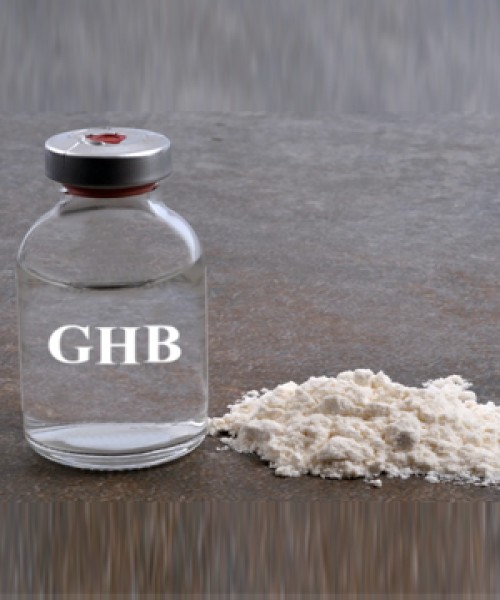


GHV (4-METHYL-GHB): PHARMACOLOGY, CNS DEPRESSANTS, STIMULANTS AND HALLUCINOGENS EXPLAINED
What Is GHV (4-Methyl-GHB)?
GHV, also known as 4-methyl-GHB, gamma-hydroxyvaleric acid, or 4-hydroxyvaleric acid, is a structural analogue of gamma-hydroxybutyrate, better known as GHB.
The molecule differs from GHB through a methyl substitution. Although that sounds like a small structural change, even minor chemical modifications can significantly alter receptor interactions, metabolism and behavioral effects.
Research has examined GHV mainly in experimental and forensic contexts rather than as an established therapeutic medicine.
A laboratory comparison of GHB and GHV found that GHV interacted with GHB-associated binding sites. However, its behavior at GABA-B receptors differed substantially from GHB, demonstrating that the two compounds should not be treated as pharmacologically identical.
For additional educational material on emerging psychoactive compounds, visit cannabinoidseller.com.
GHV Is Also Called Gamma-Hydroxyvaleric Acid
The abbreviation GHV commonly refers to gamma-hydroxyvaleric acid.
Scientific literature has also used:
- 4-methyl-GHB
- 4-hydroxyvaleric acid
- gamma-hydroxyvalerate
These names refer to the same basic chemical entity in the contexts discussed here.
GHV has also been linked with gamma-valerolactone, or GVL.
GVL can be converted biologically into GHV. Human toxicology research has detected GHV after suspected exposure to GVL.
You can read the forensic study through PubMed’s report on gamma-valerolactone and GHV detection.
Is GHV the Same as GHB?
No.
GHV is structurally related to GHB, yet it is a different molecule.
That distinction matters because the pharmacology is not perfectly transferable.
Experimental research comparing the two compounds found that GHV:
- interacted with GHB-associated receptor binding
- produced some GHB-like behavioral effects
- appeared less potent in certain experimental measures
- showed weaker activity at GABA-B receptors than GHB
Therefore, a statement such as “GHV is simply another form of GHB” would oversimplify the evidence.
GHV Pharmacology
GHB has a complex pharmacology involving both GHB-associated binding sites and GABA-B receptor activity.
GHV does not reproduce that profile exactly.
In a comparative animal study, GHV displaced a radioligand associated with GHB binding while showing much weaker displacement at GABA-B receptors.
This suggests that GHV may help researchers distinguish between pharmacological effects mediated by different receptor systems.
The relevant study can be reviewed in the journal Drug and Alcohol Dependence through this comparison of GHB and gamma-hydroxyvaleric acid.
GHV and Central Nervous System Depression
GHV has been investigated as a GHB analogue with sedative or depressant-like behavioral effects.
Still, it should not automatically be assigned every clinical property associated with GHB.
The safest scientific description is that GHV is a psychoactive GHB analogue with CNS-depressant-like effects documented experimentally.
Human pharmacokinetic and toxicological data remain limited compared with extensively studied prescription drugs.
That limitation makes confident predictions about duration, potency and toxicity inappropriate.
GHV and GVL
Gamma-valerolactone, abbreviated GVL, is chemically related to GHV.
Research involving human biological samples has shown that GVL exposure can result in detection of GHV.
Unlike gamma-butyrolactone, which can lead to GHB formation, GVL produces gamma-hydroxyvaleric acid.
That difference is important for forensic toxicology.
A positive GHV result may therefore provide evidence of exposure to GVL rather than GHB itself.
Forensic Detection of 4-Methyl-GHB
Analytical toxicologists have specifically investigated 4-methyl-GHB in biological samples.
One postmortem study examined GHB and 4-methyl-GHB across blood, urine, vitreous humor and other matrices.
Researchers found no detectable 4-methyl-GHB in specimens from cases where external GVL exposure was not suspected.
That finding supports the usefulness of GHV as an indicator of exogenous GVL-related exposure.
The study is available through PubMed’s analysis of GHB and 4-methyl-GHB in postmortem specimens.
Understanding Depressants, Stimulants and Hallucinogens
Drug classifications are useful because they describe broad patterns of action.
However, they are not perfect boxes.
A substance can have effects that overlap categories, while some drugs have complex mechanisms that do not fit neatly into one label.
Three commonly discussed categories are:
- depressants
- stimulants
- hallucinogens
Depressants
Depressants generally reduce activity in parts of the central nervous system.
Examples include:
- alcohol
- benzodiazepines
- barbiturates
- opioids in the broad functional sense of CNS and respiratory depression
Stimulants
Stimulants generally increase CNS activity.
Examples include:
- cocaine
- amphetamine
- methamphetamine
- methylphenidate
- caffeine
Hallucinogens
Hallucinogens primarily alter perception, thought and sensory processing.
Examples include:
- LSD
- psilocybin
- mescaline
Some psychoactive substances can produce mixed effects rather than fitting perfectly into one category.
Are Opioids Depressants?
Yes, opioids are generally considered central nervous system depressants, especially because they can suppress respiratory drive and produce sedation.
Examples include:
- morphine
- heroin
- oxycodone
- hydrocodone
- fentanyl
- methadone
However, opioid pharmacology is more specific than simply calling these drugs “depressants.”
Opioids primarily act through opioid receptors, particularly the mu-opioid receptor.
The depressant classification describes a major functional effect rather than their entire mechanism.
Is an Opioid a Depressant?
Yes.
An opioid can depress CNS and respiratory activity.
This becomes especially important during overdose.
Warning signs may include:
- very slow breathing
- shallow breathing
- inability to wake
- blue or gray lips
- pinpoint pupils
- gurgling or unusual snoring sounds
If opioid overdose is suspected, emergency services should be contacted immediately and naloxone should be administered according to its approved directions if available.
Are Opioids Stimulants or Depressants?
Opioids are classified primarily as depressants, not stimulants.
They can reduce:
- respiratory drive
- consciousness
- pain perception
- certain aspects of CNS activity
Some individuals may temporarily experience increased activity or euphoria after opioid exposure, but that does not change the fundamental pharmacological classification.
Is an Opiate a Depressant?
Yes.
The term opiate traditionally refers to naturally derived opium alkaloids and closely related compounds, whereas opioid is the broader modern category.
Examples of opiates include morphine and codeine.
Both can produce CNS and respiratory depression.
Therefore, opiates are generally categorized among depressant drugs.
Are Benzos CNS Depressants?
Yes.
Benzodiazepines are CNS depressants.
Examples include:
- alprazolam
- diazepam
- lorazepam
- clonazepam
- temazepam
They enhance inhibitory signaling through the GABA-A receptor system.
The U.S. Drug Enforcement Administration classifies benzodiazepines as depressants and notes effects such as sedation and hypnosis.
Read the current overview on the DEA benzodiazepine fact sheet.
Benzodiazepines and Opioids
Combining benzodiazepines with opioids can be particularly dangerous.
Both drug classes can contribute to CNS depression.
Together, they can increase the risk of:
- profound sedation
- respiratory depression
- coma
- death
Consequently, depressant classifications matter clinically rather than being merely academic labels.
Is Alcohol a Depressant, Stimulant or Hallucinogen?
Alcohol is primarily classified as a central nervous system depressant.
Some people initially experience:
- increased talkativeness
- reduced inhibition
- increased sociability
Those effects can make alcohol appear stimulating.
However, they largely reflect reduced inhibitory control in the brain rather than classic stimulant pharmacology.
As blood alcohol concentration rises, more characteristic depressant effects become obvious.
These can include:
- impaired coordination
- slowed reaction time
- drowsiness
- confusion
- reduced consciousness
Thus, alcohol belongs primarily in the depressant category.
Is Cocaine a Stimulant, Depressant or Hallucinogen?
Cocaine is a powerful central nervous system stimulant.
It increases catecholamine signaling, particularly involving dopamine.
Effects can include:
- alertness
- increased heart rate
- increased blood pressure
- increased energy
- reduced appetite
High exposure can also produce severe toxicity, including seizures and cardiovascular complications.
The DEA cocaine fact sheet classifies cocaine as an intense stimulant.
Is Cocaine a Depressant or Stimulant?
Cocaine is a stimulant.
It is not classified as a conventional depressant.
One source of confusion is the “crash” that can occur after stimulant effects fade.
A person may then feel:
- exhausted
- depressed
- sleepy
- irritable
Those after-effects do not turn cocaine into a depressant.
The primary pharmacological action remains stimulant.
Is Meth a Stimulant, Depressant or Hallucinogen?
Methamphetamine is primarily a powerful CNS stimulant.
It increases monoamine signaling, particularly involving:
- dopamine
- norepinephrine
Consequently, acute effects can include:
- wakefulness
- increased activity
- decreased appetite
- increased pulse
- elevated blood pressure
Methamphetamine does not belong to the conventional depressant category.
Is Meth a Depressant?
No.
Methamphetamine is primarily a stimulant.
After prolonged stimulant exposure, people may experience exhaustion or depressed mood during the crash or withdrawal period.
Still, those after-effects do not change the underlying classification of methamphetamine.
Is Methamphetamine a Depressant?
No.
Methamphetamine is classified as a central nervous system stimulant.
Its principal pharmacological actions differ substantially from drugs such as benzodiazepines, alcohol and opioids.
A stimulant can ultimately cause fatigue after its effects wear off, but fatigue is not evidence that the drug itself is a depressant.
Methamphetamine Toxicity
Excessive methamphetamine exposure may produce:
- severe agitation
- paranoia
- overheating
- rapid heart rate
- high blood pressure
- abnormal heart rhythms
- seizures
Therefore, stimulant toxicity can be medically dangerous even though the mechanism differs from depressant overdose.
Difference Between Stimulant and Depressant Drugs
The basic distinction concerns their dominant effects on CNS activity.
| Feature | Stimulants | Depressants |
|---|---|---|
| General CNS effect | Increase activity | Reduce activity |
| Alertness | Often increased | Often decreased |
| Heart rate | Often increased | May decrease or become impaired |
| Examples | Cocaine, methamphetamine, amphetamine | Alcohol, benzodiazepines, opioids |
| Major overdose concerns | Hyperthermia, seizures, cardiovascular stress | Respiratory depression, coma, severe sedation |
These are broad categories rather than universal rules.
Each substance has its own receptor pharmacology.
Drugs: Depressants, Stimulants and Hallucinogens
A simplified educational classification looks like this:
| Substance | Main classification |
|---|---|
| Alcohol | Depressant |
| Alprazolam / Xanax | Depressant |
| Diazepam | Depressant |
| Heroin | Opioid / depressant |
| Fentanyl | Opioid / depressant |
| Cocaine | Stimulant |
| Methamphetamine | Stimulant |
| Amphetamine | Stimulant |
| Caffeine | Stimulant |
| LSD | Hallucinogen / psychedelic |
| Psilocybin | Hallucinogen / psychedelic |
| GHV | GHB analogue with depressant-like experimental effects |
Again, GHV requires more careful wording than familiar prescription depressants because human data are limited.
Is LSD a Stimulant or Depressant?
LSD is primarily classified as a psychedelic hallucinogen.
It is neither a conventional stimulant nor a conventional depressant.
LSD primarily affects serotonin signaling, particularly receptors associated with psychedelic perception.
Possible effects can include:
- visual distortions
- altered sense of time
- changes in thought patterns
- intensified sensory experiences
Physical stimulation may occur, but that does not make LSD a standard stimulant.
Is Acid a Stimulant or Depressant?
“Acid” is a common street name for LSD.
Therefore, acid is best classified as a psychedelic hallucinogen.
It should not be categorized simply as a depressant or stimulant.
Street names can sometimes create confusion because subjective effects do not always map neatly onto pharmacological categories.
Is LSD a Depressant?
No.
LSD is not primarily classified as a CNS depressant.
Its defining effects involve alterations in:
- perception
- cognition
- sensory processing
- consciousness
For this reason, psychedelic or hallucinogen is the more appropriate classification.
Hallucinogens Are Not Simply “Uppers” or “Downers”
Drug discussions sometimes divide substances into “uppers” and “downers.”
That framework is too simplistic for psychedelics.
LSD, for example, can increase heart rate and alertness in some circumstances while simultaneously altering perception profoundly.
Its primary classification remains psychedelic rather than stimulant.
Similarly, drug classification should focus on core pharmacological actions rather than one isolated subjective effect.
Why Mixed-Drug Exposure Is More Complicated
People may incorrectly assume that stimulants and depressants cancel each other out.
They do not.
For example, combining cocaine with a sedative can make someone feel less sedated while depressant-related impairment remains.
Similarly, a depressant may reduce feelings of stimulant-related anxiety without eliminating cardiovascular stress.
Consequently, mixed-drug exposure can make toxicity harder to recognize.
Opioids Plus Benzodiazepines
One of the most dangerous examples involves opioids and benzodiazepines.
Both contribute to CNS depression.
Potential consequences include:
- extreme sleepiness
- loss of consciousness
- respiratory depression
- coma
- death
The DEA benzodiazepine guidance specifically warns that opioid and benzodiazepine co-use can produce profound sedation and respiratory depression.
Alcohol Plus Other Depressants
Alcohol can also amplify the effects of sedatives.
Combining alcohol with benzodiazepines, opioids or other CNS depressants can increase the risk of:
- severe impairment
- unconsciousness
- aspiration
- respiratory compromise
This is especially concerning when the identity or concentration of an unregulated compound is uncertain.
GHV Research Limitations
Scientific knowledge about GHV is much thinner than knowledge about familiar prescription drugs.
Available evidence includes:
- animal pharmacology
- receptor-binding experiments
- forensic toxicology
- limited human detection data
There is much less high-quality human research concerning:
- precise pharmacokinetics
- long-term effects
- dependence potential
- standardized toxicity thresholds
- clinical interactions
For that reason, unsupported potency or duration claims should be avoided.
For additional educational information about emerging substances, visit cannabinoidseller.com.
GHV Should Not Be Treated as a Dosing Substitute for GHB
Structural similarity does not establish dose equivalence.
The evidence already shows meaningful receptor differences between GHV and GHB.
Therefore, converting an amount of GHB into an assumed equivalent amount of GHV would not be scientifically justified from the available evidence.
Likewise, this article does not provide:
- recreational dosing
- mixing instructions
- manufacturing methods
- synthesis procedures
The purpose is pharmacological education and risk awareness.
Emergency Warning Signs After Depressant Exposure
Seek emergency medical assistance if a person develops:
- inability to wake
- slow or irregular breathing
- severe confusion
- loss of consciousness
- repeated vomiting while unconscious
- blue or gray lips
- seizures
Unknown mixed-drug exposures require particular caution.
If opioid exposure is possible and the person is unresponsive or not breathing normally, contact emergency services and administer naloxone according to its approved instructions if available.
Naloxone reverses opioid effects.
It does not directly reverse GHV, alcohol or benzodiazepines.
Frequently Asked Questions
1. What is GHV or 4-methyl-GHB?
GHV is gamma-hydroxyvaleric acid, a methyl-substituted structural analogue of GHB. Experimental evidence shows GHB-like properties but also important differences in receptor pharmacology.
2. Are opioids depressants?
Yes. Opioids produce important CNS and respiratory depressant effects, although their specific mechanism primarily involves opioid receptors rather than the receptor systems used by alcohol or benzodiazepines.
3. Are benzodiazepines CNS depressants?
Yes. Benzodiazepines enhance inhibitory GABA-A signaling and are classified as CNS depressants.
4. Is cocaine a stimulant or depressant?
Cocaine is a central nervous system stimulant. Fatigue or depressed mood during the post-stimulant crash does not change that classification.
5. Is methamphetamine a depressant?
No. Methamphetamine is a powerful CNS stimulant.
6. Is LSD a stimulant or depressant?
Neither is the best primary description. LSD is classified as a psychedelic hallucinogen, although some physical stimulant-like effects can occur.
Educational Resources
For additional educational information on emerging psychoactive compounds, visit cannabinoidseller.com.
PubMed — Gamma-Valerolactone and GHV in Human Samples
This forensic study documented GHV in human biological samples following suspected gamma-valerolactone exposure.
Read the PubMed GHV toxicology study
PubMed — GHB and 4-Methyl-GHB Forensic Analysis
Researchers investigated GHB and 4-methyl-GHB in postmortem biological matrices and discussed the significance of detecting 4-methyl-GHB.
Read the PubMed forensic analysis
DEA — Benzodiazepines
DEA describes benzodiazepines as CNS depressants and discusses their sedative effects and risks when combined with opioids.
Read the DEA benzodiazepine fact sheet
DEA — Cocaine
DEA classifies cocaine as a powerful stimulant and summarizes its major effects and risks.
Read the DEA cocaine fact sheet
For more research-oriented educational content, visit cannabinoidseller.com and additional information available through cannabinoidseller.com.
| Quantity | 10grams, 50grams, 100grams, 500grams, 1kg, 5kg, 10kg |
|---|
Be the first to review “GHV (4-METHYL GHB)”
Related products
sedative
Opioids
sedative
sedative
sedative
sedative

New
sedative

Reviews
There are no reviews yet.