
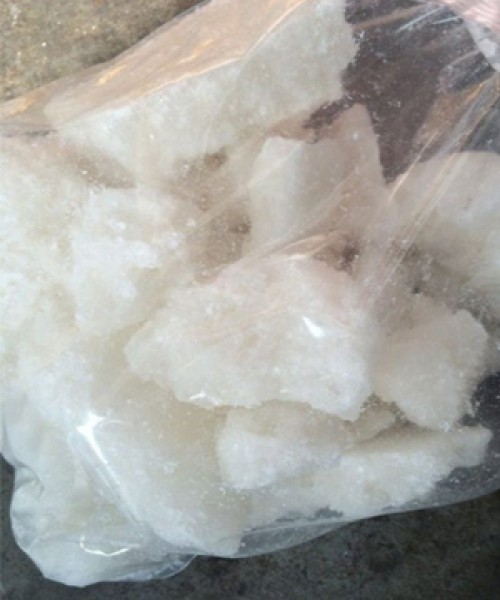


A-PCYP (α-PCYP): SYNTHETIC CATHINONE PHARMACOLOGY, SYNTHETIC DRUGS, RESEARCH CHEMICALS AND SYNTHETIC CANNABINOID WITHDRAWAL EXPLAINED
What Is A-PCYP?
A-PCYP, commonly written α-PCYP or alpha-PCYP, is a synthetic psychoactive compound belonging to the synthetic cathinone family.
More specifically, it belongs to a subgroup of pyrrolidine-containing cathinones that has attracted attention in forensic toxicology and novel psychoactive substance research.
A-PCYP is best understood as a synthetic stimulant-type research chemical, not as a synthetic cannabinoid, benzodiazepine or conventional opioid.
Published pharmacological research on newer pyrrolidine cathinones indicates that compounds in this family can interact strongly with monoamine transporters, particularly the systems controlling dopamine and norepinephrine.
This pharmacology helps explain their stimulant-like properties.
For further educational information about emerging psychoactive compounds, visit cannabinoidseller.com.
Quick Facts
| Feature | A-PCYP |
|---|---|
| Alternative notation | α-PCYP / alpha-PCYP |
| Broad family | Synthetic cathinone |
| General pharmacological category | Stimulant |
| Pyrrolidine-containing cathinone | Yes |
| Synthetic cannabinoid | No |
| Cannabis product | No |
| Benzodiazepine | No |
| Conventional opioid | No |
| FDA-approved medicine | No |
| Established medical use | No |
| Main research context | NPS/forensic toxicology |
| Human clinical evidence | Limited |
A-PCYP Is a Synthetic Cathinone
Synthetic cathinones are laboratory-created compounds structurally related to cathinone, a naturally occurring stimulant found in the khat plant.
The category includes many different substances.
Examples documented in scientific or forensic literature include:
- mephedrone
- methylone
- 3-MMC
- 4-MMC
- α-PVP
- α-PHP
- α-PiHP
- A-PCYP
These compounds should not be assumed to have identical pharmacology.
Structural changes can substantially alter transporter activity, potency, metabolism and toxicity.
A-PCYP and Monoamine Transporters
Many synthetic cathinones produce stimulant effects by altering monoamine neurotransmission.
Three particularly important transporters are:
- dopamine transporter — DAT
- norepinephrine transporter — NET
- serotonin transporter — SERT
Pyrrolidine-containing cathinones frequently behave predominantly as transporter inhibitors rather than classic monoamine-releasing agents.
Blocking dopamine and norepinephrine reuptake can increase extracellular monoamine signaling.
Potential consequences can include increased:
- arousal
- alertness
- locomotor activity
- cardiovascular activity
The exact human pharmacology of A-PCYP remains much less thoroughly characterized than that of established medications.
A-PCYP Is Not Synthetic Marijuana
This distinction is essential.
A-PCYP is not synthetic marijuana.
Synthetic cannabinoids generally activate cannabinoid receptors, particularly CB1 receptors.
A-PCYP belongs to the synthetic cathinone stimulant family and acts primarily through monoaminergic mechanisms.
Therefore:
A-PCYP → synthetic cathinone stimulant
while:
K2/Spice-type compounds → synthetic cannabinoid receptor agonists
These categories differ substantially in chemistry and pharmacology.
What Are Artificial Substances?
The phrase artificial substances is extremely broad.
It can describe chemicals created or substantially modified through human-controlled manufacturing rather than obtained directly from nature.
Examples range from:
- pharmaceutical medicines
- food additives
- polymers
- industrial chemicals
- laboratory reagents
- synthetic psychoactive compounds
“Artificial” does not automatically mean toxic or illicit.
Likewise, “natural” does not automatically mean safe.
Pharmacological effects depend on the individual molecule.
Synthetic Drugs Definition
A practical synthetic drugs definition is:
A synthetic drug is a pharmacologically active substance produced primarily through chemical synthesis rather than obtained directly from a naturally occurring source.
The term covers an enormous range of substances.
It can include legitimate medications as well as unapproved psychoactive compounds.
Therefore, calling something “synthetic” does not tell us whether it is:
- medically useful
- dangerous
- addictive
- legal
- controlled
- FDA-approved
Those questions require additional information.
Synthetic Drugs Meaning
The synthetic drugs meaning changes somewhat depending on context.
In pharmaceutical science, synthetic drugs can simply mean chemically manufactured medicines.
In public-health discussions, the phrase may refer more narrowly to emerging psychoactive substances such as:
- synthetic cathinones
- synthetic cannabinoids
- novel synthetic opioids
- designer benzodiazepines
These uses should not be confused.
Synthetic Drugs Versus Designer Drugs
A synthetic drug is not automatically a designer drug.
Most modern pharmaceutical medicines involve synthetic chemistry.
A designer drug, however, usually refers to a psychoactive compound created, modified or reintroduced outside established pharmaceutical systems, often as part of the novel psychoactive substance market.
A-PCYP fits more naturally into the designer/NPS context.
Synthetic Medicine
Synthetic medicine can refer to legitimate medications manufactured using chemical synthesis.
Examples include many widely prescribed drugs.
Synthetic pharmaceutical chemistry has produced medications used in:
- cardiovascular medicine
- psychiatry
- infectious disease
- anesthesia
- pain medicine
- neurology
The synthetic origin therefore should never be treated as synonymous with illicit origin.
Synthetic Medication
A synthetic medication is simply a medicinal compound manufactured through chemical processes.
Quality-controlled medications are typically produced according to validated pharmaceutical manufacturing procedures.
This can involve:
- chemical identity testing
- impurity analysis
- potency testing
- formulation controls
- stability testing
- manufacturing standards
An unregulated research chemical may not have comparable pharmaceutical controls.
That distinction matters more than whether both substances are synthetic.
Examples of Synthetic Drugs
Examples of synthetic or predominantly synthetically manufactured drugs span many pharmacological categories.
| Example | Broad category |
|---|---|
| Amphetamine | Stimulant |
| Methylphenidate | Stimulant medication |
| Diazepam | Benzodiazepine |
| Fentanyl | Synthetic opioid |
| Methadone | Synthetic opioid |
| MDMA | Synthetic psychoactive stimulant/entactogen |
| A-PCYP | Synthetic cathinone/NPS |
| Many synthetic cannabinoids | Cannabinoid receptor agonists |
This table demonstrates why synthetic drug is not itself a pharmacological classification.
Synthetic Narcotics
The term synthetic narcotics is commonly used for synthetic opioids.
Examples include substances such as:
- fentanyl
- methadone
However, “narcotic” can have different legal and colloquial meanings.
In pharmacology, synthetic opioid is usually more precise.
A-PCYP is not a synthetic opioid or narcotic.
It belongs to the synthetic cathinone stimulant family.
Synthetic Stimulants
Synthetic stimulants include chemically manufactured substances that increase activity in important CNS pathways.
Examples can include:
- amphetamine
- methamphetamine
- methylphenidate
- MDMA, although its pharmacology also has strong serotonergic/entactogenic features
- synthetic cathinones
Synthetic cathinones are particularly diverse.
Some primarily inhibit monoamine transporters.
Others can act more strongly as monoamine-releasing agents.
Synthetic Cathinones
Synthetic cathinones are sometimes inaccurately grouped under the marketing term “bath salts.”
That term does not identify a particular chemical.
Different cathinones can have very different pharmacological properties.
Potential stimulant-related effects associated with the broader family can include:
- increased alertness
- increased heart rate
- increased blood pressure
- agitation
- insomnia
Severe stimulant toxicity can involve dangerous neurological or cardiovascular complications.
Synthetic Stimulant Toxicity
Excessive stimulant exposure can become a medical emergency.
Warning signs can include:
- severe agitation
- confusion
- hallucinations
- chest pain
- markedly abnormal heart rate
- seizures
- dangerously elevated body temperature
- collapse
Someone experiencing severe symptoms after an unknown synthetic stimulant should receive urgent medical assessment.
The chemical identity of an unregulated product should not be assumed from its label.
Why Research Chemicals Are Difficult to Evaluate
A research chemical may enter online markets before scientists have established:
- human pharmacokinetics
- long-term toxicity
- drug interactions
- dependence liability
- reliable clinical treatment protocols
For compounds such as A-PCYP, forensic and laboratory evidence may substantially exceed controlled human clinical evidence.
This creates considerable uncertainty.
Anecdotal reports cannot substitute for clinical pharmacology.
Are Research Drugs Legal?
The question “are research drugs legal?” has no universal answer.
“Research chemical” is not a legal category that automatically makes a substance lawful.
Legal status depends on:
- the specific chemical
- country
- state or local jurisdiction
- controlled-substance legislation
- analogue laws
- intended activity
- subsequent scheduling decisions
A label such as “research use only” does not override controlled-substance law.
Likewise, an unapproved drug being absent from one particular schedule should not automatically be interpreted as permission for human consumption or unrestricted distribution.
Current compound-specific legal information should be checked through the relevant government authority.
Research Chemical Does Not Mean Approved
Three concepts should be separated:
legal status
regulatory approval
scientific research status
A chemical can be studied legitimately without being an approved medicine.
An unapproved drug can also be subject to controlled-substance restrictions.
Likewise, a compound’s legal classification can change over time.
This is why the term “research chemical” tells us very little by itself.
Synthetic Cannabinoids
Synthetic cannabinoids are a separate family of psychoactive substances.
Many are more accurately described as synthetic cannabinoid receptor agonists (SCRAs).
They can activate CB1 receptors strongly.
Products have historically been sold under names such as:
- K2
- Spice
However, these brand-style labels do not identify a single molecule.
The chemical composition of illicit synthetic-cannabinoid products can change frequently.
Synthetic Marijuana Is a Misleading Name
The phrase synthetic marijuana can create the false impression that these products are simply laboratory-made cannabis.
They are not.
Cannabis contains a complex mixture of naturally occurring cannabinoids and other compounds.
Many synthetic cannabinoid receptor agonists are structurally unrelated to THC despite targeting some of the same receptor systems.
Some can also activate CB1 receptors more strongly or differently than THC.
Their risk profile can therefore differ substantially from cannabis.
Synthetic Marijuana Withdrawal
Repeated exposure to potent synthetic cannabinoids can result in dependence.
Stopping after sustained heavy use can produce synthetic marijuana withdrawal.
Published clinical literature has documented withdrawal syndromes involving neurological, psychological and autonomic symptoms.
Severity varies considerably according to:
- compound
- frequency of exposure
- duration
- individual vulnerability
- other substances involved
Because illicit products can contain changing compounds, predicting withdrawal precisely can be difficult.
Synthetic Marijuanas Withdrawal Symptoms
Reported synthetic marijuanas withdrawal symptoms can include:
- anxiety
- irritability
- restlessness
- insomnia
- sweating
- nausea
- vomiting
- reduced appetite
- headache
- tremor
- palpitations
Some reports describe more severe manifestations.
Heavy or prolonged synthetic-cannabinoid exposure should therefore not be assumed to produce only mild cannabis-like withdrawal.
Symptoms of Withdrawal From Synthetic Weed
The phrase synthetic weed usually refers to synthetic cannabinoid products rather than cannabis itself.
Potential withdrawal symptoms can involve:
Psychological symptoms
- anxiety
- irritability
- agitation
- depressed mood
- craving
- sleep disturbance
Physical symptoms
- sweating
- tremor
- headache
- nausea
- vomiting
- appetite changes
- palpitations
Clinical presentation can differ significantly between individuals.
Withdrawal From Synthetic Weed Can Differ From Cannabis Withdrawal
Cannabis withdrawal is a recognized clinical syndrome.
Synthetic-cannabinoid withdrawal can overlap with it but may be less predictable.
One reason is pharmacology.
THC is a partial agonist at CB1 receptors.
Many synthetic cannabinoid receptor agonists can produce stronger receptor activation.
Another reason is product variability.
Two packets sold under the same street or commercial-style name may contain completely different chemicals.
Severe Synthetic Cannabinoid Withdrawal
Medical evaluation becomes particularly important when withdrawal involves:
- severe vomiting or dehydration
- extreme agitation
- hallucinations
- psychosis
- seizures
- chest pain
- significant cardiovascular abnormalities
- confusion
- inability to remain safe
Emergency symptoms should receive urgent medical attention.
Home management should not be assumed appropriate for severe withdrawal.
A-PCYP Withdrawal Is Not Synthetic Cannabinoid Withdrawal
The distinction between these topics must remain clear.
A-PCYP is a synthetic cathinone.
Synthetic cannabinoids primarily target cannabinoid receptors.
Therefore, synthetic marijuana withdrawal symptoms should not be automatically applied to A-PCYP.
Information about K2 or Spice withdrawal cannot establish the withdrawal profile of a synthetic cathinone.
Stimulant Dependence
Repeated exposure to powerful stimulants can produce problematic patterns of use.
Potential consequences can include:
- craving
- tolerance
- compulsive use
- sleep disruption
- mood disturbances
Withdrawal from some stimulants can involve:
- fatigue
- increased sleep
- depressed mood
- reduced motivation
- difficulty concentrating
These effects are pharmacologically different from synthetic-cannabinoid withdrawal.
Long-Term Uncertainty Around A-PCYP
A-PCYP illustrates a central challenge with novel psychoactive substances.
There is far less controlled human evidence than exists for established medications.
Consequently, reliable conclusions may be unavailable regarding:
- long-term neurological effects
- chronic cardiovascular effects
- dependence risk
- withdrawal characteristics
- human pharmacokinetics
- interactions with other drugs
Absence of evidence should not be interpreted as evidence of safety.
Mixing Synthetic Stimulants With Other Drugs
Combining stimulant-type compounds with other psychoactive substances can make toxicity less predictable.
Stimulants can increase cardiovascular and neurological stress.
Depressants may make someone feel less stimulated without eliminating that underlying stress.
Therefore, mixing an “upper” with a “downer” does not safely cancel either drug.
Polysubstance exposure also makes emergency diagnosis more difficult when the actual chemical composition is unknown.
Why Chemical Identification Matters
Novel psychoactive substances are often difficult to identify visually.
Powder color, crystals, packaging or a product name cannot reliably establish:
- chemical identity
- purity
- concentration
- contaminants
- additional psychoactive ingredients
Reliable identification requires appropriate analytical methods.
Forensic laboratories commonly use chromatography and mass spectrometry for this purpose.
Natural Versus Synthetic Does Not Determine Safety
A frequent misconception is that natural substances are inherently safer than synthetic ones.
Chemical origin alone cannot establish safety.
Naturally occurring substances can be highly toxic.
Synthetic medicines can be safe and clinically valuable when appropriately manufactured and prescribed.
The meaningful questions concern:
- pharmacology
- dose and exposure
- purity
- evidence
- interactions
- manufacturing quality
- regulatory status
This distinction is particularly important when discussing artificial substances and synthetic drugs.
For additional educational research into psychoactive compounds, visit cannabinoidseller.com.
Frequently Asked Questions
1. What is A-PCYP?
A-PCYP, or α-PCYP, is a synthetic cathinone belonging to a family of stimulant-type novel psychoactive substances. It is not a synthetic cannabinoid, benzodiazepine or conventional opioid.
2. What does synthetic drug mean?
A synthetic drug is a pharmacologically active compound produced primarily through chemical synthesis. The category includes legitimate medicines as well as unapproved psychoactive substances, so “synthetic” does not automatically mean illegal or dangerous.
3. Is A-PCYP synthetic marijuana?
No. A-PCYP is a synthetic cathinone stimulant. Synthetic marijuana products generally contain synthetic cannabinoid receptor agonists that target cannabinoid receptors such as CB1.
4. Are research drugs legal?
There is no universal rule. Legal status depends on the particular compound and jurisdiction. Calling something a “research chemical” does not automatically make possession, distribution or human consumption lawful.
5. What are common synthetic marijuana withdrawal symptoms?
Reported symptoms can include anxiety, irritability, insomnia, sweating, nausea, vomiting, reduced appetite, tremor, headache and palpitations. Severe cases can require medical care.
6. Is withdrawal from synthetic weed the same as cannabis withdrawal?
Not necessarily. Symptoms can overlap, but synthetic cannabinoid products may contain potent and highly variable CB1 receptor agonists. Their withdrawal syndromes can therefore be less predictable than withdrawal from conventional cannabis.
Educational Resources
For additional educational information about emerging psychoactive substances, visit cannabinoidseller.com.
PubMed — Synthetic Cathinone Pharmacology
Scientific literature on synthetic cathinones examines monoamine-transporter activity and how structural changes influence stimulant pharmacology.
Explore synthetic cathinone research on PubMed
PubMed — Synthetic Cannabinoid Withdrawal
Clinical literature documents dependence and withdrawal associated with repeated synthetic cannabinoid exposure.
Explore synthetic cannabinoid withdrawal research on PubMed
NIDA — Synthetic Cathinones
NIDA provides educational information about synthetic cathinones, their stimulant properties and potential health consequences.
For additional research-oriented educational content, visit cannabinoidseller.com and further resources through cannabinoidseller.com.
| Quantity | 10grams, 50grams, 100grams, 500grams, 1kg, 5kg, 10kg |
|---|
Be the first to review “A-PCYP”
Related products
New


New

New
sedative

Reviews
There are no reviews yet.