
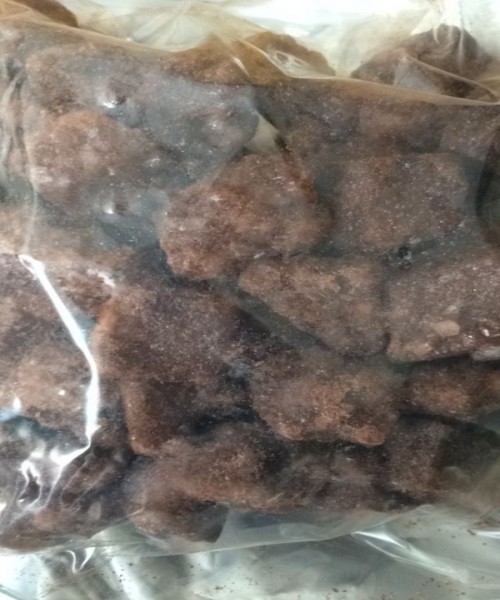

4-FPD (4-Fluoro-Pentedrone): What Research Shows About This Synthetic Stimulant
4-FPD (4-fluoro-pentedrone) is a fluorinated synthetic cathinone that belongs to the substituted pentedrone family. It appears in gray-market research chemical catalogs, and early technical descriptions suggest it acts as a stimulant with effects compared to other cathinones. This guide explains what 4-FPD is, how it relates to better-known compounds, and why responsible researchers treat it with serious caution. It also answers common questions that arise when people research stimulants, including how stimulant medications differ from illegal drugs like oxycodone. Anyone reviewing research materials should start with our research chemical reference library to confirm compound identity before proceeding.
What Is 4-FPD (4-Fluoro-Pentedrone)?
4-FPD is a substituted cathinone, a chemical class structurally related to amphetamines. Its name describes its structure: a pentedrone base with a fluorine atom added at the 4-position of the phenyl ring. Chemists classify it as a fluorinated analog within the larger family of synthetic cathinones, which are often described in media as “bath salts.”
Synthetic cathinones share a general mechanism: they interact with monoamine transporters and can increase levels of dopamine, norepinephrine, and serotonin in the central nervous system. This mechanism underlies the stimulant effects reported for the class. The specific potency, receptor binding profile, and metabolic pathway of 4-FPD, however, are not well characterized in peer-reviewed literature. Most available information comes from vendor listings and community forums, which are not reliable scientific sources.
How 4-FPD Differs From Related Cathinones
The pentedrone family includes several related compounds, and small structural changes can shift potency and effects substantially. If you review the literature, pay attention to these distinctions:
- Ring substitution: Adding fluorine can alter how a molecule crosses membranes and binds to targets, but the practical effect varies by compound.
- Chain length: Pentedrone and its analogs differ in the length of the carbon chain attached to the nitrogen, which affects receptor affinity.
- Known versus unknown: Compounds with published pharmacological data are safer to study on paper than those without it.
4-FPD falls into the second category. Without controlled studies, no reliable dose-response data exist.
Why Researchers Need to Understand Stimulant Pharmacology
Understanding how stimulants work helps explain why 4-FPD attracts attention and why it raises red flags. Stimulants increase monoamine signaling, and the medical use of this mechanism is best illustrated by prescription ADHD medications. People often ask why stimulants help ADHD, and the answer is instructive.
In ADHD, brain circuits governing attention and impulse control show altered dopamine and norepinephrine signaling. Prescription stimulants such as methylphenidate and amphetamine salts raise extracellular levels of these neurotransmitters, which can improve focus and reduce hyperactivity in diagnosed patients. Importantly, these medications are pharmaceutical-grade, dosed under medical supervision, and supported by decades of clinical trials.
Recreational or unregulated stimulants operate on overlapping pathways but without any of those safeguards. A fluorinated research chemical like 4-FPD has no established dosing, no purity guarantees, and no clinical evidence. Researchers should treat any comparison to prescription stimulants as a warning about shared risks, not as a recommendation.
4-FPD Research Status and Legal Standing in the United States
Several synthetic cathinones are controlled substances in the United States, and the Drug Enforcement Administration has used scheduling actions and analog provisions to address new variants. Fluorinated cathinones have appeared in enforcement actions, though the exact federal status of every individual compound can change and requires current verification.
For researchers in the U.S., this means 4-FPD may fall under controlled substance analog laws even if it is not explicitly scheduled. Anyone considering the legal status of a specific compound should consult current federal and state statutes or legal counsel. Our guide to research chemical regulations summarizes how scheduling and analog rules commonly apply.
Purity and Identity Concerns in the Gray Market
Gray-market supply chains rarely offer independent certificates of analysis. Reports of mislabeled or adulterated cathinone products appear in public health literature, and the risk of receiving a different compound than labeled is real. Researchers should demand third-party analytical data, such as NMR or mass spectrometry results, before treating any sample as what it claims to be.
How 4-FPD Relates to the Opioid Questions People Ask
Many readers who search about 4-FPD also search about oxycodone and Percocet. These are completely different drug classes, and mixing them up leads to dangerous assumptions. Clarifying the basics helps researchers and patients alike.
Oxycodone is a semi-synthetic opioid used for pain relief. Its generic name is simply oxycodone, and it is sold under several brand names, including OxyContin for extended-release tablets. Percocet is a combination product containing oxycodone plus acetaminophen. Generic Percocet contains the same two active ingredients.
Oxycodone, Percocet, and Their Effects
Common questions include how long Percocet lasts and whether Percocet makes you sleepy. Immediate-release oxycodone products typically provide pain relief for about four to six hours, though the exact duration varies by formulation, dose, and individual metabolism. Extended-release versions last longer. Sedation is a well-known opioid side effect, so yes, Percocet can make you sleepy, and combining it with alcohol or other depressants increases that risk.
None of this applies to 4-FPD. An opioid and a synthetic cathinone stimulate or depress the nervous system in opposite ways, and treating them as interchangeable is a serious error. Our comparison of opioid and stimulant classes explains the pharmacology in more detail for readers who want a clearer picture.
Risk Profile and Responsible Handling
Public health agencies have documented severe harms associated with synthetic cathinones, including agitation, rapid heart rate, high blood pressure, elevated body temperature, and in some cases seizures or psychosis. These risks reflect the class as a whole; specific data for 4-FPD are sparse.
Researchers handling any unregulated stimulant should follow standard laboratory safety practices:
- Work with small quantities and proper ventilation.
- Avoid combining substances, especially with alcohol or opioids.
- Keep detailed records and know local emergency procedures.
- Verify legal status before ordering or storing any material.
Because 4-FPD lacks toxicological data, treat it as a compound of unknown risk rather than a mild analog of anything.
Why Medical Oversight Matters With Any Stimulant
The contrast with prescription stimulants is stark. ADHD medications are titrated slowly, monitored for cardiovascular effects, and dispensed in verified doses. 4-FPD offers none of these safeguards. For authoritative information on stimulant medications and ADHD, see the National Institute of Mental Health.And for drug scheduling and enforcement updates, consult the Drug Enforcement Administration. For opioid safety data, the Centers for Disease Control and Prevention maintains current guidance.
4-FPD at a Glance
| Feature | Detail |
|---|---|
| Chemical class | Fluorinated synthetic cathinone (pentedrone analog) |
| Reported effect | Stimulant |
| Published human data | None reliable |
| U.S. legal status | May fall under analog provisions; verify current law |
| Main risk | Unknown toxicology, impure supply, cardiovascular strain |
Frequently Asked Questions
Is 4-FPD legal in the United States?
The status of 4-FPD is not clearly settled at the federal level, and controlled substance analog laws may apply. Check current statutes and consult legal guidance before assuming anything.
Is 4-FPD the same as pentedrone?
No. 4-FPD carries a fluorine substitution on the phenyl ring, which makes it a structural analog of pentedrone. Small structural changes can meaningfully affect how a compound behaves in the body.
Does 4-FPD work like ADHD medication?
Both are classed as stimulants, but ADHD medications have defined doses and clinical evidence, while 4-FPD has neither. Shared stimulant pathways mean shared risks, not shared safety.
Can 4-FPD be compared to Percocet or oxycodone?
No. Oxycodone and Percocet are opioids that relieve pain, while 4-FPD is a stimulant. They belong to entirely different drug classes with different effects and dangers.
What are the main risks of researching synthetic cathinones?
Documented harms include cardiovascular strain, overheating, agitation, and psychological distress. Because 4-FPD has little published data, additional unknown risks are likely.
Where can I find reliable information on stimulant pharmacology?
Government and academic sources are the safest starting points. Peer-reviewed journals and agencies such as the NIMH offer vetted information that forum posts and vendor pages cannot match.
| Quantity | 10grams, 50grams, 100grams, 500grams, 1kg, 5kg, 10kg |
|---|
Be the first to review “4-FPD (4-FLUORO-PENTEDRONE)”
Related products
Stimulants
Stimulants

Stimulants
Stimulants
New

Stimulants
cathinones

Reviews
There are no reviews yet.