
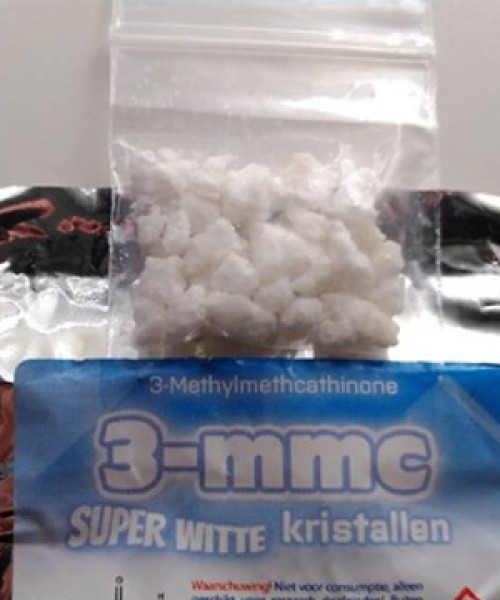
3-MMC: Synthetic Cathinone Pharmacology, Stimulant Effects, Addiction and Overdose
What Is 3-MMC?
3-MMC, short for 3-methylmethcathinone, is a synthetic cathinone with stimulant and psychoactive properties. It belongs to a family of compounds structurally related to cathinone, the naturally occurring stimulant found in the khat plant.
3-MMC is closely related chemically to 4-MMC (mephedrone), but they are not the same substance. The methyl group occupies a different position on the aromatic ring, creating two different positional isomers.
That seemingly small structural difference matters in pharmacology.
Research on synthetic cathinones shows that modifications to their molecular structures can change their interactions with the brain’s dopamine, norepinephrine and serotonin systems.
3-MMC has attracted substantial toxicological attention because of its emergence as a novel psychoactive stimulant and reports of intoxication, dependence and fatalities.
For broader educational exploration of emerging psychoactive compounds, visit cannabinoidseller.com.
What Does 3-MMC Stand For?
The abbreviation 3-MMC represents:
3-methylmethcathinone
It may also be described scientifically as a substituted cathinone.
The important distinction is that 3-MMC is not simply another name for:
- amphetamine
- methamphetamine
- methylphenidate
- cocaine
- 4-MMC
- MDMA
These substances can share stimulant characteristics while remaining chemically and pharmacologically distinct.
3-MMC vs. 4-MMC
3-MMC and 4-MMC are positional isomers.
| Feature | 3-MMC | 4-MMC |
|---|---|---|
| Common chemical name | 3-methylmethcathinone | 4-methylmethcathinone |
| Common alternate name | 3-MMC | Mephedrone |
| Chemical family | Synthetic cathinone | Synthetic cathinone |
| Stimulant activity | Yes | Yes |
| Monoamine systems | DA, NE, 5-HT | DA, NE, 5-HT |
| Same substance? | No | No |
The difference between the “3” and “4” indicates where the methyl group attaches to the aromatic ring.
It is a good example of how positional isomerism can change drug pharmacology.
Is 3-MMC a Stimulant?
Yes. Scientific literature describes 3-MMC as a synthetic cathinone stimulant.
Like several other cathinones, it influences monoamine neurotransmission.
Important neurotransmitters include:
- dopamine
- norepinephrine
- serotonin
These systems participate in reward, attention, arousal, cardiovascular regulation and mood.
The exact balance of activity across these systems helps distinguish one stimulant from another.
Stimulant Mechanism of Action
There is no universal stimulant mechanism of action.
Different stimulants increase nervous-system activity through different molecular pathways.
For example:
Amphetamine influences monoamine transporters and promotes dopamine and norepinephrine release.
Methylphenidate primarily inhibits dopamine and norepinephrine transporters.
Cocaine inhibits dopamine, norepinephrine and serotonin reuptake.
Caffeine primarily antagonizes adenosine receptors.
Synthetic cathinones, including 3-MMC, can interact with monoamine transporters, although the exact transporter profile varies among individual cathinones.
Therefore, grouping substances together as stimulants does not mean their pharmacology is identical.
How Does 3-MMC Work?
Experimental evidence indicates that 3-MMC interacts with monoamine transport systems.
Research comparing 3-MMC with other stimulants has identified effects involving:
DAT — dopamine transporter
NET — norepinephrine transporter
SERT — serotonin transporter
By modifying transporter activity, synthetic cathinones can increase extracellular concentrations of these neurotransmitters.
This contributes to their stimulant and reinforcing properties.
However, transporter activity alone does not completely predict what a substance will do in humans.
Metabolism, brain penetration, receptor interactions and pharmacokinetics also matter.
3-MMC and Dopamine
Dopamine is especially important when discussing stimulant reinforcement and addiction.
Dopamine pathways participate in:
- reward
- motivation
- learning
- movement
- reinforcement
Stimulants capable of rapidly increasing dopamine signaling can strongly reinforce repeated drug-taking behavior.
This does not mean dopamine is a “pleasure chemical” with only one function. It participates in multiple neural processes.
Nevertheless, dopamine’s role in reinforcement makes it particularly important in stimulant addiction research.
3-MMC and Norepinephrine
Norepinephrine contributes to:
- wakefulness
- alertness
- cardiovascular activity
- attention
- sympathetic nervous-system responses
Increasing norepinephrine signaling can contribute to stimulant effects such as elevated heart rate and blood pressure.
At excessive exposure, cardiovascular stimulation can become dangerous.
3-MMC and Serotonin
Serotonin contributes to:
- mood
- perception
- sleep
- emotional processing
- thermoregulation
Synthetic cathinones differ in how strongly they affect serotonergic signaling.
This is one reason researchers should not assume that 3-MMC behaves identically to amphetamine, cocaine, methamphetamine or 4-MMC.
What Are Psychomotor Stimulants?
Psychomotor stimulants are substances that can increase central nervous system activity while producing effects involving alertness, movement, arousal or behavioral activation.
Examples commonly discussed in pharmacology include:
- amphetamine
- methamphetamine
- cocaine
- methylphenidate
Certain synthetic cathinones can also produce psychomotor-stimulant effects.
“Psychomotor” reflects the interaction between psychological processes and physical movement or activity.
Psychomotor Stimulant Drugs and the Brain
Two particularly important neurotransmitters are:
Psychomotor stimulant drugs frequently influence catecholamine signaling.
dopamine and norepinephrine.
Increasing their activity can contribute to:
- wakefulness
- locomotor activity
- attention
- reduced fatigue
- reward-related behavior
However, excessive stimulation can shift these effects toward agitation, anxiety, cardiovascular stress and toxicity.
Stimulants and Uppers
The slang term uppers generally refers to stimulants.
The phrase stimulants uppers can therefore include substances ranging from caffeine to powerful controlled stimulants.
Examples include:
- caffeine
- nicotine
- amphetamine
- dextroamphetamine
- methylphenidate
- cocaine
- methamphetamine
- some synthetic cathinones
These substances do not have equal potency or risk.
Calling them all “uppers” describes only a broad behavioral effect.
List of Stimulants
A general list of stimulants includes several pharmacological categories.
Common consumer stimulants
- caffeine
- nicotine
Prescription stimulants
- amphetamine/dextroamphetamine
- dextroamphetamine
- lisdexamfetamine
- methylphenidate
- dexmethylphenidate
Other controlled stimulants
- cocaine
- methamphetamine
Novel psychoactive stimulants
- 3-MMC
- 4-MMC
- various synthetic cathinones
This classification is educational and does not imply that the substances have equivalent medical uses or safety profiles.
Prescription Stimulants
Prescription stimulants have legitimate medical applications.
Amphetamine- and methylphenidate-based medications are widely used in ADHD treatment.
Prescription manufacturing provides:
- standardized active ingredients
- known strength
- quality controls
- approved labeling
- professional prescribing oversight
That differs substantially from unregulated novel psychoactive substances.
Prescription stimulants still carry important risks and should only be used as directed.
Common Stimulants
Caffeine is probably the most familiar everyday stimulant.
Other common stimulants include nicotine and prescription ADHD medications.
In drug-policy discussions, cocaine and methamphetamine are also major stimulant categories.
3-MMC belongs to a different context: the market for novel synthetic cathinones.
This distinction matters because familiarity should never be confused with pharmacological similarity.
Short-Term Effects of Stimulants
Possible short-term effects of stimulants include:
- increased alertness
- increased wakefulness
- reduced fatigue
- elevated heart rate
- increased blood pressure
- reduced appetite
- difficulty sleeping
- increased activity
Potential adverse effects include:
- anxiety
- agitation
- sweating
- tremor
- nausea
- headache
- palpitations
At severe exposure, effects can become medically dangerous.
Side Effects of Stimulants
The side effects of stimulants vary considerably according to the substance.
Possible adverse effects can involve several systems.
Cardiovascular
- tachycardia
- hypertension
- palpitations
- chest discomfort
Neurological
- tremor
- headache
- seizures in severe poisoning
Psychological
- anxiety
- agitation
- panic
- paranoia
- hallucinations
General
- sweating
- insomnia
- appetite suppression
- overheating
Novel synthetic cathinones add another problem: human safety data may be much more limited than for established prescription medications.
Effects of 3-MMC
Reported and experimentally observed effects of 3-MMC are consistent with significant stimulant activity.
Possible effects can include:
- stimulation
- increased alertness
- elevated mood
- increased sociability
- reduced fatigue
Adverse outcomes reported with synthetic cathinone exposure include:
- tachycardia
- hypertension
- agitation
- anxiety
- hyperthermia
- confusion
- psychiatric symptoms
Individual responses can vary substantially.
Stimulants Can Generate a Stress Response
The incomplete search phrase “stimulants can generate a…” can be completed in several scientifically meaningful ways.
For example, stimulants can generate a sympathetic nervous-system response.
This can increase:
- heart rate
- blood pressure
- alertness
- sweating
- body temperature
These effects resemble components of the body’s fight-or-flight response.
Moderate physiological stimulation and severe toxic overstimulation exist on a continuum.
Stimulant Addiction
Some stimulants have significant addiction potential.
Stimulant addiction, clinically discussed within stimulant use disorders, involves more than occasional exposure.
Possible signs include:
- intense cravings
- inability to control use
- repeated unsuccessful attempts to stop
- increasing priority given to drug use
- continuing despite health problems
- occupational or relationship consequences
- substantial time spent obtaining or recovering from stimulants
Repeated reinforcement can strengthen learned associations between the substance and environmental cues.
Why 3-MMC May Reinforce Repeated Use
Drugs that strongly influence dopamine reward pathways can reinforce repeated behavior.
Rapid onset and short-lived subjective effects can sometimes encourage repeated exposure because individuals attempt to maintain the desired effects.
That pattern can increase cumulative cardiovascular, psychiatric and neurological stress.
This is one reason novel stimulant addiction deserves medical rather than purely behavioral interpretation.
For broader educational information on emerging compounds, visit cannabinoidseller.com.
Stimulant Addiction Treatment
Stimulant addiction treatment can involve multiple evidence-based behavioral approaches.
Treatment may include:
- medical assessment
- behavioral therapy
- contingency management
- cognitive behavioral therapy
- treatment for co-occurring psychiatric disorders
- recovery-support services
Unlike opioid use disorder, for which medications such as buprenorphine and methadone have established roles, treatment options for stimulant use disorder have historically lacked an equivalent universally approved medication.
Treatment should therefore be individualized.
Emergency treatment for stimulant poisoning and long-term treatment for stimulant addiction are also different clinical problems.
What Is Contingency Management?
Contingency management is a behavioral treatment approach that provides structured incentives for meeting specific treatment goals.
Research has produced substantial evidence supporting contingency-management approaches for stimulant use disorders.
It may be combined with other behavioral and medical services.
Addiction treatment should address the whole person rather than only eliminating acute drug exposure.
Stimulant Overdose
A stimulant overdose occurs when stimulant exposure produces dangerous toxicity.
The presentation differs from classic opioid overdose.
Opioids frequently cause profound sedation and respiratory depression.
Stimulant poisoning more commonly produces excessive nervous-system and cardiovascular activation.
Severe stimulant toxicity can become life-threatening.
Stimulant Overdose Symptoms
Possible stimulant overdose symptoms include:
- extreme agitation
- severe anxiety
- confusion
- very high body temperature
- rapid heartbeat
- severe hypertension
- chest pain
- abnormal heart rhythm
- hallucinations
- seizures
- loss of consciousness
Stroke and serious cardiovascular complications can also occur.
Anyone experiencing severe symptoms after suspected stimulant exposure requires immediate emergency medical attention.
Is Naloxone a Stimulant Antidote?
No.
Naloxone reverses opioid receptor activity.
It does not directly reverse stimulant toxicity.
However, the illicit drug supply can contain unexpected opioids such as fentanyl. Therefore, if a person is unresponsive and opioid exposure is possible, an available approved naloxone product may still be appropriate according to its instructions while emergency services are contacted.
This does not replace emergency treatment for stimulant poisoning.
Stimulant Overdose vs. Opioid Overdose
| Feature | Stimulant toxicity | Opioid overdose |
|---|---|---|
| Alertness | Often agitation initially | Often severe sedation |
| Heart rate | Frequently increased | May decrease |
| Blood pressure | Often elevated | Can fall |
| Temperature | Can become dangerously high | Usually not defining feature |
| Breathing | May become abnormal in severe toxicity | Respiratory depression is central |
| Naloxone | Does not reverse stimulant itself | Can reverse opioid effects |
| Emergency care | Required for severe toxicity | Required |
Mixed-drug exposure can blur these distinctions.
Long-Term Effects of Stimulants
The long-term effects of stimulants depend heavily on the particular substance and exposure pattern.
Chronic high-risk stimulant exposure can contribute to:
- sleep disturbances
- cardiovascular disease
- nutritional problems
- anxiety
- mood disturbances
- cognitive problems
- stimulant use disorder
- psychiatric complications
Powerful stimulants can also produce persistent changes in reward and stress systems.
Long-Term Effects of Stimulant Drugs on Mental Health
Heavy stimulant exposure can contribute to psychiatric symptoms including:
- anxiety
- depression during withdrawal
- irritability
- paranoia
- hallucinations
- stimulant-induced psychosis
Not everyone develops these effects.
Risk depends on individual vulnerability, exposure pattern, sleep deprivation and other substances.
Persistent hallucinations, severe paranoia or dangerous behavior require professional medical assessment.
Stimulants Negative Effects on the Cardiovascular System
Some of the most important stimulants negative effects involve the heart and blood vessels.
Excessive stimulation can contribute to:
- rapid heartbeat
- hypertension
- abnormal rhythms
- chest pain
- vascular stress
Severe stimulant toxicity can contribute to myocardial infarction or stroke.
People with underlying cardiovascular conditions may face additional risks.
Hyperthermia and Synthetic Cathinones
Hyperthermia means abnormally elevated body temperature.
It represents a serious concern during severe stimulant intoxication because extreme temperature can damage:
- kidneys
- muscles
- liver
- brain
- cardiovascular system
Agitation and prolonged physical exertion can further increase heat generation.
Extreme overheating after suspected stimulant exposure is an emergency.
Why 3-MMC Is Different From Prescription Stimulants
It is misleading to treat every stimulant as equivalent.
Prescription medications undergo controlled manufacturing and clinical evaluation.
3-MMC emerged primarily as a novel psychoactive substance.
These contexts differ in:
- quality control
- clinical evidence
- approved indications
- labeling
- dose standardization
- medical supervision
Chemical similarity does not establish therapeutic equivalence.
3-MMC and Research-Chemical Safety
Novel psychoactive compounds illustrate a recurring problem in toxicology.
A new substance can enter circulation before researchers fully understand its:
- human metabolism
- toxic concentrations
- drug interactions
- cardiovascular effects
- dependence liability
- long-term neurological consequences
Analytical laboratories may subsequently identify metabolites and develop detection methods while clinical toxicologists document poisoning patterns.
Consequently, the label research chemical should never be interpreted as evidence that human safety has been established.
Frequently Asked Questions
1. What is 3-MMC?
3-MMC is 3-methylmethcathinone, a synthetic cathinone with stimulant properties. It is chemically related to 4-MMC but represents a different positional isomer.
2. How does 3-MMC work?
3-MMC interacts with monoamine neurotransmitter systems involving dopamine, norepinephrine and serotonin. These systems contribute to its stimulant, cardiovascular and reinforcement-related effects.
3. What are stimulant overdose symptoms?
Possible warning signs include severe agitation, chest pain, very high body temperature, dangerous hypertension, abnormal heartbeat, hallucinations, seizures, confusion or loss of consciousness. Severe symptoms require emergency medical care.
4. Can stimulants cause addiction?
Yes. Certain stimulants can strongly reinforce repeated use and contribute to stimulant use disorder. Warning signs include cravings, impaired control and continued use despite significant harm.
5. How is stimulant addiction treated?
Treatment can include medical evaluation, contingency management, cognitive behavioral therapy, treatment of co-occurring conditions and structured recovery support. Treatment should be individualized.
6. Is 3-MMC the same as 4-MMC?
No. 3-MMC and 4-MMC are positional isomers. They belong to the synthetic cathinone family but have different molecular structures and should not be treated as interchangeable substances.
Educational Resources
For broader educational exploration of psychoactive compounds and research-chemical terminology, visit cannabinoidseller.com.
Authoritative educational information can also be explored through the National Institute on Drug Abuse, PubMed biomedical literature, and U.S. public-health resources covering stimulants, synthetic cathinones and substance-use disorders.
Additional research-chemical education can be explored through cannabinoidseller.com and the educational resources available at cannabinoidseller.com.
Be the first to review “3-MMC”
Related products
Psychedelic
cathinones
Psychedelic
sedative
Psychedelic
sedative
cathinones
cathinones

Reviews
There are no reviews yet.