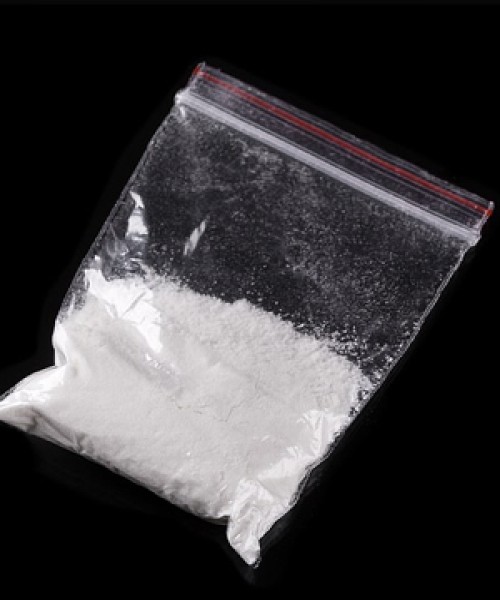


MEAI (5-Methoxy-2-Aminoindane): Psychoactive Drug Pharmacology, Effects and Novel Psychoactive Substances
What Is MEAI?
MEAI, also known as 5-methoxy-2-aminoindane or 5-MeO-AI, is a psychoactive aminoindane derivative that has appeared in research involving novel psychoactive substances.
Researchers have investigated MEAI because its pharmacology differs from many conventional stimulants. In particular, laboratory studies suggest that its effects on serotonin, norepinephrine and dopamine transporters do not mirror the classic profile of amphetamine.
MEAI belongs to the broader aminoindane chemical family.
Other aminoindane compounds discussed in scientific literature include:
- 2-aminoindane (2-AI)
- MDAI
- MMAI
- 5-IAI
- MDMAI
Although these compounds share structural features, researchers should not treat them as pharmacologically interchangeable.
Small chemical substitutions can significantly change their effects on monoamine transporters and receptors.
For additional educational exploration of emerging psychoactive compounds, visit cannabinoidseller.com.
MEAI Quick Facts
| Feature | MEAI |
|---|---|
| Full name | 5-Methoxy-2-aminoindane |
| Alternative abbreviation | 5-MeO-AI |
| Chemical family | Aminoindane |
| Psychoactive | Yes |
| Novel psychoactive substance context | Yes |
| Primary research interest | Monoamine pharmacology and experimental therapeutic research |
| SERT activity | Demonstrated |
| NET activity | Weaker than SERT in transporter research |
| DAT activity | Considerably weaker than SERT in transporter research |
| Established prescription medicine | No |
| Human safety profile | Not adequately established |
Consequently, MEAI is best understood as an experimental psychoactive aminoindane rather than a conventional prescription drug.
Psychoactive Definition
What does psychoactive mean?
A psychoactive substance is a chemical that acts on the central nervous system and can alter one or more aspects of:
- perception
- mood
- consciousness
- cognition
- attention
- behavior
- arousal
In simple terms, a substance is psychoactive when it can change how the brain functions in a way that affects mental experience or behavior.
This definition covers an extremely broad range of compounds.
For example, caffeine is psychoactive. So are nicotine, alcohol, amphetamine, THC, LSD and many prescription medications.
However, these substances clearly do not share one mechanism of action.
Psychoactive Meaning in Pharmacology
The psychoactive meaning becomes more useful when paired with pharmacological classification.
Calling something psychoactive tells us that it affects brain function.
It does not tell us precisely how.
Scientists therefore divide psychoactive drugs according to properties such as:
- molecular target
- receptor activity
- transporter activity
- therapeutic purpose
- behavioral effects
- chemical structure
For instance, caffeine and LSD are both psychoactive compounds. Nevertheless, caffeine primarily antagonizes adenosine receptors, whereas LSD produces its defining psychedelic effects largely through serotonin-receptor signaling.
Therefore, “psychoactive” is an umbrella term rather than a precise mechanism.
Psychoactive Drugs Definition
Psychoactive drugs are substances that affect central nervous system function and can change cognition, mood, perception, consciousness or behavior.
Importantly, the term does not automatically mean “illegal drug.”
Many commonly used medicines are psychoactive.
Likewise, several everyday substances produce psychoactive effects.
Examples include caffeine and nicotine.
Consequently, legality and psychoactivity describe two different characteristics.
What Is a Psychoactive Effect?
A psychoactive effect is a change in mental or behavioral functioning caused by a chemical acting on the nervous system.
Depending on the substance, psychoactive effects can include:
- increased alertness
- sedation
- mood changes
- altered perception
- reduced anxiety
- euphoria
- changes in concentration
- hallucinations
- impaired coordination
- changes in motivation
Different psychoactive substances can even produce apparently opposite effects.
For example, amphetamine may increase alertness, whereas benzodiazepines generally produce sedation.
Both remain psychoactive.
Examples of Psychoactive Drugs
Common psychoactive drugs examples span several pharmacological categories.
Stimulants
Examples include:
- caffeine
- amphetamine
- methylphenidate
- cocaine
- nicotine
These compounds generally increase certain forms of central nervous system activity, although their molecular mechanisms differ.
CNS Depressants and Sedatives
Examples include:
- alcohol
- benzodiazepines
- barbiturates
- certain sleep medications
These compounds can reduce arousal, anxiety or other aspects of CNS activity.
Psychedelics
Examples include:
- LSD
- psilocin
- mescaline
- DMT
Classical psychedelics produce substantial changes in perception and cognition, primarily through serotonergic mechanisms.
Opioids
Examples include:
- morphine
- oxycodone
- fentanyl
- methadone
Opioids primarily act through opioid receptors and can produce analgesia, sedation and respiratory depression.
Cannabinoids
Examples include:
- THC
- pharmaceutical cannabinoid preparations
- numerous synthetic cannabinoid receptor agonists
These primarily involve cannabinoid-receptor systems, although individual compounds can differ considerably.
List of Psychoactive Drugs
A broad educational list of psychoactive drugs can therefore include:
caffeine, nicotine, alcohol, amphetamine, dextroamphetamine, methylphenidate, cocaine, diazepam, alprazolam, morphine, oxycodone, fentanyl, THC, LSD, psilocybin and DMT.
This list is not exhaustive.
Thousands of psychoactive compounds have been identified, synthesized or investigated.
Moreover, new psychoactive substances continue to appear.
Types of Psychoactive Drugs
One useful classification separates psychoactive substances into:
| Category | Examples | General characteristic |
|---|---|---|
| Stimulants | Amphetamine, caffeine | Increased arousal/activation |
| Sedatives/depressants | Benzodiazepines, alcohol | Reduced CNS arousal |
| Psychedelics | LSD, psilocin | Altered perception and cognition |
| Opioids | Morphine, fentanyl | Opioid-receptor activity |
| Cannabinoids | THC | Cannabinoid-receptor activity |
| Dissociatives | Ketamine, PCP | Dissociative/anesthetic effects |
| Entactogen-type compounds | MDMA | Prominent monoaminergic/emotional effects |
| Novel psychoactive substances | Many emerging compounds | Diverse and changing pharmacology |
These categories sometimes overlap.
Therefore, scientists often combine behavioral classification with receptor and transporter data.
Psychoactive Drugs Categories Are Not Perfect
A drug does not always fit neatly into one category.
MDMA provides a good example.
Researchers may describe it using terms such as:
- entactogen
- empathogen
- stimulant
- monoamine releaser
Ketamine also illustrates the problem. It is an anesthetic and dissociative drug with psychoactive properties and established medical uses.
Consequently, pharmacological categories provide useful frameworks, but they should not replace detailed drug-specific information.
What Are Novel Psychoactive Substances?
Novel psychoactive substances, commonly abbreviated NPS, are psychoactive compounds that have emerged outside many traditional drug-control and monitoring frameworks or have appeared in new patterns of misuse.
“Novel” does not necessarily mean the molecule was invented recently.
Some substances existed in scientific literature for years before appearing in recreational markets.
The category has included compounds from very different families, such as:
- synthetic cathinones
- synthetic cannabinoids
- novel benzodiazepines
- synthetic opioids
- phenethylamines
- tryptamines
- dissociatives
- aminoindanes
Therefore, NPS is not a single pharmacological class.
Novel Psychoactive Substances Definition
A useful novel psychoactive substances definition is:
Emerging psychoactive compounds that may pose public-health risks and are often encountered outside established medical or traditional controlled-drug markets.
The precise regulatory definition varies between organizations and jurisdictions.
That qualification matters because the legal status of an NPS can change rapidly.
New Psychoactive Substances and Research Chemicals
The phrases new psychoactive substances and research chemicals sometimes overlap in online discussions.
However, they do not mean exactly the same thing.
“Research chemical” can legitimately describe a chemical used for scientific investigation.
Meanwhile, NPS describes a broader public-health and drug-monitoring phenomenon.
Neither term establishes that a product is:
- pharmaceutical grade
- clinically tested
- safe for humans
- accurately labeled
- approved as medicine
Marketing terminology should therefore never substitute for pharmacological evidence.
MEAI as an Aminoindane
MEAI belongs to the aminoindane family.
The parent compound, 2-aminoindane, can be viewed structurally as a conformationally restricted analogue related to amphetamine.
However, ring substitution changes aminoindane pharmacology substantially.
Researchers examining 2-AI and several substituted derivatives found that adding ring substitutions generally increased serotonergic activity while reducing dopamine and norepinephrine transporter potency.
MEAI provides a clear example.
How Does MEAI Work?
A 2019 transporter study investigated MEAI alongside:
- 2-AI
- MMAI
- MDAI
Researchers examined their effects on:
DAT — dopamine transporter
NET — norepinephrine transporter
SERT — serotonin transporter
The results showed that the parent 2-AI primarily acted as a substrate for NET and DAT.
However, MEAI behaved differently.
Researchers found that MEAI showed some selectivity for SERT, with weaker activity at NET and substantially weaker potency at DAT.
That pattern distinguishes it from conventional amphetamine-like stimulants.
MEAI and Serotonin
Serotonin contributes to numerous physiological and psychological processes, including:
- mood
- sleep
- appetite
- emotional processing
- cognition
- gastrointestinal function
SERT normally helps regulate extracellular serotonin by transporting serotonin back into neurons.
A psychoactive compound that interacts with SERT can therefore alter serotonergic signaling.
However, SERT activity alone cannot predict a person’s complete subjective response.
Receptor interactions, metabolism and other biological factors also contribute.
MEAI and Dopamine
Dopamine plays major roles in:
- motivation
- reward
- movement
- attention
- reinforcement
Many strongly reinforcing psychostimulants have substantial effects on dopamine transmission.
Notably, transporter research found MEAI considerably less potent at DAT than at SERT.
Researchers reported roughly a twenty-fold difference between its SERT and DAT potency in the experimental system.
This profile helps distinguish MEAI from strongly dopaminergic stimulants.
MEAI and Norepinephrine
Norepinephrine contributes to:
- wakefulness
- attention
- cardiovascular regulation
- stress responses
- sympathetic nervous system activity
MEAI also interacted with NET in laboratory experiments.
However, the same research found its NET potency lower than its SERT potency.
Therefore, describing MEAI simply as an amphetamine-like catecholamine stimulant would overlook an important part of its pharmacology.
MEAI and 5-HT2B
Other preclinical work investigated MEAI across numerous neurochemical targets.
Researchers observed weak-to-moderate interaction with the 5-HT2B receptor, while many other tested targets showed little or no activity in that particular experimental panel.
This finding requires careful interpretation.
In-vitro receptor assays cannot independently establish the complete clinical effect or long-term safety of a compound.
MEAI Pharmacokinetics
Researchers have also studied MEAI pharmacokinetics in rats.
They identified metabolites including:
- N-acetyl-MEAI
- 5-hydroxy-N-acetyl-aminoindane
The experiments demonstrated relatively rapid brain exposure and complex pharmacokinetic behavior at different experimental exposures.
However, these were animal experiments.
Therefore, numerical pharmacokinetic findings from rats should not be converted directly into human dosing assumptions.
Human pharmacokinetic information remains much more limited.
MEAI and Alcohol-Related Research
MEAI gained scientific attention partly because early reports described alcohol-like subjective properties and reduced desire for alcohol.
Researchers subsequently investigated whether it might have potential as a binge-mitigating agent.
Preclinical studies examined:
- acute toxicity
- subacute toxicity
- metabolism
- pharmacokinetics
- interactions with ethanol
- neurochemical targets
This work represents exploratory drug-development research.
It does not establish MEAI as an approved treatment for alcohol-use disorder or as a proven safe substitute for alcohol.
What Are Psychomotor Stimulants?
Psychomotor stimulants are drugs that increase behavioral activity, alertness or motor activity through CNS mechanisms.
Common examples include:
- amphetamine
- methamphetamine
- methylphenidate
- cocaine
The term emphasizes both psychological and motor activation.
These substances frequently influence dopamine and norepinephrine pathways.
However, not every psychoactive compound is a psychomotor stimulant.
Psychomotor Stimulant Drugs
Traditional psychomotor stimulant drugs often enhance catecholaminergic signaling.
Amphetamine, for example, acts through monoamine transporters and intracellular mechanisms to increase dopamine and norepinephrine signaling.
Methylphenidate primarily blocks dopamine and norepinephrine reuptake.
Cocaine inhibits multiple monoamine transporters.
Despite producing overlapping behavioral stimulation, these compounds do not have identical mechanisms.
How Do Psychostimulants Work?
There is no universal psychostimulant mechanism.
Instead, different compounds increase CNS activation through different molecular pathways.
Amphetamine
Amphetamine interacts with DAT and NET, enters monoaminergic neurons and alters intracellular monoamine handling. Consequently, extracellular dopamine and norepinephrine increase.
Methylphenidate
Methylphenidate primarily inhibits DAT and NET. As a result, dopamine and norepinephrine remain available longer in the extracellular space.
Cocaine
Cocaine inhibits DAT, NET and SERT, although its clinical and toxicological profile differs substantially from prescription stimulants.
Caffeine
Caffeine uses a completely different mechanism. It primarily blocks adenosine receptors.
Thus, “psychostimulant” describes an overall behavioral effect rather than one molecular mechanism.
Is MEAI a Conventional Psychostimulant?
Not in the same sense as amphetamine or methylphenidate.
MEAI can produce psychoactive effects and interacts with monoamine transporters. Nevertheless, experimental research demonstrates a more serotonergic transporter profile than conventional catecholaminergic stimulants.
Consequently, calling MEAI simply “another amphetamine” would be inaccurate.
It is more appropriately described as a psychoactive substituted aminoindane with serotonergic monoamine-transporter activity.
Legal Psychoactive Substances
The phrase legal psychoactive substances can be misleading.
Examples of psychoactive substances legally available to adults under particular circumstances may include:
- caffeine
- nicotine
- alcohol
- prescribed psychoactive medications
Yet legal status varies by:
- country
- state or territory
- age
- medical authorization
- formulation
- concentration
- intended use
More importantly, legal does not mean safe.
Alcohol and nicotine demonstrate this clearly.
Both are psychoactive and legally available to many adults, yet both can produce serious health consequences.
“Legal Psychostimulants”
Caffeine is the most familiar widely available legal psychostimulant.
Prescription stimulants can also be legally used when prescribed and possessed according to applicable law.
Examples include medications containing:
- amphetamine
- dextroamphetamine
- lisdexamfetamine
- methylphenidate
- dexmethylphenidate
However, controlled prescription stimulants should not be grouped with unrestricted consumer products simply because both can be legally possessed under some circumstances.
Their legal frameworks are different.
MEAI and the Problem With “Legal High” Terminology
The historical phrase legal high has often been applied to new psychoactive substances.
It is scientifically weak terminology.
A compound may be uncontrolled temporarily because legislation has not yet caught up with its appearance.
Later, authorities may specifically control it or regulate an entire chemical family.
Furthermore, different countries may classify the same molecule differently.
Therefore, the absence of a familiar controlled-drug name does not establish legality.
Psychoactive Compounds and Legal Status
Legal classification also changes independently of pharmacology.
Two chemically similar compounds can have different legal statuses.
Meanwhile, two unrelated compounds may fall under the same controlled-substance schedule.
For that reason, people should verify current rules through the appropriate government authority rather than relying on vendor descriptions, old forum posts or the phrase “research chemical.”
Psychoactive Does Not Mean Addictive
Another important distinction concerns dependence.
Not every psychoactive compound has the same addiction potential.
Addiction risk depends partly on:
- reinforcement
- dopamine signaling
- pharmacokinetics
- route of exposure
- frequency of use
- individual vulnerability
Caffeine, nicotine, opioids and psychedelics all qualify as psychoactive, yet their dependence profiles differ dramatically.
Therefore, the word psychoactive alone cannot tell us how addictive a compound may be.
MEAI Safety and Research Limitations
Most detailed safety evidence for MEAI remains preclinical.
Researchers have conducted animal toxicology and laboratory experiments, but these studies cannot establish comprehensive human safety.
Important uncertainties include:
- long-term human effects
- chronic toxicity
- dependence potential
- interactions with medications
- cardiovascular effects in vulnerable people
- effects during pregnancy
- psychiatric risks
- consequences of repeated exposure
Researchers themselves have emphasized the need for further investigation.
Accordingly, favorable findings in limited animal studies should not be rewritten as “MEAI is safe.”
Unknown Psychoactive Products
Another concern involves chemical identity.
An unknown powder, tablet, capsule or liquid cannot reliably be identified as MEAI through appearance.
Products circulating outside regulated pharmaceutical systems may contain:
- another aminoindane
- synthetic cathinones
- stimulants
- mixtures
- contaminants
- inactive ingredients
Analytical testing is necessary for reliable identification.
Historical experience with other aminoindanes demonstrates why this matters: studies of internet-sourced products have found that labels do not necessarily correspond to chemical contents.
Psychoactive Drugs and Emergency Warning Signs
Different psychoactive substances produce different emergencies.
Nevertheless, urgent medical attention is warranted when an unknown drug exposure produces severe symptoms such as:
- seizures
- chest pain
- extreme agitation
- severe confusion
- dangerous overheating
- breathing difficulties
- collapse
- inability to wake
Treatment depends on the actual substance and symptoms.
Therefore, broad labels such as “psychoactive drug” are not sufficient for clinical management.
Frequently Asked Questions
1. What is MEAI?
MEAI is 5-methoxy-2-aminoindane, also called 5-MeO-AI. It is a psychoactive substituted aminoindane investigated in preclinical pharmacological and toxicological research.
2. What does psychoactive mean?
Psychoactive describes a substance that acts on the central nervous system and can alter mood, perception, cognition, consciousness, attention or behavior.
3. What are examples of psychoactive drugs?
Examples include caffeine, nicotine, alcohol, amphetamine, benzodiazepines, opioids, THC, LSD and psilocybin. These compounds belong to very different pharmacological classes.
4. What are novel psychoactive substances?
Novel psychoactive substances are emerging psychoactive compounds encountered in changing drug markets and public-health surveillance. NPS can include synthetic cathinones, cannabinoids, opioids, benzodiazepines, psychedelics, dissociatives and aminoindanes.
5. Is MEAI a psychostimulant?
MEAI has psychoactive monoaminergic properties, but its transporter profile differs from conventional psychostimulants such as amphetamine. Research found relatively greater serotonergic activity and considerably weaker dopamine-transporter activity.
6. Are legal psychoactive substances safe?
Not necessarily. Legal status does not establish safety. Caffeine, nicotine, alcohol and prescription medications demonstrate that legally available psychoactive substances can still produce adverse effects when misused or used in unsuitable circumstances.
Educational Resources
For additional educational exploration of psychoactive substances, aminoindanes and research chemicals, visit cannabinoidseller.com.
1. PubMed — MEAI Pharmacokinetics and Pharmacodynamics
This preclinical study investigated MEAI metabolism, pharmacokinetics and neurochemical activity and identified MEAI as a novel psychoactive aminoindane derivative.
PubMed — MEAI Pharmacokinetic and Pharmacodynamic Evaluation
2. PubMed — MEAI and Monoamine Transporters
This study compared 2-aminoindane, MEAI, MMAI and MDAI at dopamine, norepinephrine and serotonin transporters. MEAI demonstrated a relatively serotonergic transporter profile.
PubMed — Aminoindanes and Monoamine Transporters
3. PubMed — Synthetic Aminoindanes Review
This review summarizes the chemistry, pharmacology, behavioral effects, pharmacokinetics and toxicological concerns surrounding synthetic aminoindanes.
PubMed — Synthetic Aminoindanes
For further educational research into emerging psychoactive compounds, visit cannabinoidseller.com and the educational resources available through cannabinoidseller.com.
| Quantity | 10grams, 50grams, 100grams, 500grams, 1kg, 5kg, 10kg |
|---|
Be the first to review “MEAI”
Related products
sedative
cathinones
Psychedelic

Stimulants
cathinones
Psychedelic

Psychedelic

Reviews
There are no reviews yet.