
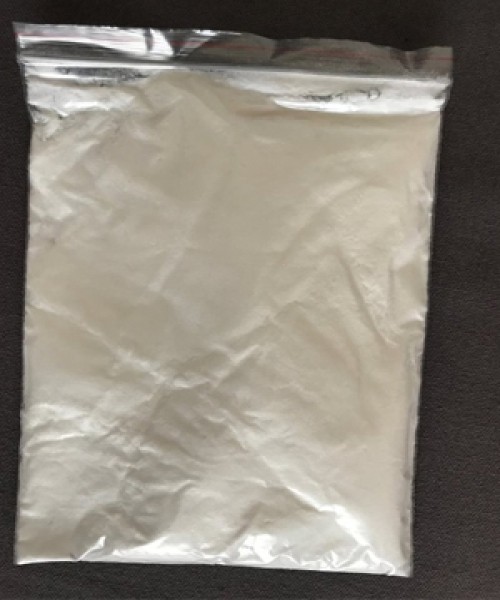

4-ANPP: Fentanyl Precursor, Medical Fentanyl, Overdose Signs and Safety
What Is 4-ANPP?
4-ANPP, short for 4-anilino-N-phenethylpiperidine, is an important chemical associated with fentanyl. It can function as an immediate precursor in fentanyl manufacture and also appears as a minor metabolite in people exposed to fentanyl.
In the United States, DEA placed ANPP in Schedule II as an immediate precursor to fentanyl. The agency took this step because ANPP can serve as an immediate chemical intermediate in fentanyl production.
Modern forensic toxicology also uses 4-ANPP as a useful analytical marker. A large 2026 study compared more than 32,000 forensic fentanyl-positive cases with over 1,000 clinical cases and found that reportable 4-ANPP concentrations appeared much more frequently in forensic specimens. Researchers concluded that higher 4-ANPP concentrations can support interpretation of possible non-pharmaceutical fentanyl exposure, although the overlap between groups prevents 4-ANPP from serving as a perfect standalone source marker.
This distinction matters because 4-ANPP is not simply another name for fentanyl.
For broader educational exploration of emerging compounds, readers can visit cannabinoidseller.com.
4-ANPP and Fentanyl Chemistry
Fentanyl is a powerful synthetic opioid belonging to the phenylpiperidine family.
4-ANPP sits within the chemistry surrounding fentanyl but does not share fentanyl’s full pharmacological profile.
The relationship is important to:
- forensic toxicology
- precursor regulation
- chemical attribution
- illicit-drug surveillance
- fentanyl metabolism research
Researchers have also examined impurities associated with different clandestine fentanyl production patterns. Changes in precursor chemistry can leave characteristic chemical signatures in seized material, helping forensic laboratories track shifts in illicit fentanyl supply chains.
Why 4-ANPP Matters to Forensic Scientists
Forensic scientists often need to answer more complicated questions than simply, “Is fentanyl present?”
They may also want to determine:
- whether the fentanyl exposure appears pharmaceutical or non-pharmaceutical
- which metabolites are present
- whether precursor impurities appear in seized material
- how fentanyl may have been produced
- whether the drug supply has changed
4-ANPP can contribute to this interpretation.
A 2026 study found reportable 4-ANPP in 91% of forensic fentanyl cases compared with 44% of clinical fentanyl cases in the dataset studied. The researchers cautioned that concentration ratios overlapped, so the marker cannot definitively determine source by itself.
This is a good example of how toxicology relies on patterns rather than one isolated laboratory number.
Is 4-ANPP the Same as Fentanyl?
No.
Fentanyl acts as a highly potent mu-opioid receptor agonist.
4-ANPP is better understood as a precursor and minor fentanyl metabolite.
| Feature | 4-ANPP | Fentanyl |
|---|---|---|
| Primary context | Precursor/metabolite | Potent opioid |
| U.S. federal status | Schedule II immediate precursor | Schedule II controlled opioid |
| Major clinical analgesic role | No | Yes |
| Forensic relevance | Source/precursor/metabolic marker | Major opioid analyte |
| Strong fentanyl-like opioid activity | Not comparable | Yes |
Researchers have even studied related impurities such as phenethyl-4-ANPP, finding that some have negligible opioid activity compared with fentanyl despite structural similarity.
What Is Medical Fentanyl?
Medical fentanyl is a legitimate prescription opioid used in carefully controlled healthcare settings.
Fentanyl has established medical roles in:
- anesthesia
- severe pain management
- selected cancer-related pain settings
- procedural and perioperative care
A 2026 medicinal-chemistry review describes fentanyl as a very strong synthetic opioid used in anesthesia and severe pain management.
Medical fentanyl should not be confused with illicitly manufactured fentanyl circulating in unregulated drug markets.
Pharmaceutical fentanyl comes in standardized formulations and has defined prescribing information.
Illicit fentanyl may have unpredictable concentration or contain other substances.
Fentanyl Medical Use
The keyword fentanyl medical use covers several specialized clinical applications.
Healthcare professionals may use fentanyl because it:
- produces strong analgesia
- can act rapidly depending on formulation
- can be useful in anesthesia
- can help manage severe pain in appropriate patients
However, fentanyl also carries serious risks.
FDA-approved fentanyl products include detailed warnings because respiratory depression can be fatal.
Some transmucosal immediate-release fentanyl products have historically been used only for breakthrough cancer pain in opioid-tolerant adults under specialized risk-management requirements. FDA reported that manufacturers discontinued production of TIRF products in 2024, although remaining approved products and supply could still be managed under the existing REMS while available.
Fentanyl for Pain Relief
Fentanyl for pain relief belongs within medical supervision.
It is not a general-purpose first-line painkiller for routine minor pain.
Certain fentanyl formulations require patients to already have significant opioid tolerance because the medication can cause life-threatening respiratory depression in opioid-naive individuals.
The 2025 Fentora labeling, for example, states that the product is indicated for breakthrough cancer pain in adults already receiving and tolerant to around-the-clock opioid therapy.
This illustrates why formulation and patient history matter.
Fentanyl Injection
Fentanyl injection has legitimate medical uses, particularly in hospital, anesthesia and procedural settings.
Injected fentanyl can act rapidly because intravenous administration delivers the drug directly into systemic circulation.
However, an IV pharmaceutical formulation should only be administered by appropriately trained healthcare professionals under clinical conditions.
The existence of injectable fentanyl in medicine does not make nonmedical injection safe.
Route of administration can strongly influence onset, intensity and overdose risk.
How Long Does Fentanyl Take to Kick In?
The answer to how long does fentanyl take to kick in depends heavily on the formulation and route.
Intravenous fentanyl can produce effects very rapidly because it enters circulation immediately.
Transdermal products act much more slowly because fentanyl must move through the skin before reaching systemic circulation.
Transmucosal products have another absorption profile.
This is why there is no single universal onset time for “fentanyl.”
Medical professionals select the formulation according to the clinical situation rather than treating every fentanyl product as interchangeable.
How Long Does Fentanyl Last IV?
The phrase how long does fentanyl last IV also requires nuance.
Intravenous fentanyl acts quickly, but the duration of noticeable analgesia or sedation differs from the drug’s total elimination time.
Effects depend on:
- dose
- repeated administration
- age
- liver function
- other medications
- duration of procedure
- opioid tolerance
Redistribution from the brain into other tissues can cause the most noticeable effects to diminish before the body has fully eliminated fentanyl.
Therefore, “how long it feels active” and “how long it remains in the body” are not identical questions.
Fentanyl Forms
Fentanyl forms have historically included several pharmaceutical preparations, such as:
- injectable formulations
- transdermal patches
- buccal tablets
- oral transmucosal lozenges
- nasal products
- sublingual products
Availability changes over time.
For example, FDA reported in 2024 that manufacturers planned to discontinue production of all transmucosal immediate-release fentanyl medicines.
Different formulations cannot safely be substituted on a microgram-for-microgram basis without appropriate clinical guidance.
Brand Names for Fentanyl
Brand names for fentanyl have included products such as:
- Duragesic
- Fentora
- Actiq
- Subsys
- Lazanda
Market availability changes, and some products have been discontinued.
Generic fentanyl formulations also exist.
Patients should therefore rely on current pharmacy labeling and medical guidance rather than older online lists when identifying a prescribed product.
Another Name for Fentanyl
There is no chemically different substance that becomes fentanyl simply through another casual name.
“Fentanyl citrate” refers to a pharmaceutical salt form used in some products.
Brand names can vary by formulation.
Street terminology may also change, but slang cannot reliably establish chemical identity.
An unregulated powder sold under fentanyl-related slang may contain fentanyl, another synthetic opioid, multiple substances, or no fentanyl at all.
What Are the Effects of Fentanyl?
The effects of fentanyl primarily result from mu-opioid receptor activation.
Possible effects include:
- analgesia
- sedation
- euphoria
- drowsiness
- reduced gastrointestinal motility
- nausea
- constricted pupils
- respiratory depression
The same pharmacology that makes fentanyl useful for severe pain also creates its greatest acute danger.
Excessive mu-opioid receptor activation can suppress the brain’s drive to breathe.
Fentanyl Side Effects
Possible fentanyl side effects include:
- nausea
- vomiting
- constipation
- dizziness
- sedation
- confusion
- itching
- low blood pressure in some settings
More serious adverse effects can include:
- profound sedation
- respiratory depression
- loss of consciousness
- overdose
Risk increases when fentanyl occurs with other central nervous system depressants such as benzodiazepines or alcohol.
What Does Fentanyl Make You Feel Like?
The phrase what does fentanyl make you feel like varies dramatically between people and contexts.
Medical patients may experience pain relief and sedation.
Nonmedical exposure may produce drowsiness, euphoria, slowed thinking, impaired coordination or unconsciousness.
Subjective experience cannot predict safety.
A person can experience little warning before respiratory depression becomes severe, particularly when fentanyl concentration is unknown.
Does Fentanyl Make You Hallucinate?
Hallucinations are not the defining pharmacological effect of fentanyl.
However, altered mental status, confusion and unusual perceptual experiences can occur in some clinical or intoxication situations.
Other substances, severe hypoxia, delirium or medical illness may also contribute.
Therefore, hallucination should not be used as a reliable way to identify fentanyl exposure.
Symptoms of Fentanyl Use
Possible symptoms of fentanyl use or intoxication can include:
- pronounced drowsiness
- slowed responses
- small pupils
- impaired coordination
- nausea
- slowed breathing
Severe intoxication can progress to respiratory failure.
These signs are not specific enough to distinguish fentanyl from another opioid without laboratory testing.
Fentanyl Use Symptoms vs. Overdose
Mild opioid effects and life-threatening overdose lie on a spectrum.
A person who seems sleepy but can respond normally differs from someone who:
- cannot be awakened
- breathes very slowly
- stops breathing
- develops blue or gray lips
- makes abnormal gurgling noises
The second pattern requires immediate emergency response.
Fentanyl Overdose Symptoms
Key fentanyl overdose symptoms include:
- inability to wake
- extremely slow or absent breathing
- very small pupils
- limpness
- pale, gray or bluish skin or lips
- unusual choking, snoring or gurgling in an unresponsive person
Fentanyl can produce respiratory depression rapidly.
Someone displaying these signs requires emergency medical assistance immediately.
What Does a Fentanyl Overdose Look Like?
People asking what does a fentanyl overdose look like should focus less on the exact drug and more on breathing and responsiveness.
If someone cannot be awakened and is not breathing normally after possible opioid exposure, treat the situation as an opioid overdose emergency.
Do not wait for all symptoms to appear.
Do not attempt to determine whether the substance was fentanyl, heroin or another opioid before seeking help.
Fentanyl Overdose Treatment
Fentanyl overdose treatment centers on restoring breathing and reversing opioid receptor activity.
Naloxone is the best-known opioid antagonist used in community overdose response.
During suspected overdose:
- Call emergency medical services.
- Administer an available naloxone product according to its directions.
- Follow emergency-dispatch instructions for rescue breathing or CPR.
- Repeat naloxone according to product instructions if the person does not respond or symptoms return.
- Stay with the person until professional help arrives.
Naloxone can save lives, but it does not replace emergency medical care.
Does Fentanyl Kill You?
Does fentanyl kill you? Fentanyl can be fatal when exposure causes severe respiratory depression.
That does not mean every medically supervised fentanyl administration is fatal.
Clinical fentanyl has legitimate uses precisely because healthcare professionals control formulation, indication, dose and monitoring.
The greatest risks arise when exposure is excessive, combined with other depressants, or comes from an unregulated source with unknown concentration.
How Fast Does Fentanyl Kill You?
There is no universal countdown for how fast fentanyl can kill you.
Outcome depends on:
- amount absorbed
- formulation
- route
- opioid tolerance
- other drugs
- medical conditions
- speed of emergency response
Severe opioid toxicity can become life-threatening quickly, particularly when breathing is suppressed.
Because timing cannot be predicted reliably, any suspected overdose should trigger immediate emergency action.
Lethal Dosage of Fentanyl: Why There Is No Universal Number
The searches lethal dosage of fentanyl and how much is a lethal dose of fentanyl can be misleading because no single amount reliably predicts death for every person.
Risk varies substantially according to:
- opioid tolerance
- route of exposure
- formulation
- other drugs
- age
- health conditions
- individual pharmacokinetics
A quantity tolerated in one clinical circumstance could be fatal in another person.
For that reason, a universal “lethal dose” figure would provide false precision and could be unsafe.
High on Fentanyl
The phrase high on fentanyl refers to nonmedical intoxication.
Possible effects may include euphoria, drowsiness, slowed thinking and impaired awareness.
However, the margin between desired subjective effects and dangerous respiratory depression can be extremely unpredictable with illicit fentanyl.
This becomes especially concerning when concentration is unknown or other substances are present.
What Does “Fent Bag” Mean?
The phrase fent bag is informal street terminology rather than a scientific or medical classification.
A package described this way cannot tell someone:
- whether fentanyl is actually present
- how concentrated it is
- whether another opioid is present
- whether non-opioid substances are mixed in
Street names and packaging cannot substitute for laboratory analysis.
Fentanyl User and Fentanyl People: Why Language Matters
Terms such as fentanyl user or fentanyl people can oversimplify very different situations.
A person may receive fentanyl during surgery.
Another may use a prescribed fentanyl formulation for severe pain.
While another may unknowingly encounter illicit fentanyl in an unregulated product.
Another may live with opioid use disorder.
Public-health education works better when it describes the actual situation rather than reducing people to a drug-related label.
Fentanyl Original Use
The original medical development of fentanyl centered on creating a potent synthetic opioid analgesic useful in anesthesia and severe pain.
Fentanyl was developed in the late 1950s and entered medical practice in the following decade.
Its rapid onset and high potency made it useful in anesthesiology.
Later pharmaceutical formulations expanded its role into selected pain-management settings.
Its legitimate medical history should not be confused with the modern illicit fentanyl crisis.
Medical Fentanyl vs. Illicit Fentanyl
This distinction is essential.
Medical fentanyl comes from regulated pharmaceutical manufacturing.
Illicitly manufactured fentanyl comes from unregulated production and distribution.
Pharmaceutical products provide standardized formulation and labeling.
Illicit material can vary dramatically in concentration and may contain additional substances.
4-ANPP and other impurities can help forensic scientists investigate these differences. A large 2026 study found elevated 4-ANPP concentrations more commonly in forensic than clinical fentanyl cases.
Why 4-ANPP Matters in the Current Fentanyl Crisis
4-ANPP illustrates how chemistry can support public-health surveillance.
It can act as:
- a controlled fentanyl precursor
- a minor fentanyl metabolite
- a forensic marker
- part of chemical-source attribution
Researchers also analyze related impurities to detect changes in clandestine fentanyl production methods.
This work does not require the public to understand fentanyl synthesis procedures.
The important educational lesson is that tiny chemical traces can reveal information about how an illicit drug supply is changing.
For additional educational exploration of emerging compounds, readers can visit cannabinoidseller.com.
Frequently Asked Questions
1. What is 4-ANPP?
4-ANPP is 4-anilino-N-phenethylpiperidine. It is an immediate precursor used in fentanyl chemistry and also occurs as a minor fentanyl metabolite. DEA controls ANPP as a Schedule II immediate precursor.
2. Is 4-ANPP the same as fentanyl?
No. 4-ANPP is chemically related to fentanyl but is not fentanyl itself. It has important roles in precursor regulation and forensic toxicology.
3. What are the main signs of fentanyl overdose?
Warning signs include inability to wake, extremely slow or absent breathing, very small pupils, limpness and pale, gray or bluish skin or lips. Suspected overdose requires immediate emergency medical assistance.
4. How is fentanyl overdose treated?
Emergency response includes contacting medical services, supporting breathing and administering an available approved naloxone product according to its instructions.
5. Is there one lethal dose of fentanyl?
No universal amount predicts death for everyone. Risk depends on tolerance, route, formulation, other substances and individual health factors.
6. What is medical fentanyl used for?
Medical fentanyl has established roles in anesthesia and severe pain management. Certain specialized formulations have also been used for breakthrough cancer pain in opioid-tolerant patients.
Educational Resources
For broader educational exploration of emerging compounds, visit cannabinoidseller.com.
Authoritative scientific and medical resources include PubMed – 4-ANPP and illicit fentanyl toxicology, FDA – Transmucosal Immediate-Release Fentanyl Medicines, and PubMed – Fentanyl medicinal chemistry and therapeutic use.
Additional educational exploration is available through cannabinoidseller.com and cannabinoidseller.com.
| Quantity | 10grams, 50grams, 100grams, 500grams, 1kg, 5kg, 10kg |
|---|
Be the first to review “4-ANPP”
Related products
New
New
New

New


Reviews
There are no reviews yet.