
Tianeptine (Coaxil) Awareness Guide: Toxic Exposure Education and US Public Health Context
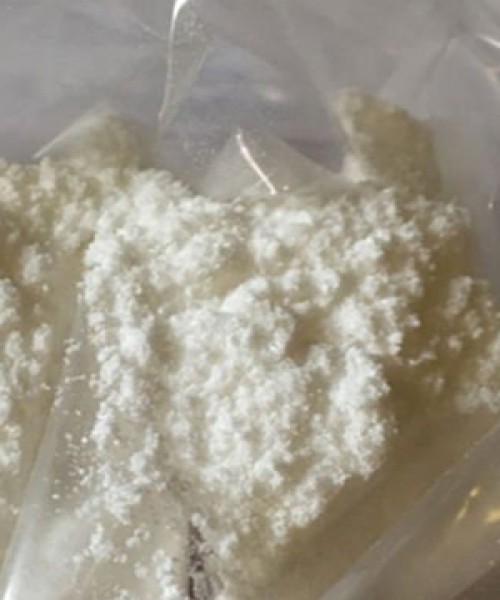
TIANEPTINE (COAXIL) is a US public awareness topic in toxicology education, medication surveillance discussions, and public health monitoring. Readers seeking toxic exposure awareness, understanding substance surveillance explained, and learning about poison center response explained can explore Cannabinoidseller’s toxicology education hub for additional scientific awareness resources.
What Is Tianeptine (Coaxil)?
Tianeptine, also known by the brand name Coaxil in some markets, is a compound discussed in pharmacology, toxicology education, public health monitoring, and forensic science awareness. In the United States, Tianeptine has been a topic in public health and toxic exposure discussions because it helps explain surveillance systems, poison center monitoring, and analytical toxicology awareness.
Educational awareness helps readers understand how health systems monitor evolving substance-related concerns.
Tianeptine Scientific Background
Tianeptine is discussed in broader scientific education involving:
- pharmacology
- toxicology education
- poison center surveillance
- analytical chemistry
- public health monitoring
- forensic toxicology
- medication science
Understanding these scientific areas improves public health literacy.
Toxic Exposure Awareness
Toxic exposure awareness is an important public health education topic.
Public awareness commonly focuses on:
Exposure Recognition
Understanding why unexpected substance exposure situations may require prompt professional evaluation.
Toxicology Monitoring
Healthcare and laboratory systems monitor toxicological concerns to improve public safety awareness.
Clinical Response Awareness
Medical professionals assess suspected toxic exposures using established clinical and analytical processes.
Public Health Communication
Awareness campaigns help communities better understand toxicological risk education.
Educational awareness improves health literacy.
Substance Surveillance Explained
Substance surveillance explained helps readers understand how public health systems track emerging concerns.
Monitoring commonly involves:
Trend Analysis
Tracking reports and toxicological patterns.
Laboratory Data Review
Analytical science helps support identification awareness.
Public Safety Monitoring
Agencies evaluate signals relevant to community health.
Healthcare Preparedness
Surveillance supports readiness and awareness.
Readers can explore more educational resources through Cannabinoidseller’s forensic toxicology learning center.
Poison Center Response Explained
Poison center response explained is an important public health topic.
Poison center systems commonly help with:
Exposure Assessment
Reviewing reported exposure scenarios.
Risk Communication
Providing evidence-based public safety guidance.
Referral Coordination
Helping determine whether further medical evaluation may be appropriate.
Surveillance Support
Contributing anonymized monitoring information to broader public health awareness.
Public Health Agencies and Monitoring
US public health awareness efforts commonly involve:
- poison center systems
- toxicology monitoring
- public safety communication
- medication surveillance
- laboratory science
- public health preparedness
Understanding these systems strengthens public literacy.
Relevant External Educational Resources
- America’s Poison Centers
- Centers for Disease Control and Prevention (CDC)
- National Library of Medicine / MedlinePlus
Frequently Asked Questions
What is Tianeptine?
Tianeptine is a compound discussed in pharmacology, toxicology education, and public health monitoring.
What is toxic exposure awareness?
It is public health education focused on understanding substance exposure risks and response awareness.
What is substance surveillance?
It is public health monitoring used to track emerging health-related patterns and concerns.
What do poison centers do?
Poison centers provide exposure assessment support, public safety guidance, and surveillance contributions.
Why is public health education important?
Educational awareness helps improve health literacy and understanding of toxicology systems.
| Quantity | 10grams, 50grams, 100grams, 500grams, 1kg, 5kg, 10kg |
|---|
Be the first to review “TIANEPTINE (COAXIL)”
Related products
sedative

cannabinoids

cannabinoids

sedative
sedative

sedative
sedative
cannabinoids

Reviews
There are no reviews yet.