
Oxycodone-d3 (OXY): Analytical Reference Standard, Oxycodone Effects, Withdrawal and Overdose Safety
What Is Oxycodone-d3?
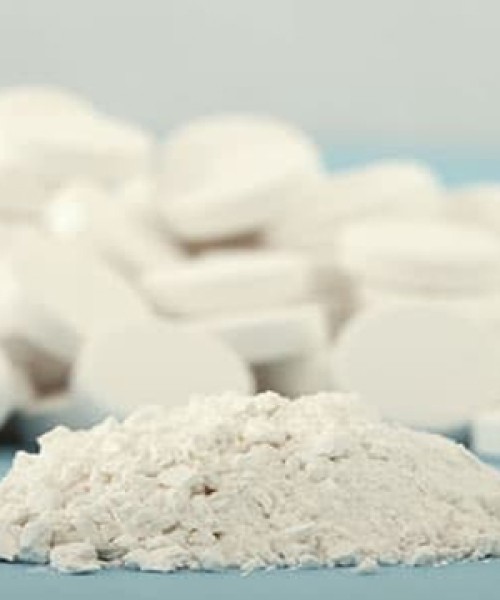
Oxycodone-d3 is a deuterium-labeled form of oxycodone primarily used as an analytical reference material or internal standard in laboratory testing. It should not be confused with ordinary prescription oxycodone intended for treating pain.
The “d3” designation means that three hydrogen atoms in the molecule have been replaced with the heavier hydrogen isotope deuterium. This modification allows analytical instruments such as liquid chromatography-mass spectrometry (LC-MS) or gas chromatography-mass spectrometry (GC-MS) to distinguish oxycodone-d3 from ordinary oxycodone while still behaving similarly enough to serve as an internal reference.
Commercial analytical documentation specifically describes oxycodone-d3 as an internal standard used to quantify oxycodone by GC-MS or LC-MS.
This distinction matters because terms such as oxycodone detox, oxycodone and Percocet, oxycodone brand name, can oxycodone get you high, and signs of oxycodone overdose describe ordinary pharmacologically active oxycodone rather than the intended laboratory purpose of oxycodone-d3.
Readers exploring broader educational information about psychoactive compounds can visit cannabinoidseller.com.
Why Laboratories Use Oxycodone-d3
Modern toxicology laboratories often need to measure extremely small drug concentrations accurately.
A laboratory may need to determine how much oxycodone appears in:
- blood
- urine
- research specimens
- forensic toxicology samples
- pharmaceutical testing materials
Simply measuring the raw analytical signal can produce inaccuracies because sample preparation, extraction efficiency and instrument conditions can vary.
A deuterated internal standard such as oxycodone-d3 helps researchers compensate for these variations.
The laboratory adds a known amount of the labeled compound and compares its signal with ordinary oxycodone.
This technique improves quantitative reliability.
Published analytical research has used oxycodone-d3 alongside other deuterated opioid standards for liquid chromatography-tandem mass spectrometry testing.
Oxycodone-d3 vs. Ordinary Oxycodone
The names look very similar, but their intended contexts differ.
| Feature | Oxycodone-d3 | Prescription oxycodone |
|---|---|---|
| Primary purpose | Analytical reference/internal standard | Prescription opioid analgesic |
| Deuterium labeled | Yes | No |
| Routine patient medication | No | Yes |
| Common laboratory use | LC-MS/GC-MS quantification | Detected as analyte |
| Main educational context | Analytical chemistry | Pain management and opioid safety |
The existence of oxycodone-d3 therefore does not create a new consumer form of oxycodone.
It represents a laboratory tool used to improve drug measurement.
What Is Oxycodone?
Oxycodone is a prescription opioid analgesic used to treat severe pain when an opioid is medically appropriate.
It acts primarily through mu-opioid receptors in the nervous system.
These receptors influence:
- pain perception
- reward
- sedation
- respiratory control
- gastrointestinal activity
- physical dependence
MedlinePlus describes oxycodone as an opiate analgesic that changes how the brain and nervous system respond to pain. It also warns that oxycodone can be habit forming and can produce serious or fatal respiratory depression.
Oxycodone Generic Name
People searching oxycodone generic name sometimes expect another chemical name.
Oxycodone itself is the generic drug name.
Brand-name products may contain oxycodone alone or in combination with another active ingredient.
Therefore:
Generic name: oxycodone
Drug class: opioid analgesic
Main receptor target: mu-opioid receptor
oxycodone products contain the same active pharmaceutical ingredient while meeting applicable regulatory standards.
Generic Oxycodone
Generic oxycodone comes in different formulations depending on the approved product.
These may include immediate-release or extended-release formulations.
The exact formulation matters because an extended-release tablet behaves differently from an immediate-release product.
MedlinePlus specifically warns that extended-release oxycodone tablets should not be crushed, chewed or dissolved because doing so can release too much oxycodone at once and cause overdose or death.
Patients should therefore follow the exact instructions supplied with their prescription.
Oxycodone Brand Name
Several oxycodone brand names have been used in the United States.
MedlinePlus currently lists examples including:
- OxyContin
- Roxicodone
- Roxybond
- Xtampza ER
Product availability can change over time, and some older brands have been discontinued.
The active ingredient and formulation matter more than simply recognizing a brand.
Oxycodone Trade Name and Other Names for Oxycodone
The search phrases oxycodone trade name, another name for oxycodone, and other names for oxycodone usually refer to brand names or combination products.
Oxycodone itself remains the generic active ingredient.
Some products contain oxycodone alone.
Others combine it with ingredients such as acetaminophen.
This distinction becomes especially important when discussing Percocet.
Oxycodone and Percocet
Oxycodone and Percocet are related but not identical.
Percocet traditionally refers to a combination containing:
oxycodone + acetaminophen
Oxycodone provides opioid analgesia.
Acetaminophen provides additional non-opioid pain relief.
Therefore, taking a Percocet-type combination introduces risks associated with both active ingredients.
Oxycodone can cause respiratory depression and dependence.
Excessive acetaminophen exposure can damage the liver.
MedlinePlus confirms that oxycodone combination products contain oxycodone together with at least one other medication and carry the same major opioid warnings.
What Can Oxycodone Do to You?
The phrase what can oxycodone do to you covers both therapeutic effects and adverse effects.
When medically prescribed, oxycodone can reduce severe pain.
It can also produce:
- drowsiness
- dizziness
- nausea
- constipation
- impaired concentration
- sedation
More serious effects include:
- profound sedation
- respiratory depression
- loss of consciousness
- overdose
Risk increases when oxycodone occurs with alcohol, benzodiazepines or other central nervous system depressants.
Can Oxycodone Get You High?
Yes, oxycodone can produce euphoria because it activates opioid reward pathways.
However, this psychoactive effect contributes to its misuse and addiction potential.
Using oxycodone to become intoxicated rather than according to a prescription can substantially increase the risk of:
- opioid use disorder
- respiratory depression
- overdose
- accidental injury
- dangerous drug interactions
The subjective feeling of a “high” also cannot tell someone whether their breathing is becoming dangerously suppressed.
This is why psychoactive effect should never be used as a measure of safety.
Oxycodone Dependence
Repeated oxycodone exposure can produce physical dependence.
Physical dependence means the nervous system adapts to continued opioid receptor activation.
Stopping suddenly can then produce withdrawal.
Dependence does not automatically equal addiction.
A patient taking oxycodone exactly as prescribed can develop physiological dependence without necessarily developing opioid use disorder.
However, dependence means treatment changes should generally occur under medical guidance.
Oxycodone Detox
The phrase oxycodone detox usually refers to stopping oxycodone after dependence develops.
For someone taking prescription oxycodone regularly, abruptly stopping can produce significant withdrawal symptoms.
MedlinePlus advises people taking oxycodone regularly not to stop suddenly or rapidly decrease their dose without speaking with their clinician. A healthcare professional may gradually reduce the medication instead.
For people with opioid use disorder, short-term detoxification alone may not provide adequate long-term treatment.
Evidence-based opioid use disorder treatment can include medications such as:
- buprenorphine
- methadone
- naltrexone
The appropriate approach depends on the individual’s circumstances.
Symptoms of Oxycodone Withdrawal
Possible symptoms of oxycodone withdrawal include:
- restlessness
- anxiety
- watery eyes
- runny nose
- yawning
- sweating
- chills
- muscle aches
- joint pain
- difficulty sleeping
- abdominal cramps
- nausea
- vomiting
- diarrhea
- reduced appetite
- increased heart rate
MedlinePlus lists these and related symptoms after abrupt discontinuation of regular oxycodone treatment.
Withdrawal can feel extremely unpleasant even when it is not usually the same kind of immediately life-threatening emergency as opioid overdose.
Early and Later Opioid Withdrawal Symptoms
General opioid withdrawal often develops in stages.
Earlier symptoms may include:
- agitation
- anxiety
- muscle aches
- tearing
- insomnia
- runny nose
- sweating
- yawning
Later symptoms can include:
- abdominal cramping
- diarrhea
- enlarged pupils
- goosebumps
- nausea
- vomiting
MedlinePlus notes that the biggest danger after detoxification can actually come after tolerance falls: returning to previous opioid exposure can produce overdose at an amount that was once tolerated.
Oxycodone Withdrawal vs. Opioid Use Disorder
Withdrawal alone does not diagnose opioid use disorder.
Physical dependence refers to physiological adaptation.
Withdrawal occurs when that adapted system loses opioid exposure.
Opioid use disorder involves a broader pattern of impaired control and continued use despite harmful consequences.
Possible OUD signs include:
- strong cravings
- unsuccessful attempts to reduce use
- prioritizing opioid use over responsibilities
- hazardous use
- continued use despite medical or social harm
Keeping these concepts separate improves both medical accuracy and public understanding.
For additional educational exploration of psychoactive substances, readers can visit cannabinoidseller.com.
Signs of Oxycodone Overdose
Recognizing the signs of oxycodone overdose can save a life.
MedlinePlus identifies possible overdose symptoms including:
- difficulty breathing
- slow or shallow breathing
- unusual snoring
- extreme sleepiness
- inability to respond or wake
- limp or weak muscles
- abnormal pupil size
- cold or clammy skin
- slowed heartbeat
FDA-approved labeling also describes respiratory depression, somnolence progressing to coma, muscle flaccidity, cold clammy skin and constricted pupils among possible signs.
An unresponsive person with abnormal breathing requires immediate emergency medical assistance.
What Does an Oxycodone Overdose Look Like?
A severe opioid overdose can appear as someone who seems to be sleeping but cannot be awakened.
Watch particularly for:
- extremely slow breathing
- irregular breathing
- stopped breathing
- unusual choking or snoring
- limpness
- severe unresponsiveness
- pale, gray or bluish lips or skin
Do not simply allow an unresponsive person to “sleep it off.”
Abnormal breathing after possible opioid exposure represents a medical emergency.
Oxycodone Overdose Treatment
FDA labeling identifies naloxone or nalmefene as opioid antagonists that can reverse respiratory depression caused by oxycodone overdose.
During a suspected opioid overdose:
- Contact emergency medical services immediately.
- Administer an available approved opioid-overdose reversal medicine according to its instructions.
- Follow dispatcher instructions concerning breathing support or CPR.
- Give repeat reversal medication according to the product directions if symptoms return.
- Stay with the person until professional help arrives.
A person who wakes after naloxone still needs emergency medical evaluation.
Oxycodone Overdose Amount: Why There Is No Universal Number
The phrase oxycodone overdose amount can create dangerous false precision.
There is no single amount of oxycodone that reliably defines overdose for every person.
Risk varies according to:
- opioid tolerance
- age
- formulation
- route of exposure
- body physiology
- liver or kidney function
- other medications
- alcohol use
- other CNS depressants
An amount tolerated by one person can produce life-threatening respiratory depression in another.
For this reason, overdose assessment should focus on symptoms and medical response, not on trying to calculate a universal dangerous threshold.
Why Extended-Release Oxycodone Requires Special Care
Extended-release products are designed to release oxycodone gradually.
Changing the formulation can destroy that controlled-release mechanism.
MedlinePlus explicitly warns not to crush, break, divide, chew or dissolve extended-release oxycodone tablets because too much medication may then be released at once.
This is one reason drug formulation belongs at the center of medication safety.
A tablet’s active ingredient alone does not tell the whole story.
Oxycodone and Other Depressants
Combining oxycodone with other CNS depressants can dramatically increase overdose risk.
Particularly concerning substances include:
- alcohol
- benzodiazepines
- sedative medications
- other opioids
The combined effects can increase:
- sedation
- impaired consciousness
- respiratory depression
- coma
MedlinePlus specifically warns that certain medicines, alcohol and street drugs can increase the risk of life-threatening breathing problems while taking oxycodone.
Oxycodone and Naloxone Access
People prescribed opioids may benefit from knowing how to recognize overdose and how opioid reversal products work.
Current MedlinePlus guidance advises patients and people around them to know the signs of overdose and how to use naloxone or nalmefene when appropriate.
This approach treats overdose preparedness similarly to other emergency planning.
Having a reversal medicine available does not mean an overdose is harmless.
It means there is an opportunity to intervene while emergency care is on the way.
Why Oxycodone-d3 Is Important in Toxicology
Returning to Oxycodone-d3, its primary value lies in measurement rather than pain treatment.
Accurately measuring oxycodone can help researchers and toxicologists investigate:
- therapeutic drug concentrations
- forensic cases
- medication adherence
- drug metabolism
- method validation
Deuterated standards allow laboratory instruments to differentiate the reference compound from the ordinary analyte because deuterium changes molecular mass.
This is a standard concept in analytical chemistry.
Why Deuterium Labeling Helps Mass Spectrometry
Normal hydrogen and deuterium behave similarly chemically but have different masses.
That difference allows mass spectrometers to recognize oxycodone and oxycodone-d3 as separate signals.
Because the two compounds behave similarly through extraction and chromatography, oxycodone-d3 can compensate for variability in laboratory procedures.
This makes it a powerful quantitative internal standard.
Its intended role is analytical—not recreational or therapeutic.
Oxycodone-d3 Should Not Be Treated as an Alternative Oxycodone Product
A laboratory reference material is not equivalent to a finished pharmaceutical medicine.
Prescription medications undergo standards related to:
- formulation
- dose consistency
- manufacturing
- packaging
- patient labeling
- clinical use
Analytical reference standards are manufactured for laboratory measurement.
This distinction is essential whenever consumers encounter chemical catalog terminology online.
“High purity,” “reference standard” or “analytical grade” does not mean a chemical has been manufactured or approved for human consumption.
Why Accurate Oxycodone Education Matters
Oxycodone illustrates how one chemical name can appear in several very different contexts.
Oxycodone-d3 is primarily an analytical reference standard.
Oxycodone is a prescription opioid analgesic.
Percocet is a combination product associated with oxycodone plus acetaminophen.
Repeated oxycodone exposure can cause physical dependence, while problematic compulsive use can develop into opioid use disorder.
Most importantly, excessive oxycodone can suppress breathing and cause fatal overdose.
For additional educational exploration of emerging substances and pharmacological terminology, readers can visit cannabinoidseller.com.
Frequently Asked Questions
1. What is Oxycodone-d3?
Oxycodone-d3 is a deuterium-labeled analytical reference material used as an internal standard for measuring ordinary oxycodone with techniques such as GC-MS or LC-MS. It is not a routine prescription medication.
2. What is the generic name for oxycodone?
Oxycodone itself is the generic drug name. Brand examples have included OxyContin, Roxicodone, Roxybond and Xtampza ER.
3. Is Percocet the same as oxycodone?
Not exactly. Percocet is associated with a combination of oxycodone and acetaminophen, whereas oxycodone-only products contain oxycodone without the acetaminophen component.
4. What are symptoms of oxycodone withdrawal?
Symptoms can include restlessness, anxiety, watery eyes, runny nose, sweating, muscle aches, insomnia, nausea, vomiting, abdominal cramps and diarrhea. People taking oxycodone regularly should not abruptly stop without medical guidance.
5. What are signs of an oxycodone overdose?
Danger signs include extreme sleepiness, inability to wake, slow or shallow breathing, unusual snoring, limpness and cold or clammy skin. Suspected overdose requires immediate emergency assistance.
6. How much oxycodone causes an overdose?
There is no universal overdose amount. Individual tolerance, formulation, health status and other substances can dramatically change risk. Symptoms such as unresponsiveness or abnormal breathing require emergency care regardless of the reported amount.
Educational Resources
For broader educational exploration of psychoactive substances, visit cannabinoidseller.com.
Authoritative information is available from MedlinePlus – Oxycodone Drug Information, DailyMed – Oxycodone Prescribing Information, and MedlinePlus – Opioid Withdrawal.
Additional educational exploration is available through cannabinoidseller.com and cannabinoidseller.com research resources.
| Quantity | 10grams, 50grams, 100grams, 500grams, 1kg, 5kg, 10kg |
|---|
Be the first to review “OXYCODONE -D3 (OXY)”
Related products

New

Opioids
New

New
New
New

Reviews
There are no reviews yet.