
Isotonitazene: Synthetic Opioid Pharmacology, Overdose Reversal and Addiction Safety
What Is Isotonitazene?
Isotonitazene, sometimes abbreviated ISO, is a synthetic opioid belonging to the 2-benzylbenzimidazole family commonly called nitazenes. It became a significant forensic and public-health concern after appearing in unregulated drug supplies and opioid-related deaths in North America and Europe.
Isotonitazene is not an ordinary prescription opioid medication. In the United States, it is federally controlled as a Schedule I substance, meaning it does not have a currently accepted medical use under federal scheduling criteria.
Pharmacologically, isotonitazene acts primarily as a potent mu-opioid receptor (MOR) agonist. Laboratory research indicates that it can produce powerful opioid effects, including potentially dangerous respiratory depression.
Its emergence also illustrates why modern opioid education must extend beyond heroin and fentanyl. Unregulated supplies can contain newer synthetic opioids that users may not know are present.
For broader educational exploration of emerging compounds and cannabinoid terminology, visit cannabinoidseller.com.
Isotonitazene and the Nitazene Family
Nitazenes trace their origins to pharmaceutical research conducted decades ago on benzimidazole compounds.
Researchers investigated members of the family as potential analgesics, but they did not become established prescription pain medications in the United States.
Their significance changed when nitazenes began appearing in contemporary unregulated drug markets.
Examples of compounds monitored within this broader group include:
- isotonitazene
- metonitazene
- protonitazene
- etonitazene
- butonitazene
- several N-desethyl metabolites and analogues
These compounds should not be treated as pharmacologically identical.
Small structural modifications can significantly change receptor potency, metabolism, duration and toxicological characteristics.
How Does Isotonitazene Work?
Isotonitazene primarily activates mu-opioid receptors.
These receptors form part of the body’s endogenous opioid system and influence several functions, including:
- pain perception
- reward
- sedation
- respiratory control
- gastrointestinal activity
- physical dependence
Activating MOR can reduce pain perception and produce sedation.
Excessive activation can suppress the brain’s drive to breathe.
This respiratory depression is one of the primary mechanisms through which potent opioids cause fatal poisoning.
How Potent Is Isotonitazene?
Potency comparisons require careful wording because results depend on the laboratory assay, biological model and endpoint being measured.
Research demonstrates that isotonitazene is a highly potent MOR agonist. Experimental work has also found that its major metabolite, N-desethyl isotonitazene, retains substantial opioid activity and can produce prolonged respiratory effects in animal models.
This is why simple statements such as “X times stronger than fentanyl” can be misleading.
Receptor potency does not automatically translate into an exact real-world overdose ratio.
The safer scientific conclusion is that isotonitazene is a potent synthetic opioid capable of causing severe and potentially fatal opioid toxicity.
Is Isotonitazene a Synthetic Opioid?
Yes.
A synthetic opioid is a laboratory-created compound that produces opioid-receptor activity.
However, synthetic opioids represent many different chemical families.
For example:
Fentanyl belongs to the phenylpiperidine family.
Methadone has a diphenylheptane structure.
Brorphine has a different synthetic opioid scaffold.
AP-238 belongs to the cinnamylpiperazine group.
Isotonitazene belongs to the 2-benzylbenzimidazole family.
They can produce overlapping opioid effects despite substantial structural differences.
Synthetic Opioids Names
People searching synthetic opioids names may encounter both approved medicines and emerging substances.
| Category | Examples |
|---|---|
| Established synthetic opioid medicines | Fentanyl, methadone |
| Nitazene opioids | Isotonitazene, metonitazene, protonitazene |
| Other emerging synthetic opioids | Brorphine, AP-238 |
| Partial opioid agonists used medically | Buprenorphine |
| Opioid antagonists | Naloxone, naltrexone |
This classification does not indicate equivalent potency or safety.
Some substances have established medical applications, while others primarily appear in forensic and illicit-market surveillance.
Opioids List of Drugs
A broader opioids list of drugs can be divided into several categories.
Naturally occurring opiates
Morphine and codeine occur naturally in opium poppies.
Semisynthetic opioids
Examples include oxycodone, hydromorphone and hydrocodone.
Synthetic opioids
Examples include fentanyl, methadone and various emerging synthetic opioids.
Nitazene opioids
This category includes isotonitazene and several chemically related benzimidazole compounds.
Opioid antagonists
Naloxone and naltrexone block rather than activate opioid receptors.
The word “opioid” therefore covers a large pharmacological family.
Opioid Drugs List vs. Opiates
People often use opioid and opiate interchangeably.
Technically, an opiate traditionally refers to naturally occurring compounds derived from opium, particularly morphine and codeine.
Opioid is broader.
It includes natural opiates, semisynthetic derivatives and completely synthetic compounds that interact with opioid receptors.
Isotonitazene is therefore a synthetic opioid, not a naturally derived opiate.
Isotonitazene and N-Desethyl Isotonitazene
One particularly important aspect of isotonitazene research involves its metabolism.
The body transforms drugs through enzymatic reactions.
One major isotonitazene metabolite is N-desethyl isotonitazene.
Research has found that this metabolite remains pharmacologically active. In an experimental study, N-desethyl isotonitazene showed potent MOR activity and produced prolonged respiratory depression relative to fentanyl under the conditions studied.
This finding matters for both pharmacology and forensic toxicology.
A metabolite does not necessarily represent an inactive waste product.
Why Metabolites Matter in Toxicology
Forensic laboratories frequently analyze both parent drugs and metabolites.
This can help scientists determine:
- whether exposure occurred
- how the body processed the drug
- which biomarkers remain detectable
- whether metabolites retain biological activity
Metabolites become especially important when the parent compound disappears relatively quickly from biological specimens.
Understanding isotonitazene metabolism therefore improves both analytical detection and interpretation of toxicology results.
Opioid Intoxication Symptoms
Possible opioid intoxication symptoms include:
- unusual drowsiness
- difficulty staying awake
- confusion
- slowed responses
- impaired coordination
- constricted pupils
- slow breathing
- reduced consciousness
Severe opioid intoxication can progress into respiratory failure.
The presentation can become more complicated when other drugs are present.
Not every opioid overdose displays every textbook symptom.
What Does an Opioid Overdose Look Like?
Recognizing what an opioid overdose looks like can save a life.
Major warning signs include:
- inability to wake the person
- very slow breathing
- irregular breathing
- stopped breathing
- unusual choking, snoring or gurgling in an unresponsive person
- limpness
- pale, gray or bluish skin or lips
- severely reduced consciousness
Suspected opioid overdose requires immediate emergency medical attention.
Do not delay emergency action while trying to determine whether the substance involved was isotonitazene, fentanyl, heroin or another opioid.
Understanding “Opiate OD”
The search phrase opiate OD commonly means opioid overdose.
For synthetic substances such as isotonitazene, opioid overdose is technically more accurate.
Whatever terminology someone uses, the most urgent danger is usually respiratory depression.
When breathing becomes inadequate, oxygen delivery to the brain and other organs falls.
Without rapid intervention, severe hypoxia can lead to brain injury, cardiac arrest and death.
Opioid Reversal Medication
The best-known opioid reversal medication is naloxone.
Naloxone is an opioid receptor antagonist.
Instead of activating opioid receptors, it binds to them and can displace opioid agonists.
When opioid receptor activation causes dangerous respiratory depression, naloxone can restore breathing.
This makes it an essential emergency medicine for suspected opioid overdose.
Can Naloxone Reverse Isotonitazene?
Evidence from nitazene poisoning supports the use of naloxone for overdose reversal.
A systematic review of confirmed nitazene poisonings found that naloxone was effective, although some patients required repeated administration or prolonged naloxone treatment.
That does not mean naloxone “neutralizes” the opioid permanently.
Some opioids can remain active longer than naloxone.
Respiratory depression can therefore return after an initial improvement.
Emergency medical evaluation remains necessary.
Reversal Agent for Opioids
Naloxone remains the most familiar community reversal agent for opioids.
During a suspected overdose:
- Contact emergency medical services immediately.
- Administer an available approved opioid-overdose reversal medicine according to its instructions.
- Follow dispatcher guidance regarding rescue breathing or CPR.
- Use additional reversal medication according to product instructions when necessary.
- Stay with the person until professional medical help arrives.
Do not assume the emergency has ended simply because someone initially wakes up.
Medication for Opioid Overdose
A medication for opioid overdose works by addressing opioid receptor activity, but emergency treatment may require more than an antagonist.
Healthcare professionals may also need to manage:
- airway obstruction
- inadequate ventilation
- aspiration
- cardiac complications
- prolonged opioid effects
- polysubstance intoxication
This explains why naloxone administration and emergency medical care should work together rather than being viewed as alternatives.
Isotonitazene and Polysubstance Exposure
Real-world opioid poisoning frequently involves multiple substances.
Potential combinations can involve:
- fentanyl
- benzodiazepines
- alcohol
- stimulants
- other opioids
These mixtures complicate toxicology and clinical treatment.
Naloxone can reverse opioid-mediated effects but does not directly reverse every other intoxicant.
Someone may therefore remain unconscious or medically unstable even after opioid reversal.
Opioid Use Disorder Symptoms
Opioid use disorder symptoms can include:
- strong cravings
- difficulty controlling opioid use
- unsuccessful attempts to stop
- spending significant time obtaining or recovering from opioids
- continued use despite physical or psychological harm
- hazardous use
- neglecting responsibilities
- tolerance
- withdrawal
Clinicians evaluate the overall pattern rather than diagnosing opioid use disorder from one symptom alone.
Symptoms of Opioid Addiction
The phrase symptoms of opioid addiction broadly overlaps with opioid use disorder.
Addiction involves changes in motivation, reward and behavioral control.
Someone may continue using opioids despite serious health, relationship, financial or occupational consequences.
Importantly, opioid use disorder is treatable.
Evidence-based medications include buprenorphine, methadone and naltrexone, combined with appropriate medical and psychosocial care.
Physical Dependence vs. Addiction
Physical dependence does not automatically mean addiction.
Dependence means the nervous system has adapted to repeated opioid exposure, potentially producing withdrawal when exposure stops.
Tolerance means a particular effect becomes less pronounced after repeated exposure.
Opioid use disorder involves a broader problematic behavioral pattern.
Keeping these concepts separate improves public understanding and reduces stigma surrounding legitimate medical treatment.
What Does “Opioid Vape” Mean?
The supporting keyword opioid vape generally refers to products purported or suspected to contain opioids in material designed for aerosol inhalation.
Unregulated vape products create substantial uncertainty.
Packaging cannot reliably establish:
- chemical identity
- concentration
- purity
- contaminants
- delivered exposure
A cartridge that resembles a nicotine or cannabis vape does not guarantee that it contains only those substances.
Chemical composition requires analytical testing.
Street Name for Opioids
There is no universal street name for opioids.
Slang differs by substance, region and time.
More importantly, street terminology cannot establish chemical identity.
A product marketed under one name may contain:
- fentanyl
- heroin
- a nitazene
- multiple opioids
- non-opioid substances
This makes slang particularly unreliable for emerging synthetic opioids.
Does Isotonitazene Have a Street Name?
Isotonitazene has sometimes been abbreviated as ISO in forensic and drug-market discussions.
However, neither “ISO” nor any other informal label can reliably establish that a substance contains isotonitazene.
Only appropriate laboratory analysis can confirm chemical identity.
Using street names to predict potency or composition is particularly unreliable in an unregulated market.
Opium Street Names vs. Opioid Street Names
Opium street names relate historically to opium and its derivatives.
Opioid street names encompass a much broader and constantly changing category.
Isotonitazene is not opium.
It is a completely synthetic opioid.
This distinction demonstrates why terminology based on older drug categories does not always fit today’s synthetic opioid environment.
Why Synthetic Opioid Lists Change
A synthetic opioids list cannot remain permanently complete.
Novel compounds continue to appear as chemical structures change and drug markets adapt.
Nitazenes illustrate this especially clearly.
New analogues and metabolites have appeared rapidly, forcing toxicology laboratories to continually expand their analytical capabilities.
Public-health surveillance therefore focuses increasingly on chemical families and emerging patterns, not merely fixed lists of names.
Forensic Detection of Isotonitazene
Modern forensic laboratories use sophisticated analytical methods to identify isotonitazene.
Techniques can include:
- liquid chromatography
- tandem mass spectrometry
- high-resolution mass spectrometry
- validated reference-standard comparison
These technologies distinguish structurally similar opioids and identify relevant metabolites.
Routine screening may not detect every emerging synthetic opioid, especially shortly after it first appears.
This creates an ongoing challenge for toxicologists.
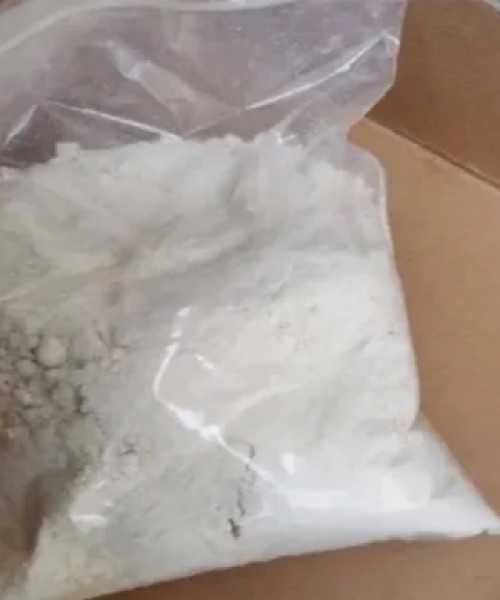
Why Street Appearance Cannot Identify Isotonitazene
Powder color, tablet shape, packaging or branding cannot reliably distinguish isotonitazene from other substances.
Two visually identical products can have entirely different chemical compositions.
Conversely, the same chemical can appear in different physical forms.
This is why forensic scientists depend on instrumental analysis rather than appearance.
It also explains why public-health education should avoid implying that people can reliably identify nitazenes visually.
Why Isotonitazene Matters in the United States
Isotonitazene became one of the earlier nitazenes to attract substantial attention in North American toxicology.
Its emergence helped demonstrate that the synthetic opioid landscape was expanding beyond fentanyl.
Federal control followed as authorities responded to evidence of abuse and overdose risk.
The broader lesson remains relevant today: synthetic opioid markets evolve faster than traditional drug categories suggest.
New analogues can emerge, disappear and be replaced by chemically related compounds.
Isotonitazene and Research Chemical Safety
Calling isotonitazene a research chemical does not imply that it is safe.
Scientific researchers investigate dangerous substances for many reasons, including:
- receptor pharmacology
- metabolism
- forensic detection
- toxicology
- overdose prevention
- public-health surveillance
Research status should therefore never be interpreted as medical approval.
Isotonitazene has no established routine therapeutic role in the United States.
For additional educational exploration of emerging compounds and receptor terminology, visit cannabinoidseller.com.
Frequently Asked Questions
1. What is Isotonitazene?
Isotonitazene is a potent synthetic opioid from the 2-benzylbenzimidazole, or nitazene, family. It primarily activates mu-opioid receptors and has been associated with serious poisoning and fatal overdoses.
2. Is Isotonitazene fentanyl?
No. Both are potent synthetic opioids, but their chemical structures differ. Isotonitazene belongs to the nitazene family, whereas fentanyl is a phenylpiperidine opioid.
3. What does an opioid overdose look like?
Warning signs include inability to wake, extremely slow or absent breathing, unusual gurgling or choking sounds, limpness and pale, gray or bluish lips or skin. Suspected overdose requires immediate emergency assistance.
4. What opioid reversal medication is used for Isotonitazene?
Naloxone is used to reverse opioid-induced respiratory depression. Evidence from nitazene poisonings indicates that repeat administration or prolonged medical management may sometimes be necessary.
5. What are opioid use disorder symptoms?
Possible symptoms include cravings, loss of control over use, unsuccessful attempts to stop, hazardous opioid use, neglecting responsibilities and continued use despite serious consequences.
6. Does Isotonitazene have a street name?
“ISO” has appeared as an abbreviation, but street terminology cannot reliably identify a substance. Laboratory testing is required to establish whether isotonitazene is actually present.
Educational Resources
For additional educational exploration of emerging compounds, visit cannabinoidseller.com.
Scientific and public-health background can be explored through PubMed – Isotonitazene research, National Institute on Drug Abuse – Opioids, and U.S. Drug Enforcement Administration.
Additional related educational material can be explored through cannabinoidseller.com and cannabinoidseller.com research resources.
| Quantity | 5grams, 10grams, 50grams, 100grams, 500grams, 1kg, 5kg, 10kg |
|---|
Be the first to review “ISOTONITAZENE”
Related products
New
New
New
New
New

New

Reviews
There are no reviews yet.