

ISOPROPYLPHENIDATE (IPH): STIMULANT PHARMACOLOGY, DOPAMINE TRANSPORTERS AND ADDERALL DOPAMINE EFFECTS EXPLAINED
What Is Isopropylphenidate (IPH)?
Isopropylphenidate (IPH) is a synthetic phenidate-type stimulant structurally related to methylphenidate.
Methylphenidate is the active drug in established prescription medicines used for conditions such as attention-deficit/hyperactivity disorder (ADHD). IPH, by contrast, has appeared primarily in the novel psychoactive substance and research-chemical market rather than as an established prescription medication.
IPH belongs to a broader family of compounds that interact with monoamine transporters.
Of particular importance are:
- DAT — dopamine transporter
- NET — norepinephrine transporter
These transporters regulate dopamine and norepinephrine concentrations by transporting neurotransmitters back into presynaptic neurons.
Research involving phenidate-type compounds has therefore focused heavily on their effects on catecholamine neurotransmission.
For further educational information about emerging psychoactive substances and pharmacology, visit cannabinoidseller.com.
Quick Facts
| Feature | Isopropylphenidate |
|---|---|
| Abbreviation | IPH |
| Drug family | Phenidate |
| Broad pharmacological category | Stimulant |
| Structurally related to | Methylphenidate |
| Important transporter | DAT |
| Another relevant transporter | NET |
| Serotonergic activity | Much less prominent than catecholamine activity in available preclinical evidence |
| Same as methylphenidate | No |
| Same as Adderall | No |
| Amphetamine | No |
| FDA-approved ADHD medication | No |
| Main modern context | NPS/research chemical |
IPH Is Related to Methylphenidate
The name isopropylphenidate reflects its relationship to the phenidate chemical family.
However:
Isopropylphenidate ≠ methylphenidate.
Small structural changes can affect:
- transporter affinity
- metabolism
- pharmacokinetics
- duration
- potency
- adverse effects
Information from prescription methylphenidate therefore cannot simply be copied onto IPH.
How Dopamine Signalling Works
Dopamine is a neurotransmitter involved in several important brain functions.
These include:
- movement
- motivation
- reinforcement
- reward processing
- attention
- learning
After dopamine is released into a synapse, it can bind to dopamine receptors.
One mechanism for terminating that signal is reuptake through the dopamine transporter (DAT).
DAT therefore acts somewhat like a recycling system.
Blocking DAT reduces dopamine reuptake.
The result can be increased extracellular dopamine signalling.
The Dopamine Transporter
DAT is especially important for understanding several stimulant drugs.
Different stimulants can interact with the transporter in different ways.
For example:
Methylphenidate primarily acts as a dopamine and norepinephrine reuptake inhibitor.
Amphetamine can interact with monoamine transporters and promote neurotransmitter release through a more complex mechanism.
This distinction becomes particularly important when comparing IPH with Adderall.
How Isopropylphenidate Works
Available preclinical research indicates that isopropylphenidate interacts with catecholamine transporters.
Its pharmacological profile is associated particularly with inhibition of:
- dopamine reuptake
- norepinephrine reuptake
Blocking these transporters can increase extracellular catecholamine signalling.
This provides a plausible mechanistic basis for its stimulant properties.
However, controlled human clinical evidence for IPH remains much more limited than the evidence available for approved stimulant medicines.
IPH and Dopamine
Dopamine is central to the pharmacology of phenidate-type stimulants.
When DAT activity is inhibited, dopamine that has already been released is cleared from the synapse less rapidly.
The resulting increase in extracellular dopamine can alter:
- attention
- locomotor activity
- reinforcement
- arousal
This does not mean every dopamine-enhancing compound produces identical effects.
Where and how dopamine concentrations change matters.
IPH and Norepinephrine
Norepinephrine is another catecholamine neurotransmitter.
It contributes to:
- arousal
- attention
- alertness
- sympathetic nervous-system activity
The norepinephrine transporter, or NET, regulates extracellular norepinephrine.
Phenidate-type compounds can influence both DAT and NET.
Consequently, their stimulant effects cannot be explained by dopamine alone.
IPH Versus Methylphenidate
| Feature | IPH | Methylphenidate |
|---|---|---|
| Chemical family | Phenidate | Phenidate |
| Stimulant | Yes | Yes |
| DAT interaction | Yes | Yes |
| NET interaction | Yes | Yes |
| FDA-approved medicine | No | Yes |
| Established ADHD treatment | No | Yes |
| Extensive human clinical evidence | No | Yes |
| Standardized pharmaceutical formulations | No approved formulation | Yes |
Structural similarity therefore does not establish medical interchangeability.
IPH Is Not Adderall
Another important distinction is:
Isopropylphenidate ≠ Adderall.
Adderall contains mixed amphetamine salts.
IPH belongs to the phenidate family.
Both can affect catecholamine neurotransmission, but they do so through different pharmacological mechanisms.
Calling both substances stimulants does not make them equivalent.
What Is Adderall?
Adderall is a prescription CNS stimulant containing mixed amphetamine salts.
The formulation contains amphetamine salts providing both:
- dextroamphetamine
- levoamphetamine
Prescription amphetamines have established medical applications, particularly for ADHD.
They are controlled medications because amphetamine also has significant misuse, dependence and addiction potential.
Does Adderall Increase Dopamine?
Yes.
Adderall increases dopaminergic signalling.
Its amphetamine components can enter neurons through monoamine transporters and alter the normal handling of neurotransmitters.
Dopamine is one of the major neurotransmitters affected.
Norepinephrine is also extremely important.
Therefore, describing Adderall simply as a “dopamine drug” would be incomplete.
Adderall Dopamine Effects
The relationship between Adderall and dopamine involves several interacting mechanisms.
Amphetamine can:
- interact with dopamine transporters
- enter presynaptic neurons
- affect intracellular monoamine handling
- promote increased extracellular monoamine concentrations
The resulting elevation of dopamine signalling contributes to stimulant effects.
Norepinephrine signalling increases as well.
These mechanisms differ from straightforward transporter blockade alone.
How Does Adderall Affect Dopamine?
To understand how Adderall affects dopamine, it helps to compare two simplified mechanisms.
Reuptake inhibition
A transporter inhibitor slows removal of dopamine from the extracellular environment.
Methylphenidate is a classic example.
Amphetamine-type action
Amphetamine does more than simply block reuptake.
It acts as a transporter substrate and influences intracellular monoamine handling.
This can promote increased extracellular dopamine and norepinephrine.
That mechanistic difference helps distinguish amphetamine pharmacology from phenidate pharmacology.
IPH Versus Adderall Dopamine Pharmacology
| Feature | IPH | Adderall |
|---|---|---|
| Drug family | Phenidate | Amphetamine |
| Primary broad effect | Stimulant | Stimulant |
| Dopamine involved | Yes | Yes |
| Norepinephrine involved | Yes | Yes |
| Main simplified mechanism | Reuptake inhibition | Transporter-mediated monoamine release plus other transporter effects |
| FDA-approved medicine | No | Yes |
| Established ADHD treatment | No | Yes |
The shared word stimulant therefore conceals meaningful pharmacological differences.
Reuptake Inhibitors Versus Releasing Agents
This is one of the most useful distinctions in stimulant pharmacology.
A reuptake inhibitor primarily prevents a neurotransmitter from being transported back into the neuron as efficiently.
A releasing agent can increase neurotransmitter movement from inside neurons into the extracellular environment.
Some stimulant compounds have mixed actions.
Therefore, stimulant classification is more informative when paired with an explanation of the underlying mechanism.
Why Dopamine Does Not Simply Mean Pleasure
Dopamine is often inaccurately described as the brain’s “pleasure chemical.”
Its functions are much broader.
Dopamine participates in:
- motivation
- reward prediction
- reinforcement learning
- movement
- attention
- salience
Increased dopamine therefore does not automatically translate into increased happiness.
The location, timing and magnitude of signalling all matter.
Dopamine and Stimulant Reinforcement
Dopaminergic signalling is also important in drug reinforcement.
Rapid and substantial increases in dopamine within reward-related pathways can contribute to repeated drug-taking behaviour.
This is one reason stimulant pharmacology is relevant to addiction research.
However, therapeutic stimulant treatment and uncontrolled stimulant misuse should not be treated as identical exposure patterns.
Dose, formulation, route, medical supervision and individual vulnerability all influence risk.
Prescription Stimulants and ADHD
Approved stimulant medicines can improve ADHD symptoms in appropriately diagnosed patients.
Common prescription stimulant families include:
- amphetamine-based medications
- methylphenidate-based medications
Their therapeutic use is supported by clinical evidence and regulated pharmaceutical manufacturing.
IPH does not have the same regulatory or clinical status.
A research chemical should not be substituted for prescribed ADHD medication.
Research Chemical Does Not Mean Medicine
The term research chemical can be misleading when applied to psychoactive compounds.
It does not establish:
- FDA approval
- pharmaceutical quality
- human safety
- standardized concentration
- therapeutic effectiveness
- legal status
A compound can be scientifically interesting while remaining inappropriate for unsupervised human use.
Why Human Evidence for IPH Is Limited
Much of what researchers know about emerging stimulant compounds can come from:
- transporter assays
- animal experiments
- forensic toxicology
- analytical chemistry
- case reports
This evidence can establish important pharmacological principles.
However, it cannot provide the same level of confidence as large controlled clinical trials.
For that reason, precise claims about an obscure research chemical’s ideal amount, long-term safety or therapeutic value should be avoided.
Stimulant Side Effects
Stimulant drugs can produce adverse effects involving several organ systems.
Possible effects can include:
- increased heart rate
- elevated blood pressure
- anxiety
- restlessness
- insomnia
- reduced appetite
- tremor
The specific risk profile depends on the substance and exposure.
Unknown research chemicals introduce additional uncertainty.
Stimulant Toxicity
Severe stimulant toxicity can become a medical emergency.
Potential warning signs include:
- severe agitation
- chest pain
- hallucinations
- extreme confusion
- very high body temperature
- abnormal heart rhythm
- seizures
- collapse
Emergency medical assistance is appropriate when serious symptoms develop after stimulant exposure.
Mixing Stimulants
Combining stimulant substances can increase physiological stress.
Potential consequences can include excessive:
- cardiovascular stimulation
- blood-pressure elevation
- anxiety
- agitation
- overheating
The fact that two drugs operate through somewhat different mechanisms does not mean combining them is safer.
Stimulants and Depressants Do Not Cancel Each Other
Another common misconception is that a depressant can simply neutralize excessive stimulant effects.
It cannot.
A depressant might reduce the subjective feeling of stimulation while cardiovascular toxicity remains.
Likewise, stimulation can make someone feel more awake despite dangerous depressant effects.
Mixed-drug exposure can therefore conceal warning signs rather than eliminate toxicity.
Dopamine and Dependence
Repeated exposure to strongly reinforcing stimulants can produce neurobehavioral adaptations.
Substance use disorder can involve:
- craving
- impaired control
- continued use despite harm
- increasing time devoted to drug use
- unsuccessful attempts to reduce use
Dopamine pathways play an important role in reinforcement, but addiction is not caused by one neurotransmitter alone.
Psychological, biological and environmental factors also contribute.
IPH Is Not a Proven Cognitive Enhancer
A compound increasing dopamine or norepinephrine does not automatically make it an effective or safe cognitive enhancer.
Excessive catecholaminergic activity can impair performance through:
- anxiety
- insomnia
- distraction
- tremor
- cardiovascular effects
More stimulation does not necessarily mean better cognition.
This is particularly important for unapproved compounds with limited human evidence.
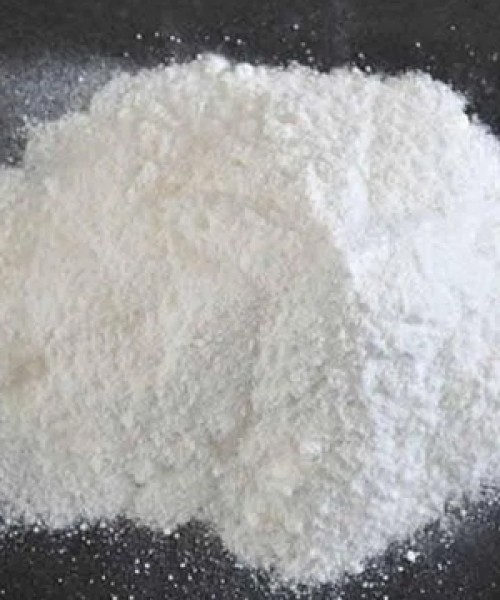
Why Chemical Identification Matters
Novel psychoactive substances cannot reliably be identified by:
- powder colour
- crystal appearance
- packaging
- a product label
An unknown sample may contain:
- another stimulant
- multiple psychoactive compounds
- contaminants
- unexpected concentrations
Definitive identification requires appropriate analytical testing.
Frequently Asked Questions
1. What is isopropylphenidate (IPH)?
Isopropylphenidate is a synthetic phenidate-type stimulant structurally related to methylphenidate. It has appeared primarily as a novel psychoactive substance rather than an approved prescription medication.
2. Does Adderall increase dopamine?
Yes. Adderall contains amphetamine salts that increase extracellular dopamine signalling. Norepinephrine signalling is also an important part of its pharmacology.
3. How does Adderall affect dopamine?
Amphetamine interacts with monoamine transporters and intracellular neurotransmitter handling, promoting increased extracellular dopamine. Its mechanism is more complex than simple dopamine reuptake inhibition.
4. Does IPH affect dopamine?
Available pharmacological evidence indicates that IPH interacts with the dopamine transporter and inhibits dopamine reuptake. Norepinephrine transporter activity is also relevant.
5. Is IPH the same as methylphenidate?
No. They are structurally related phenidates but are distinct chemical compounds. Methylphenidate is an established prescription medication, whereas IPH is not an FDA-approved ADHD treatment.
6. Is IPH the same as Adderall?
No. IPH is a phenidate derivative, while Adderall contains mixed amphetamine salts. Both influence catecholamine signalling, but their mechanisms and regulatory status differ.
Educational Resources
For additional educational information about psychoactive-drug pharmacology, visit cannabinoidseller.com.
PubMed — Isopropylphenidate Research
Scientific literature provides analytical and pharmacological research concerning IPH and related novel phenidate stimulants.
Explore isopropylphenidate research on PubMed
DailyMed — Amphetamine/Adderall Pharmacology
Official prescribing information explains the pharmacology, indications and safety considerations associated with mixed amphetamine salts.
Explore Adderall information through DailyMed
NIDA — Prescription Stimulants
NIDA provides educational information about prescription stimulants, dopamine, medical uses, misuse and addiction.
Explore NIDA prescription stimulant information
For further research-oriented educational content, visit cannabinoidseller.com and additional resources through cannabinoidseller.com.
| Quantity | 10grams, 50grams, 100grams, 500grams, 1kg, 5kg, 10kg |
|---|
Be the first to review “ISOPROPYLPHENIDATE (IPH)”
Related products
New

New

New
New

Reviews
There are no reviews yet.