

BMDP (3,4-METHYLENEDIOXY-N-BENZYLCATHINONE): SYNTHETIC CATHINONE PHARMACOLOGY, STIMULANT EFFECTS, ADDICTION AND OVERDOSE EXPLAINED
What Is BMDP?
BMDP, also called 3,4-methylenedioxy-N-benzylcathinone or benzylone, is a ring-substituted synthetic cathinone encountered within the novel psychoactive substance (NPS) environment.
Its chemical structure has been analytically characterized, and BMDP has appeared in forensic drug seizures.
The compound was reported in samples seized in the United Kingdom and Poland around 2010. Researchers subsequently characterized its structure using techniques including high-resolution mass spectrometry and nuclear magnetic resonance spectroscopy.
However, BMDP requires an important scientific qualification:
Being structurally classified as a synthetic cathinone does not prove that BMDP has the same stimulant potency or behavioral effects as better-known cathinones.
WHO’s review of benzylone reported that its mode of action suggested stimulant-like effects associated with other cathinones, but those effects appeared relatively weak, and stimulant effects were not demonstrated in the animal models considered in the review.
This distinction prevents class-wide stimulant information from being incorrectly presented as proven BMDP-specific human pharmacology.
For additional research-oriented information about psychoactive compounds, visit cannabinoidseller.com.
Quick Facts About BMDP
| Feature | BMDP |
|---|---|
| Full name | 3,4-Methylenedioxy-N-benzylcathinone |
| Alternative name | Benzylone |
| Chemical family | Synthetic cathinone |
| Broad context | Novel psychoactive substance |
| DEA NFLIS category | Synthetic cathinones |
| Recognized therapeutic use | None established |
| Human clinical evidence | Very limited |
| Same as MDPV | No |
| Same as methylone | No |
| Same as amphetamine | No |
| Stimulant-family context | Yes |
| Exact human stimulant profile established | No |
BMDP Is a Synthetic Cathinone
Synthetic cathinones are structurally related to cathinone, a naturally occurring stimulant constituent of the khat plant.
The family includes compounds such as:
- mephedrone
- methylone
- pentedrone
- N-ethylpentedrone
- α-PVP
- α-PiHP
- MDPV
- BMDP
The Drug Enforcement Administration’s NFLIS classification places BMDP in the synthetic-cathinone category.
However, chemical classification and pharmacological potency are different questions.
Two synthetic cathinones can have markedly different biological activities.
Why the N-Benzyl Group Matters
BMDP contains an N-benzyl substitution.
Small structural changes to cathinones can substantially alter how molecules interact with biological targets.
Relevant structural variables include:
- nitrogen substitution
- aromatic-ring substitution
- carbon-chain length
- methylenedioxy groups
- pyrrolidine rings
Consequently, data obtained from MDPV, α-PVP or mephedrone should not simply be assigned to BMDP.
What Does the Research Actually Show?
BMDP was identified and structurally characterized in a 2013 analytical study.
Researchers used sophisticated analytical techniques to establish the chemical structure of material found in “legal high” products.
WHO subsequently reviewed benzylone during its 44th Expert Committee on Drug Dependence process.
The available evidence was limited.
WHO described benzylone as a ring-substituted synthetic cathinone and noted that its mode of action suggested stimulant effects similar to other cathinones, although those effects appeared relatively weak.
This is a good example of why research-chemical articles need to separate:
confirmed chemical identity
from:
inferred pharmacology
and:
demonstrated human effects.
What Is a Stimulant?
A stimulant is a substance that increases activity within parts of the central nervous system.
Typical stimulant effects can involve increased:
- alertness
- wakefulness
- attention
- motor activity
- sympathetic nervous-system activity
The category contains several chemically unrelated drug families.
Not every stimulant operates through the same receptor or transporter.
Psychomotor Stimulants
Psychomotor stimulants are substances that can increase CNS activity together with motor activity and behavioral arousal.
Classic examples include:
- amphetamine
- methamphetamine
- cocaine
- methylphenidate
Many synthetic cathinones can also produce psychomotor-stimulant effects.
However, the magnitude of these effects differs substantially among individual cathinones.
Psychomotor Stimulant Drugs
Common psychomotor stimulant drugs influence neurotransmitter systems involving dopamine and norepinephrine.
Some also substantially affect serotonin.
Dopamine is particularly important for:
- movement
- motivation
- reinforcement
- reward prediction
- attention
Norepinephrine contributes to:
- arousal
- wakefulness
- cardiovascular activity
- sympathetic responses
The balance between these neurotransmitter systems varies according to the drug.
Stimulant Mechanism of Action
There is no single stimulant mechanism of action.
Different stimulants work differently.
Cocaine
Cocaine primarily inhibits monoamine transporters, including the dopamine transporter.
Amphetamine
Amphetamine acts as a transporter substrate and alters intracellular monoamine handling, increasing extracellular dopamine and norepinephrine.
Methylphenidate
Methylphenidate primarily inhibits dopamine and norepinephrine transporters.
Caffeine
Caffeine produces stimulation primarily through antagonism of adenosine receptors.
Synthetic cathinones
Synthetic cathinones can act as monoamine transporter inhibitors, transporter substrates, or show mixed profiles depending on their structures.
This is why calling something a stimulant does not completely describe its pharmacology.
Monoamine Transporters
Three transporters frequently appear in synthetic-cathinone research:
DAT — dopamine transporter
NET — norepinephrine transporter
SERT — serotonin transporter
These proteins normally help remove monoamine neurotransmitters from extracellular spaces.
A transporter inhibitor can slow this removal.
A transporter substrate can produce more complex effects, including increased neurotransmitter release.
BMDP’s exact human transporter pharmacology is not sufficiently characterized to justify assigning precise potency values from another cathinone.
Stimulants and “Uppers”
The phrase stimulants uppers reflects informal terminology.
“Upper” usually means CNS stimulant.
Examples can include:
- cocaine
- methamphetamine
- amphetamine
- prescription ADHD stimulants
- some synthetic cathinones
Scientific writing generally benefits from identifying the actual pharmacological class rather than relying on “upper.”
List of Stimulants
A useful educational list of stimulants includes substances from several pharmacological families:
| Stimulant | General category |
|---|---|
| Caffeine | Methylxanthine |
| Nicotine | Nicotinic receptor agonist |
| Amphetamine | CNS stimulant |
| Dextroamphetamine | CNS stimulant |
| Lisdexamfetamine | Prescription stimulant/prodrug |
| Methylphenidate | CNS stimulant |
| Methamphetamine | Amphetamine-type stimulant |
| Cocaine | Tropane stimulant |
| Many synthetic cathinones | NPS stimulants |
This list does not imply equal potency or equal risk.
Common Stimulants
Common stimulants range from widely consumed caffeine to tightly controlled prescription or illicit drugs.
Caffeine is one of the most familiar.
Prescription stimulants include several medications used for ADHD.
Cocaine and illicit methamphetamine represent a different medical and regulatory context.
Novel cathinones create additional uncertainty because many have limited human evidence.
Kinds of Stimulants
Different kinds of stimulants can be grouped by context.
Everyday stimulant
Caffeine is the best-known example.
Prescription stimulant
Amphetamine and methylphenidate formulations are prominent examples.
Illicit stimulant
Cocaine and illicitly manufactured methamphetamine are major examples.
Novel psychoactive stimulant
Numerous synthetic cathinones fall into this research and forensic category.
The categories should not be interpreted as equivalent in safety or medical legitimacy.
Prescription Stimulants
Common prescription stimulants include medications containing:
- amphetamine salts
- dextroamphetamine
- lisdexamfetamine
- methylphenidate
- dexmethylphenidate
They are commonly prescribed for ADHD, while some have other approved indications.
Prescription stimulants are standardized medicines with established prescribing information.
An obscure synthetic cathinone should not be substituted for an approved prescription stimulant.
How Do Stimulants Affect the Body?
The answer to how do stimulants affect the body depends on the drug.
Many increase CNS and sympathetic nervous-system activity.
Possible physiological effects include:
- increased heart rate
- elevated blood pressure
- increased breathing rate
- increased wakefulness
- decreased appetite
- increased body temperature
Responses vary according to the substance, exposure and individual physiology.
Effects of Stimulants
Potential effects of stimulants involve both the brain and body.
Neurological or psychological effects can include:
- increased alertness
- restlessness
- anxiety
- increased activity
- insomnia
Physiological effects can include:
- faster pulse
- elevated blood pressure
- sweating
- reduced appetite
More severe effects can emerge during stimulant toxicity.
Short-Term Effects of Stimulants
Potential short term effects of stimulants include:
- increased wakefulness
- increased attention
- decreased appetite
- elevated heart rate
- elevated blood pressure
- insomnia
- restlessness
- anxiety
At excessive exposure, stimulation can progress to serious toxicity.
These are general stimulant effects and should not all be presented as experimentally established specifically for BMDP.
Side Effects of Stimulants
Possible side effects of stimulants include:
- nervousness
- headache
- insomnia
- reduced appetite
- tremor
- palpitations
- anxiety
Powerful stimulants can also produce more severe cardiovascular or psychiatric effects.
The likelihood and severity depend heavily on the specific drug.
Side Effects of Stimulant Drugs
Serious side effects of stimulant drugs can include:
- severe agitation
- paranoia
- hallucinations
- dangerous overheating
- abnormal heart rhythm
- severe hypertension
- seizures
These symptoms warrant medical attention.
An unknown NPS creates additional uncertainty because the expected compound may not be the only substance present.
Stimulants Can Generate Increased Arousal
The keyword phrase “stimulants can generate a” can be completed scientifically in several ways.
Stimulants can generate an increase in:
- wakefulness
- arousal
- sympathetic activity
- heart rate
- blood pressure
Some can also generate increased extracellular dopamine or norepinephrine signaling.
The exact mechanism depends on the stimulant.
Stimulants Negative Effects
Potential stimulants negative effects range from relatively mild adverse effects to life-threatening toxicity.
Examples include:
- anxiety
- insomnia
- appetite suppression
- hypertension
- rapid heart rate
- overheating
Repeated misuse can additionally contribute to:
- substance use disorder
- sleep disruption
- psychiatric symptoms
- cardiovascular complications
Not every stimulant produces the same risk profile.
Stimulant Abuse
The phrase stimulant abuse remains common in search language, although medical literature increasingly uses terms such as:
- stimulant misuse
- stimulant use disorder
Misuse can involve taking a prescription stimulant differently from how it was prescribed or using a stimulant for nonmedical purposes.
Novel synthetic stimulants create another problem: their human toxicology can be incompletely characterized.
Signs and Symptoms of Stimulant Abuse
Possible signs and symptoms of stimulant abuse or problematic stimulant use can include:
- compulsive drug seeking
- inability to reduce use
- increasing time spent obtaining or using the drug
- continuing despite physical or psychological harm
- disrupted sleep
- appetite changes
- repeated intoxication
- neglect of responsibilities
No single sign proves stimulant addiction.
Clinical assessment considers the overall behavioral pattern.
Stimulant Addiction
Stimulant addiction represents a severe form of stimulant use disorder.
Features can include:
- strong craving
- impaired control
- repeated unsuccessful attempts to stop
- continued use despite harmful consequences
- disruption of work, school or relationships
Addiction involves more than dopamine alone.
Biological, behavioral, psychological and environmental factors interact.
Dopamine and Stimulant Addiction
Many powerful psychomotor stimulants alter dopamine signaling.
Dopamine contributes to reinforcement and learning.
Repeated drug-associated dopamine signaling can strengthen associations between the drug and:
- environments
- cues
- behaviors
- rewards
Over time, these learned associations can contribute to compulsive drug-seeking behavior.
This is one reason stimulant addiction cannot be understood simply as a matter of willpower.
Stimulant Addiction Treatment
Stimulant addiction treatment can involve evidence-based behavioral interventions.
SAMHSA identifies approaches including:
- contingency management
- cognitive behavioral therapy
- motivational interviewing
- community reinforcement approaches
Contingency management has particularly important evidence supporting its usefulness in stimulant use disorder.
Treatment should be individualized according to the person’s health, substances involved and other needs.
Is There an FDA-Approved Medication for Stimulant Addiction?
Unlike opioid use disorder, which has several FDA-approved medications, stimulant use disorder has historically lacked a specifically FDA-approved medication treatment.
This makes behavioral and psychosocial interventions particularly important.
Clinical research continues to investigate pharmacological strategies.
People seeking treatment should receive professional evaluation rather than attempting to substitute another stimulant or sedative.
Stimulant Overdose
A stimulant overdose occurs when stimulant effects become severe enough to threaten health or safety.
CDC notes that stimulant overdoses do not all look the same.
The presentation depends on factors including:
- the drug
- individual health
- exposure
- other substances
- environmental conditions
“Stimulant toxicity” and “overamping” are sometimes used for similar emergencies.
Stimulant Overdose Symptoms
Potential stimulant overdose symptoms include:
- dilated pupils
- dizziness
- tremor
- irritability
- confusion
- nausea or vomiting
- rapid breathing
- very fast heart rate
- abnormal heart rhythm
- excessive sweating
- dangerous overheating
- severe hypertension
- chest pain
- extreme anxiety
- hallucinations
- psychosis
Seizures, collapse, stroke-like symptoms or severe cardiovascular problems can also occur during serious stimulant toxicity.
What to Do During Suspected Stimulant Overdose
A severe stimulant reaction requires urgent medical care.
Call emergency medical services if someone develops:
- chest pain
- seizure
- collapse
- extreme overheating
- severe confusion
- loss of consciousness
- stroke-like symptoms
- dangerous agitation or psychosis
Move the person away from unnecessary stimulation or environmental heat when this can be done safely and follow emergency-dispatch instructions.
Do not assume they can simply sleep off severe symptoms.
Naloxone and Stimulant Emergencies
Naloxone does not directly reverse stimulant toxicity.
However, illicit stimulant supplies can involve unexpected opioid exposure.
If someone is unresponsive or has abnormal breathing and opioid exposure is possible, naloxone should be administered according to approved instructions when available while emergency medical services are contacted.
Naloxone treats an opioid component, not the stimulant itself.
Long-Term Effects of Stimulants
Potential long term effects of stimulants vary substantially among compounds and patterns of exposure.
Chronic misuse of powerful stimulants can be associated with:
- cardiovascular disease
- chronic sleep disruption
- anxiety
- mood problems
- substance use disorder
- nutritional problems
- psychiatric complications
CDC notes that long-term stimulant use is associated with cardiovascular disease, which can increase overdose vulnerability.
Long-Term Effects of Stimulant Drugs
The long term effects of stimulant drugs should not be generalized indiscriminately.
Methamphetamine has a much larger human evidence base than BMDP.
Cocaine has extensive clinical and epidemiological literature.
Prescription methylphenidate has decades of controlled medical data.
BMDP has comparatively little human research.
Therefore, established chronic effects from methamphetamine or cocaine cannot simply be relabeled as proven long-term BMDP effects.
Why BMDP-Specific Evidence Matters
This distinction is central to scientifically responsible research-chemical writing.
We know that BMDP:
- is 3,4-methylenedioxy-N-benzylcathinone
- is also called benzylone
- is structurally a synthetic cathinone
- has been analytically identified in seized material
- has no recognized therapeutic use according to the WHO review
What remains far less certain is its complete human:
- pharmacodynamics
- pharmacokinetics
- toxicity
- dependence liability
- chronic-effect profile
Uncertainty should be reported rather than filled with assumptions from other cathinones.
Research Chemical Does Not Mean Safe
The phrase “research chemical” does not establish:
- safety
- purity
- standardized concentration
- therapeutic effectiveness
- FDA approval
- legal status
An NPS can be poorly characterized precisely because relatively little controlled research exists.
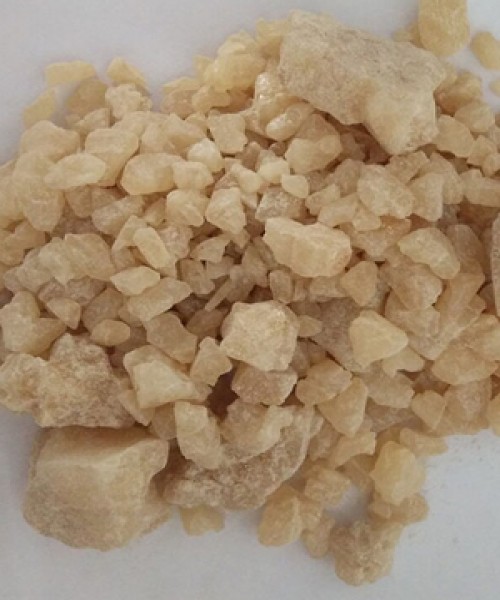
Visual Identification Is Unreliable
A powder cannot reliably be identified as BMDP based on:
- color
- texture
- packaging
- taste
- seller description
The original scientific identification of BMDP relied on sophisticated analytical techniques.
Modern forensic laboratories can use approaches including:
- chromatography
- mass spectrometry
- infrared spectroscopy
- nuclear magnetic resonance spectroscopy
Analytical identification is substantially more reliable than appearance.
Frequently Asked Questions
1. What is BMDP?
BMDP, also known as benzylone or 3,4-methylenedioxy-N-benzylcathinone, is a ring-substituted synthetic cathinone encountered in the NPS environment. Its human pharmacology remains much less characterized than that of established stimulants.
2. Is BMDP a stimulant?
BMDP belongs to the synthetic-cathinone family and has been discussed in a stimulant context. However, WHO’s review noted relatively weak predicted stimulant activity and reported that stimulant effects were not observed in the animal models considered. It is therefore important not to exaggerate BMDP-specific effects.
3. What are common stimulant overdose symptoms?
Serious symptoms can include rapid heart rate, abnormal rhythm, hypertension, chest pain, overheating, severe anxiety, confusion, hallucinations and psychosis. Seizures, collapse or stroke-like symptoms require emergency care.
4. What are signs of stimulant addiction?
Potential signs include strong cravings, impaired control, unsuccessful attempts to stop, continuing despite harm and significant disruption to everyday responsibilities or relationships.
5. How is stimulant addiction treated?
Evidence-based approaches include contingency management, cognitive behavioral therapy, motivational interviewing and community reinforcement approaches. Treatment should be individualized by qualified healthcare professionals.
6. What are the long-term effects of stimulants?
Chronic misuse of powerful stimulants can be associated with cardiovascular, sleep, psychiatric and substance-use problems. The exact risks vary by drug, and direct long-term human evidence for BMDP is currently very limited.
Educational Resources
For additional educational information about research chemicals and psychoactive pharmacology, visit cannabinoidseller.com.
PubMed — BMDP Identification
Researchers used high-resolution mass spectrometry and spectroscopic methods to identify and characterize 3,4-methylenedioxy-N-benzylcathinone.
CDC — Stimulant Overdose
CDC provides guidance on stimulants, overdose risks and serious warning signs requiring medical attention.
SAMHSA — Treatment of Stimulant Use Disorders
SAMHSA reviews evidence-based approaches including contingency management, cognitive behavioral therapy, motivational interviewing and community reinforcement.
Read SAMHSA stimulant-treatment guidance
For further research-oriented educational content, visit cannabinoidseller.com and its educational research resources.
| Quantity | 10grams, 50grams, 100grams, 500grams, 1kg, 5kg, 10kg |
|---|
Be the first to review “BMDP (3 4-METHYLENEDIOXY-N-BENZYLCATHINONE)”
Related products

Stimulants
New
New
New
New
New

Reviews
There are no reviews yet.