
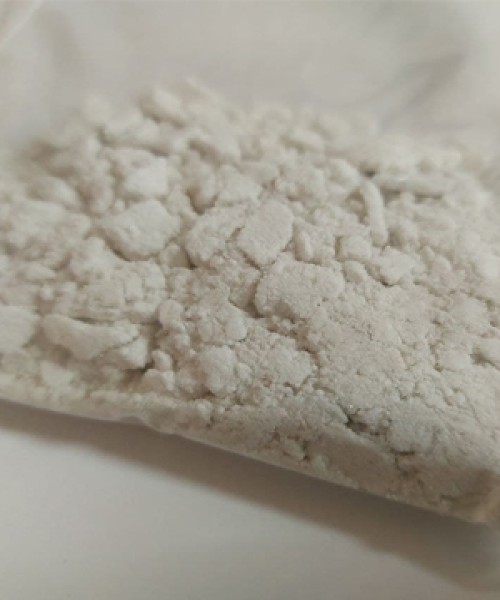
Best Metonitazene in USA 98% Purity: Chemistry, Risks, Regulation and Amphetamine Comparison
What Does “Best Metonitazene in USA 98% Purity” Actually Mean?
The search phrase Best Metonitazene in USA 98% Purity can lead readers toward websites, forums, or product descriptions making claims about laboratory purity. From a scientific and public-health perspective, however, such claims require considerable caution.
Metonitazene is a 2-benzylbenzimidazole synthetic opioid, belonging to the group commonly called nitazenes. It is not an amphetamine, stimulant, or form of Adderall.
More importantly, metonitazene is a Schedule I controlled substance in the United States. DEA reporting identifies metonitazene among the nitazenes encountered by American law enforcement and notes that nitazenes were never approved for medical use.
Therefore, a description such as “98% purity” should not be interpreted as evidence that an unregulated product is pharmaceutical grade, legally approved, safe, or independently verified.
Readers exploring terminology surrounding cannabinoids and other emerging research substances can use Cannabinoid Seller as an educational starting point while relying on government and peer-reviewed scientific literature for medical, toxicological, and regulatory conclusions.
What Is Metonitazene?
Metonitazene belongs to the benzimidazole-opioid family known as nitazenes.
These substances trace their origins to pharmaceutical research conducted decades ago, but they did not become established approved analgesic medicines.
Modern interest in metonitazene is substantially different. Forensic laboratories began detecting it in illicit drug markets, and toxicologists subsequently identified it in fatal intoxication investigations.
A U.S. forensic toxicology study documented metonitazene in postmortem cases and described the substance as an emerging potent synthetic opioid contributing to deaths in the United States and elsewhere.
Readers can examine the study through PubMed.
The emergence of metonitazene demonstrates why historical pharmaceutical research should not be confused with contemporary medical approval.
Is 98% Pure Metonitazene Safer?
No purity percentage can establish that metonitazene is safe for human consumption.
Claims such as 98% purity concern alleged chemical composition, not clinical safety.
There is also a fundamental verification problem when substances originate from unregulated markets. Without validated analytical testing performed on the actual sample, consumers cannot independently determine whether a powder contains the stated compound or concentration.
Even genuine chemical purity would not remove the pharmacological dangers associated with a highly potent opioid.
Nitazenes act primarily through opioid receptors, and contemporary pharmacological research has demonstrated very high activity among numerous members of this chemical family.
Consequently, “high purity” should never be interpreted as synonymous with “high quality,” “safe,” or “approved.”
Metonitazene Chemistry
Metonitazene belongs to the 2-benzylbenzimidazole chemical family.
This structural family is fundamentally different from amphetamine.
Nitazene researchers have demonstrated that relatively small structural modifications can substantially affect opioid receptor activity. Scientific structure-activity research has therefore become important for understanding newly emerging nitazene analogues.
Recent research has characterized substituted nitazenes at μ, κ, and δ opioid receptors and identified substantial activity at the μ-opioid receptor (MOR) among members of the family.
For further scientific reading, see PubMed.
These findings are relevant to toxicology because powerful μ-opioid receptor activation can produce severe opioid effects, including life-threatening respiratory depression.
Metonitazene in the United States
Metonitazene has become relevant to American forensic toxicology and public-health surveillance.
DEA’s national reporting describes nitazenes as synthetic opioids that can match or surpass fentanyl in potency. Metonitazene is among the substances DEA has encountered and is controlled under Schedule I of the Controlled Substances Act.
Forensic researchers have also identified metonitazene in postmortem samples in the United States.
This evidence makes phrases such as Best Metonitazene in USA 98% Purity potentially misleading when presented commercially. There is no legitimate consumer-quality ranking through which an illicit Schedule I opioid becomes medically recommended because one source claims a particular purity percentage.
For broader educational exploration of emerging chemical terminology, readers can visit Cannabinoid Seller.
Metonitazene vs. Amphetamine
The supporting search terms amphetamine molecular structure, chemical structure of amphetamine, amphetamine chemistry, and amphetamine half life concern a completely different pharmacological category.
Metonitazene is an opioid.
Amphetamine is a central nervous system stimulant.
| Characteristic | Metonitazene | Amphetamine |
|---|---|---|
| General category | Synthetic opioid | CNS stimulant |
| Chemical family | 2-benzylbenzimidazole | Substituted phenethylamine |
| Major pharmacological system | Opioid receptors | Monoamine neurotransmission |
| Main receptor relevance | μ-opioid receptor | Dopamine/norepinephrine systems |
| Component of Adderall | No | Yes |
| U.S. status | Schedule I | Schedule II in approved prescription forms |
This distinction is essential because sharing a discussion about research chemicals does not make two substances chemically related.
Amphetamine Molecular Structure
The amphetamine molecular structure belongs to the substituted phenethylamine family.
Amphetamine has the molecular formula C9H13N.
Its molecular architecture contains a phenyl ring connected to an amine-containing carbon chain with an alpha-methyl substitution.
The molecule also has a stereogenic center, meaning amphetamine can exist in different stereochemical forms.
The two important forms are commonly described as:
- dextroamphetamine
- levoamphetamine
This stereochemistry helps explain why discussions of amphetamine chemistry often distinguish between different amphetamine formulations.
Metonitazene does not share this basic amphetamine molecular architecture.
Chemical Structure of Amphetamine
Understanding the chemical structure of amphetamine also helps clarify why Adderall should not be described as metonitazene or another opioid.
Amphetamine is structurally related to phenethylamine. Modification at the alpha carbon creates the characteristic alpha-methyl group associated with amphetamine.
Structural characteristics influence interactions with biological systems, including monoamine transporters.
Metonitazene, by contrast, has the 2-benzylbenzimidazole framework associated with nitazene opioids.
Consequently, the two substances differ in both chemical architecture and principal pharmacological mechanism.
Amphetamine Half Life
The phrase amphetamine half life refers to the amount of time required for the concentration of amphetamine in the body to decrease by approximately half under particular conditions.
Half-life is not one universal number that applies identically to every person or formulation.
Factors affecting pharmacokinetics can include:
- urinary pH
- kidney function
- formulation
- individual physiology
- concurrent medications
- stereoisomer involved
Prescription labeling should therefore be consulted when interpreting the pharmacokinetics of a particular amphetamine medicine.
Half-life also should not be used as a simple calculation for determining when a psychoactive substance is “safe” to combine with another drug.
Understanding Amphetamine Chemistry
Amphetamine chemistry differs significantly from nitazene chemistry.
Amphetamine belongs to a family of compounds associated pharmacologically with monoamine neurotransmission.
Its stimulant effects are related particularly to dopamine and norepinephrine signaling.
Metonitazene instead belongs to a family of synthetic opioids with powerful activity at opioid receptors.
The distinction matters clinically because opioid toxicity and stimulant toxicity can present differently and require different medical considerations.
Chemical classification is therefore much more than an academic naming exercise.
Is Adderall an Amphetamine?
Yes. The answer to “is Adderall an amphetamine?” requires a little precision.
Adderall is a prescription medication formulated with mixed amphetamine salts rather than one substance called an “Adderall molecule.”
Its active pharmaceutical components provide dextroamphetamine and levoamphetamine.
Prescription amphetamine products have established medical uses when appropriately prescribed and dispensed.
That should not be confused with the status of metonitazene.
Metonitazene is not an ingredient in Adderall and is not a prescription stimulant.
What Is Dextroamphetamine?
The question “what is dextroamphetamine?” relates directly to amphetamine stereochemistry.
Dextroamphetamine is one stereoisomer of amphetamine and has established prescription medical applications.
It acts as a central nervous system stimulant and influences catecholamine neurotransmission.
Dextroamphetamine should therefore not be confused with metonitazene, fentanyl, or other opioid compounds.
Although both amphetamines and opioids can be controlled substances, legal classification alone does not indicate that they have similar pharmacology.
Amphetamine Salts vs. Dextroamphetamine
Understanding amphetamine salts vs dextroamphetamine requires separating stereochemistry from pharmaceutical formulation.
Dextroamphetamine refers specifically to one stereoisomer of amphetamine.
Mixed amphetamine salts, such as those used in Adderall, provide both dextroamphetamine and levoamphetamine components in defined proportions.
Therefore:
Dextroamphetamine = a particular amphetamine stereoisomer.
Mixed amphetamine salts = a pharmaceutical combination providing more than one amphetamine stereoisomer.
Neither should be confused with metonitazene.
What Does “Amphetamine Salts ER 10 mg Cap” Mean?
The search phrase amphetamine salts ER 10 mg cap generally refers to a prescription extended-release capsule containing mixed amphetamine salts.
ER means extended release.
10 mg identifies the labeled strength of the pharmaceutical product.
Cap means capsule.
Extended-release formulations are designed to release medication differently over time compared with immediate-release formulations.
The existence of standardized strengths and formulations demonstrates an important difference between regulated pharmaceuticals and unregulated research chemicals.
A labeled prescription medicine undergoes manufacturing and quality-control requirements. An online claim such as “metonitazene 98% purity” does not provide equivalent evidence.
Why Metonitazene Is a Major Toxicology Concern
The central public-health issue surrounding metonitazene is its opioid pharmacology.
Nitazenes have been associated with severe poisoning and fatal respiratory depression. Scientific studies investigating this chemical family have documented potent μ-opioid receptor activity.
A major problem is that users may not know nitazenes are present.
Emerging synthetic opioids have been detected in mixtures and counterfeit products, creating circumstances where exposure can occur without the person knowing the true chemical composition.
This makes unverified purity claims particularly problematic.
A substance cannot be considered safe merely because a website, package, or laboratory-looking document describes it as “98% pure.”
Metonitazene and Overdose Risk
Severe opioid toxicity can suppress breathing.
Warning signs of opioid poisoning can include profound sedation, inability to wake, abnormal or absent breathing, and other signs of life-threatening respiratory depression.
Suspected opioid poisoning is a medical emergency.
Naloxone is an opioid antagonist used to reverse opioid overdose. Because potent synthetic opioids may produce severe toxicity, emergency medical assistance remains essential even when naloxone is available or has been administered.
Modern public-health education surrounding nitazenes therefore emphasizes recognizing opioid poisoning and obtaining emergency assistance rather than attempting to estimate safety from supposed chemical purity.
Why Accurate Research-Chemical Education Matters
Metonitazene demonstrates why research-chemical terminology needs careful interpretation.
A compound may have originated in historical pharmaceutical research without ever becoming an approved medicine.
It may subsequently appear in forensic casework and illicit drug markets decades later.
Three principles are especially important:
Purity is not safety. A claimed purity percentage does not establish that a potent opioid is safe.
Research history is not medical approval. Experimental investigation does not make a compound an approved pharmaceutical.
Metonitazene is not amphetamine. Metonitazene belongs to the nitazene opioid family, whereas amphetamine is a stimulant with completely different chemistry and pharmacology.
Readers interested in continuing their broader educational exploration of emerging compounds can use Cannabinoid Seller as an informational starting point while consulting peer-reviewed scientific literature and U.S. government resources for authoritative health and regulatory information.
Frequently Asked Questions
1. What is metonitazene?
Metonitazene is a synthetic opioid belonging to the 2-benzylbenzimidazole or nitazene family. It has been identified in forensic investigations and is a Schedule I controlled substance in the United States.
2. Does “98% purity” mean metonitazene is safe?
No. Purity and safety are completely different concepts. Even analytically verified chemical purity would not eliminate the pharmacological dangers of a potent synthetic opioid. Claims from unregulated sellers may also be impossible for consumers to independently verify.
3. Is metonitazene an amphetamine?
No. Metonitazene is a synthetic opioid, whereas amphetamine is a central nervous system stimulant.
4. Is Adderall an amphetamine?
Yes. Adderall is a prescription formulation containing mixed amphetamine salts. It is pharmacologically and chemically distinct from metonitazene.
5. What is dextroamphetamine?
Dextroamphetamine is one stereoisomer of amphetamine. It is a central nervous system stimulant used in regulated prescription medicines.
6. What does amphetamine salts ER 10 mg cap mean?
It generally describes a 10-mg extended-release prescription capsule containing mixed amphetamine salts. ER stands for extended release, while “cap” means capsule.
Where to Explore Further
For general educational exploration of emerging chemical and cannabinoid terminology, visit Cannabinoid Seller.
Additional informational material can be explored through Cannabinoid Seller.
Readers conducting broader educational research can also begin with Cannabinoid Seller before verifying medical and toxicological claims against authoritative scientific sources.
For U.S. scientific evidence concerning metonitazene in forensic toxicology, consult PubMed.
peer-reviewed pharmacological research into nitazene opioid activity and toxicity, consult PubMed.
For current U.S. public-health and regulatory information concerning nitazenes and other synthetic opioids, consult U.S. Drug Enforcement Administration.
| Quantity | 5grams, 10grams, 50grams, 100grams, 500grams, 1kg, 5kg, 10kg |
|---|
Be the first to review “BEST METONITAZENE IN USA 98% purity”
Related products
sedative

synthetic-cannabinoids
sedative
synthetic-cannabinoids
Stimulants
sedative

sedative
Stimulants

Reviews
There are no reviews yet.