
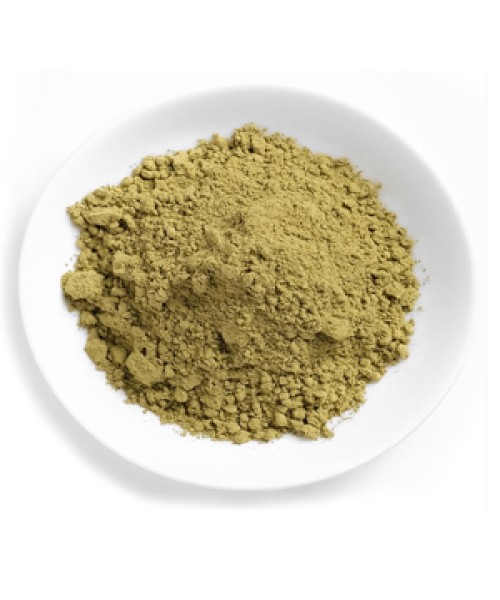
7-Hydroxymitragynine: Opioid Pharmacology, Safety and ADHD Medication Facts.
What Is 7-Hydroxymitragynine?
7-Hydroxymitragynine, commonly shortened to 7-OH, is a psychoactive alkaloid associated with the kratom plant Mitragyna speciosa. Natural kratom leaves contain 7-OH only in relatively small amounts, but the U.S. market has increasingly seen concentrated or semi-synthetic products containing much higher levels.
This distinction has become extremely important in the United States.
FDA describes concentrated 7-OH products as novel potent opioid products and warns consumers to avoid them. The agency states that 7-OH has not been proven safe or effective for medical use and is not an FDA-approved drug.
Scientific research supports the opioid classification. Laboratory studies show that 7-hydroxymitragynine produces much of its pharmacological activity through mu-opioid receptors (MOR).
This immediately separates 7-OH from the ADHD-related keywords in this article.
7-Hydroxymitragynine is not an ADHD medication, not an approved OTC stimulant for ADHD, and not a substitute for Vyvanse or other prescription ADHD treatments.
Readers researching broader cannabinoid and emerging-compound terminology can explore cannabinoidseller.com.
7-Hydroxymitragynine and Kratom
Kratom comes from Mitragyna speciosa, a tree native to Southeast Asia.
Two alkaloids receive particular scientific attention:
- mitragynine
- 7-hydroxymitragynine
Mitragynine occurs in much larger amounts naturally.
7-OH usually occurs at much lower natural concentrations but has powerful opioid-receptor activity.
Modern commercial products complicate the picture because manufacturers can concentrate 7-OH or create it from other kratom alkaloids.
As a result, a highly concentrated tablet or gummy marketed around 7-OH may not resemble traditional botanical kratom exposure pharmacologically.
FDA has specifically warned that products containing added or enhanced 7-OH can present serious health risks.
How Does 7-Hydroxymitragynine Work?
7-Hydroxymitragynine primarily interacts with mu-opioid receptors.
These receptors influence:
- pain perception
- reward
- sedation
- gastrointestinal activity
- physical dependence
- respiratory control
Early experimental research demonstrated that 7-OH’s analgesic effects depend predominantly on mu-opioid receptor activity.
More recent research has characterized commercial 7-OH products as effectively functioning like opioid products rather than ordinary botanical supplements. A 2025 study examining hundreds of marketed products found that many made claims involving relaxation, focus, pain or anxiety despite lacking established FDA approval.
Is 7-Hydroxymitragynine an Opioid?
Pharmacologically, yes, it has significant opioid activity.
Calling it an opioid does not mean it has the same molecular structure as fentanyl or morphine.
Rather, it means its important biological effects involve opioid receptors.
| Substance | Main pharmacological context |
|---|---|
| 7-Hydroxymitragynine | Mu-opioid receptor-active kratom alkaloid |
| Fentanyl | Synthetic mu-opioid receptor agonist |
| Morphine | Naturally derived opioid agonist |
| Methylphenidate | CNS stimulant used for ADHD |
| Amphetamine | CNS stimulant used for ADHD |
| Atomoxetine | Non-stimulant ADHD medication |
This comparison shows why 7-OH should not be grouped with ADHD stimulants.
Current U.S. Regulation of 7-OH
The regulatory picture changed significantly in 2026.
On July 1, 2026, DEA announced its intent to temporarily place 7-hydroxymitragynine above a specified threshold into Schedule I under the Controlled Substances Act. The proposed threshold targets concentrated or synthesized 7-OH while distinguishing it from botanical kratom containing naturally occurring low levels.
Separately, three chemically related substances—mitragynine pseudoindoxyl, MGM-15 and MGM-16—were temporarily placed into Schedule I effective August 26, 2026.
Readers should therefore avoid assuming that older online descriptions of 7-OH’s legal status remain current.
Is 7-OH an ADHD Medication?
No.
There is no FDA-approved ADHD medication containing 7-hydroxymitragynine.
FDA also states that 7-OH itself is not approved for any medical use.
Some commercial 7-OH products have reportedly used marketing language involving “focus,” but marketing claims do not establish clinical effectiveness for ADHD.
ADHD treatment relies on medications and interventions that have undergone clinical evaluation for the disorder.
ADHD Medication OTC: Is There an Over-the-Counter ADHD Drug?
The keyword ADHD medication OTC reflects a common search.
In the United States, established FDA-approved medications specifically used to treat ADHD are generally prescription treatments, not ordinary over-the-counter stimulant products.
FDA-approved prescription stimulant medications include several forms of:
- amphetamine
- dextroamphetamine
- lisdexamfetamine
- methylphenidate
- dexmethylphenidate
FDA also recognizes non-stimulant ADHD medications.
An online product marketed as an “OTC ADHD medication” should not automatically be treated as equivalent to an FDA-approved ADHD treatment.
FDA regulates genuine nonprescription medicines through specific approval or OTC regulatory pathways.
Best Over-the-Counter ADHD Medication for Adults
There is no universal best over-the-counter ADHD medication for adults comparable to prescription ADHD pharmacotherapy.
Products sold as focus boosters, nootropics or stimulant supplements may contain substances such as caffeine or various dietary-supplement ingredients.
That does not make them FDA-approved treatments for ADHD.
Adults who experience persistent problems involving attention, impulsivity or executive functioning benefit more from an appropriate clinical assessment than from assuming an OTC stimulant product can diagnose or treat ADHD.
This distinction also prevents products such as concentrated 7-OH from being misrepresented as “focus” medications.
OTC Stimulants for ADHD
The phrase OTC stimulants for ADHD can be misleading.
Caffeine is an over-the-counter psychoactive stimulant, but it is not equivalent to FDA-approved ADHD stimulant medications.
Prescription ADHD stimulants act primarily through dopamine and norepinephrine systems and come in carefully formulated preparations.
Common examples include medications containing:
- methylphenidate
- dexmethylphenidate
- amphetamine salts
- dextroamphetamine
- lisdexamfetamine
FDA warns that prescription stimulants have benefits when appropriately used but also carry risks involving misuse, addiction and overdose.
ADHD Medication Names List
A useful ADHD medication names list can be divided into stimulant and non-stimulant treatments.
Stimulant ADHD medications
Common examples include:
| Generic | Familiar brand examples |
|---|---|
| Methylphenidate | Ritalin, Concerta |
| Dexmethylphenidate | Focalin |
| Mixed amphetamine salts | Adderall |
| Dextroamphetamine | Dexedrine |
| Lisdexamfetamine | Vyvanse |
FDA identifies amphetamine and methylphenidate formulations among the established prescription stimulant options used for ADHD.
Non-stimulant ADHD medications
FDA-approved non-stimulant options include:
- atomoxetine
- extended-release guanfacine
- extended-release clonidine
- viloxazine extended release
FDA specifically identifies Strattera, Intuniv, Kapvay and Qelbree within this group.
ADHD Med List: Stimulant vs. Non-Stimulant
An ADHD med list should separate these two categories because their pharmacology differs.
| Category | Examples | Broad mechanism |
|---|---|---|
| Amphetamine stimulants | Adderall, Vyvanse, Dexedrine | Increase catecholamine signaling |
| Methylphenidate stimulants | Ritalin, Concerta, Focalin | Increase dopamine/norepinephrine signaling |
| Norepinephrine-targeting non-stimulants | Atomoxetine, viloxazine ER | Primarily non-stimulant pathways |
| Alpha-2 agonists | Guanfacine ER, clonidine ER | Adrenergic signaling modulation |
No single category works best for every patient.
Generic ADHD Meds
Many generic ADHD meds are available.
Generic medications contain the same active pharmaceutical ingredient as their referenced brand-name medicine and must meet FDA standards.
Examples include generic versions of:
- methylphenidate
- amphetamine/dextroamphetamine
- lisdexamfetamine
- atomoxetine
- guanfacine extended release
- clonidine extended release
FDA approved multiple generic lisdexamfetamine products following loss of exclusivity for Vyvanse.
Generic status does not mean “OTC.”
Most ADHD medicines still require a prescription.
ADHD Pills Name: Brand Names vs. Active Ingredients
People searching ADHD pills name often remember only a brand.
Understanding the active ingredient provides more useful information.
For example:
Adderall = mixed amphetamine salts
Vyvanse = lisdexamfetamine
Ritalin = methylphenidate
Concerta = extended-release methylphenidate
Strattera = atomoxetine
Qelbree = viloxazine extended release
Brand and generic names can differ substantially.
Healthcare professionals usually compare medications by active ingredient, formulation, duration and clinical response rather than brand recognition alone.
ADHD Stimulant Medication List
A simplified ADHD stimulant medication list includes two major families.
Amphetamine-based stimulants
These include formulations involving:
- amphetamine/dextroamphetamine
- dextroamphetamine
- lisdexamfetamine
Methylphenidate-based stimulants
These include:
- methylphenidate
- dexmethylphenidate
FDA notes that stimulants containing methylphenidate or amphetamine can improve ADHD symptoms when used appropriately.
What Is the Safest ADHD Medication?
There is no single safest ADHD medication for every person.
Safety depends on factors including:
- age
- cardiovascular health
- blood pressure
- psychiatric history
- other medications
- substance-use history
- sleep problems
- treatment response
One person may respond well to a stimulant.
Another may benefit from a non-stimulant.
A medication can also produce different adverse effects depending on formulation and individual physiology.
The medically useful question is therefore not “Which ADHD medicine is safest overall?” but “Which option offers the best benefit-to-risk balance for this patient?”
Stimulant ADHD Medication Risks
Prescription stimulants can be highly effective but require appropriate medical oversight.
FDA warns about risks involving:
- misuse
- abuse
- addiction
- overdose
Possible adverse effects can also include appetite suppression, sleep disturbance, increased heart rate or increased blood pressure depending on the medication and patient.
These risks explain why prescription stimulants should not be shared or treated as ordinary “focus pills.”
Non-Stimulant ADHD Medication
People who cannot use stimulants or who experience unacceptable effects may have other options.
FDA-approved non-stimulants include atomoxetine, guanfacine ER, clonidine ER and viloxazine ER.
These medications differ substantially from stimulants in both pharmacology and adverse-effect profiles.
They also differ completely from 7-hydroxymitragynine.
An opioid-active compound should not be substituted for an ADHD medication merely because an online advertisement claims improved “focus.”
Alternatives to Vyvanse
The phrase alternatives to Vyvanse does not point to one universal replacement.
Vyvanse contains lisdexamfetamine, an amphetamine prodrug.
Depending on the clinical reason for changing therapy, a clinician might consider another medication from:
- another amphetamine formulation
- methylphenidate formulations
- atomoxetine
- guanfacine ER
- clonidine ER
- viloxazine ER
FDA has also approved generic lisdexamfetamine products, which may provide another option for patients who previously used brand-name Vyvanse.
The best alternative depends on why the original medication is being changed.
7-Hydroxymitragynine Is Not a Vyvanse Alternative
This point deserves emphasis.
7-hydroxymitragynine does not belong on a legitimate alternatives to Vyvanse list.
Vyvanse is an FDA-approved ADHD medication.
7-OH is an opioid-active substance for which FDA has issued strong safety warnings and which has no approved medical indication.
Using an opioid-active compound in an attempt to self-manage concentration problems could introduce risks involving dependence, intoxication and withdrawal without treating the underlying ADHD appropriately.
7-OH Dependence and Substance Use Disorder
Concern about dependence has grown as concentrated products have proliferated.
A 2025 clinical case report documented a substance use disorder following consumption of a synthetic 7-hydroxymitragynine product.
This does not establish that every person exposed to 7-OH develops addiction.
It does show that concentrated opioid-active products can create dependence-related risks that deserve serious attention.
Possible opioid-type withdrawal concerns may become relevant after repeated exposure.
7-OH Products Are Not Ordinary Kratom
A major educational distinction exists between traditional botanical kratom and modern concentrated 7-OH products.
FDA’s current warnings specifically emphasize added or enhanced levels of 7-OH, not merely trace amounts naturally present in the kratom plant.
DEA’s 2026 regulatory approach likewise distinguishes naturally occurring low concentrations from products exceeding a specified threshold.
This distinction helps avoid treating every kratom preparation as chemically identical.
Why “Natural” Does Not Automatically Mean Safe
7-hydroxymitragynine illustrates why natural origin cannot substitute for pharmacological evaluation.
Many potent medicines and toxins originate from plants.
Safety depends on:
- compound
- concentration
- formulation
- exposure
- metabolism
- interactions
- individual physiology
A trace natural constituent can also become substantially different from a concentrated commercial preparation.
Therefore, describing a product as “kratom-derived” does not automatically establish its safety.
Why Accurate ADHD Information Matters
ADHD attracts a large market for unproven “focus” products.
That makes accurate classification particularly important.
Prescription stimulants have undergone clinical testing for ADHD.
FDA-approved non-stimulants provide additional treatment options.
Generic ADHD medicines provide approved equivalents of many brand-name drugs.
OTC supplements or concentrated opioid products should not be represented as equivalent treatments without appropriate evidence and FDA approval.
7-hydroxymitragynine belongs to the opioid-research and public-health discussion—not the established ADHD medication category.
For additional educational exploration of psychoactive compounds and cannabinoid-related terminology, visit cannabinoidseller.com.
Frequently Asked Questions
1. What is 7-hydroxymitragynine?
7-Hydroxymitragynine, or 7-OH, is a psychoactive kratom-related alkaloid with substantial mu-opioid receptor activity. Concentrated commercial products can contain much higher levels than naturally occurring botanical kratom.
2. Is 7-hydroxymitragynine an ADHD medication?
No. FDA has not approved 7-OH for ADHD or any other medical use. It should not be treated as an alternative to Vyvanse, Adderall or other approved ADHD medicines.
3. Is there an OTC ADHD medication for adults?
Established FDA-approved ADHD drug therapy generally involves prescription stimulant or non-stimulant medications. Products marketed as OTC “focus” supplements are not automatically FDA-approved treatments for ADHD.
4. What are the main ADHD stimulant medications?
The two main stimulant families are amphetamine-based drugs and methylphenidate-based drugs. Examples include Adderall, Vyvanse, Dexedrine, Ritalin and Concerta.
5. What are alternatives to Vyvanse?
Depending on individual clinical circumstances, alternatives can include another amphetamine formulation, methylphenidate-based medications, or non-stimulants such as atomoxetine, guanfacine ER, clonidine ER or viloxazine ER. Generic lisdexamfetamine is also available.
6. What is the safest ADHD medication?
No one ADHD medication is safest for every patient. Clinicians consider cardiovascular health, psychiatric history, age, other medications, substance-use risk and individual response when choosing treatment.
Educational Resources
For broader educational exploration of psychoactive compounds and cannabinoid-related terminology, visit cannabinoidseller.com.
Authoritative scientific and regulatory information is available from FDA – 7-Hydroxymitragynine Safety Information, PubMed – 7-Hydroxymitragynine Mu-Opioid Receptor Research, and FDA – Treating and Dealing With ADHD.
Additional related educational material can be explored through cannabinoidseller.com and cannabinoidseller.com.
| Quantity | 10grams, 50grams, 100grams, 500grams, 1kg, 5kg, 10kg |
|---|
Be the first to review “7-HYDROXYMITRAGYNINE”
Related products
Opioids
New
Opioids
cathinones
Opioids
Opioids
Stimulants

Reviews
There are no reviews yet.