
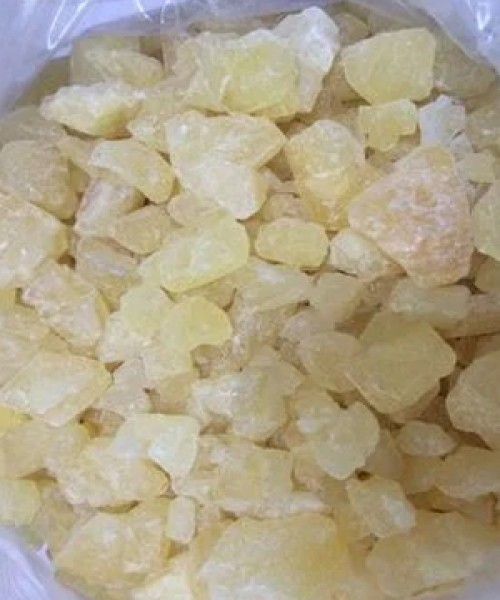
5-APB: Pharmacology, Amphetamine Mechanism of Action, Effects and Methamphetamine Differences
What Is 5-APB?
5-APB, formally known as 5-(2-aminopropyl)benzofuran, is a psychoactive benzofuran compound studied within the field of new psychoactive substances (NPS). Research indicates that it affects several monoamine neurotransmitter systems and has both stimulant-like and serotonergic properties.
Although 5-APB is sometimes discussed alongside amphetamine, methamphetamine, MDA and MDMA, these names should not be used interchangeably. The compounds differ structurally and pharmacologically.
Laboratory research indicates that 5-APB interacts with the dopamine transporter (DAT), norepinephrine transporter (NET) and serotonin transporter (SERT). Researchers have also reported activity at serotonin receptors, including 5-HT2A and 5-HT2B.
These findings help explain why scientific literature often compares 5-APB more closely with serotonergic stimulants than with purely catecholamine-dominant stimulants.
For additional educational material about emerging psychoactive compounds and research chemicals, visit cannabinoidseller.com.
5-APB Quick Facts
| Feature | 5-APB |
|---|---|
| Full name | 5-(2-aminopropyl)benzofuran |
| General family | Aminoalkylbenzofuran |
| Psychoactive | Yes |
| Stimulant properties | Yes |
| Serotonergic activity | Significant |
| DAT interaction | Yes |
| NET interaction | Yes |
| SERT interaction | Yes |
| Same as amphetamine | No |
| Same as methamphetamine | No |
| Same as MDMA | No |
| Established prescription medicine | No |
The distinction between these substances becomes clearer when their pharmacology is considered.
How Does 5-APB Work?
5-APB affects monoamine neurotransmission.
Three particularly important monoamines are:
- dopamine
- norepinephrine
- serotonin
Dopamine contributes to motivation, movement, reinforcement and reward-related signaling.
Norepinephrine plays important roles in alertness, attention and sympathetic nervous-system activity.
Serotonin influences numerous functions involving mood, perception, temperature regulation and other physiological processes.
Experimental studies of psychoactive benzofurans have found that 5-APB can interfere with monoamine transporters and promote increased extracellular monoamine activity.
The compound therefore has a more complicated pharmacological profile than simply being an “amphetamine-like stimulant.”
External Educational Source
Peer-reviewed research indexed by PubMed examines the pharmacology of 5-APB and related benzofuran compounds:
PubMed – Pharmacological characterization of 5-APB and related benzofurans
5-APB and Monoamine Transporters
Monoamine transporters normally help remove neurotransmitters from the synaptic environment and return them to neurons.
Three transporters are especially relevant:
DAT — dopamine transporter
NET — norepinephrine transporter
SERT — serotonin transporter
Research indicates that 5-APB interacts with all three.
Its comparatively important serotonergic component distinguishes its profile from conventional amphetamine in meaningful ways.
Laboratory studies of benzofuran derivatives have reported inhibition of monoamine uptake together with transporter-mediated release.
That combination can substantially alter neurotransmitter concentrations.
5-APB and Serotonin Receptors
Transporters are not the entire story.
5-APB has also demonstrated activity at serotonin receptors.
Research has identified agonist activity involving 5-HT2A and 5-HT2B receptors.
5-HT2A signaling is associated with alterations in perception and several effects produced by serotonergic psychedelics.
The 5-HT2B finding has generated particular toxicological interest.
Persistent activation of 5-HT2B receptors has been associated with cardiac-valve pathology in other pharmacological contexts. That does not prove that every exposure to 5-APB causes valve damage, but it gives researchers a plausible cardiovascular concern requiring further investigation.
Is 5-APB an Amphetamine?
No.
5-APB should not simply be called amphetamine.
Amphetamine belongs to the substituted phenethylamine/amphetamine family, whereas 5-APB is an aminopropylbenzofuran.
Their structures nevertheless share features that make pharmacological comparison useful.
Both substances influence monoamine signaling.
Their relative effects across dopamine, norepinephrine and serotonin systems differ considerably.
5-APB vs. Amphetamine
A simple comparison illustrates the distinction:
| Feature | 5-APB | Amphetamine |
|---|---|---|
| Aminoalkylbenzofuran | Yes | No |
| Amphetamine itself | No | Yes |
| Dopamine signaling | Yes | Strong |
| Norepinephrine signaling | Yes | Strong |
| Serotonin signaling | Significant | Generally less dominant |
| 5-HT2 receptor activity | Important research finding | Not defining mechanism |
| Established prescription use | No | Yes, certain formulations |
| Main research context | NPS/toxicology | Medicine and toxicology |
Calling both substances “stimulants” therefore does not make them equivalent.
5-APB vs. MDMA
5-APB is also frequently compared with MDMA.
That comparison is pharmacologically informative because both substances have substantial serotonergic activity in addition to catecholamine effects.
Experimental research involving benzofurans has shown transporter-mediated effects across DAT, NET and SERT.
These findings have led researchers to describe certain benzofurans as having MDMA-like monoaminergic profiles.
The comparison remains imperfect.
5-APB and MDMA are distinct molecules with different receptor interactions, metabolism and toxicological uncertainties.
Amphetamine Mechanism of Action
The amphetamine mechanism of action primarily involves catecholamine neurotransmission.
Amphetamine affects:
- dopamine
- norepinephrine
- monoamine transporters
- intracellular monoamine handling
- vesicular neurotransmitter storage
Amphetamine can enter neurons partly through monoamine transporters.
Inside neurons, it alters how monoamines are stored and transported.
The overall effect is increased extracellular dopamine and norepinephrine signaling.
This mechanism contributes to both therapeutic stimulant activity and unwanted effects.
Amphetamine MOA Explained
A simplified amphetamine MOA looks like this:
amphetamine enters monoaminergic neurons → intracellular monoamine handling changes → dopamine and norepinephrine release increases → extracellular monoamine signaling rises
The full mechanism is considerably more complex.
Transporters such as DAT and NET, intracellular signaling systems and vesicular monoamine transport are involved.
Amphetamine therefore does more than simply block neurotransmitter reuptake.
Amphetamine Mode of Action vs. 5-APB
Both amphetamine and 5-APB influence monoamine transporters.
Their neurotransmitter profiles differ.
Amphetamine strongly affects dopamine and norepinephrine signaling.
5-APB has a substantial serotonin component in addition to catecholamine activity.
This difference helps explain why 5-APB research frequently includes comparisons with MDMA and related serotonergic stimulants.
For additional educational material explaining research-chemical classifications, visit cannabinoidseller.com.
What Are Amphetamines?
Amphetamines are central nervous system stimulants related to the amphetamine molecular scaffold.
Certain members have legitimate medical applications.
Prescription amphetamine-related medications are used primarily for conditions such as ADHD and, for some formulations, narcolepsy.
Examples of active ingredients include:
- amphetamine
- dextroamphetamine
- mixed amphetamine salts
- lisdexamfetamine
Not every stimulant is an amphetamine.
Caffeine, cocaine and methylphenidate illustrate this distinction.
Examples of Amphetamines
Amphetamine
Amphetamine is the parent stimulant compound from which the drug family’s name originates.
Dextroamphetamine
Dextroamphetamine is the dextrorotatory stereoisomer of amphetamine and has substantial CNS stimulant activity.
Mixed Amphetamine Salts
Mixed amphetamine salts contain specific proportions of amphetamine salts and are associated with medications such as Adderall.
Lisdexamfetamine
Lisdexamfetamine is a prodrug that is converted in the body to active dextroamphetamine.
Amphetamine Sulfate
Amphetamine sulfate is a salt form of amphetamine.
British English commonly spells the term amphetamine sulphate.
Salt formation is routinely used in pharmaceutical chemistry because it can influence manufacturing, stability and formulation properties.
The term should not be used to authenticate an unidentified powder or tablet.
Reliable substance identification requires appropriate analytical testing.
Amphetamine Sulfate Brand Name
One U.S. prescription product associated with amphetamine sulfate has been Evekeo.
Other medications contain different amphetamine formulations.
For example, Adderall contains mixed amphetamine salts rather than simply representing every pharmaceutical form of amphetamine sulfate.
Exact active ingredients matter more scientifically than brand familiarity.
Amphetamine Brand Names
Prescription products associated with amphetamine-related ingredients have included:
- Adderall
- Adderall XR
- Evekeo
- Mydayis
- Dexedrine
- Vyvanse
These names do not represent identical medications.
Vyvanse contains lisdexamfetamine.
Dexedrine is associated with dextroamphetamine.
Adderall formulations contain mixed amphetamine salts.
What Is an Amphetamine Bottle?
An amphetamine bottle usually means a pharmacy container holding a prescribed stimulant medication.
Legitimate pharmacy labels normally identify:
- medication name
- strength
- dosing directions
- patient
- prescriber
- dispensing pharmacy
The container itself does not guarantee authenticity.
Counterfeit or substituted tablets can be placed inside legitimate-looking packaging.
Unknown medication should therefore be verified through a pharmacist and appropriate pharmaceutical identification resources.
Dextroamphetamine vs. Methamphetamine
Dextroamphetamine and methamphetamine are related but distinct chemicals.
Methamphetamine contains an additional methyl substitution on its nitrogen atom.
That apparently small structural change affects several pharmacological characteristics.
Differences can involve:
- lipid solubility
- brain penetration
- metabolism
- pharmacokinetics
- CNS effects
Both affect dopamine and norepinephrine systems strongly.
Neither should be treated as simply another name for the other.
Amphetamine vs. Methamphetamine
Amphetamine versus methamphetamine is another commonly misunderstood comparison.
Methamphetamine is chemically related to amphetamine but represents a different molecule.
| Characteristic | Amphetamine | Methamphetamine |
|---|---|---|
| Stimulant | Yes | Yes |
| Same molecule | No | No |
| Dopamine activity | Yes | Yes |
| Norepinephrine activity | Yes | Yes |
| Controlled in U.S. | Yes | Yes |
| Schedule | II | II |
| Prescription context | Established formulations | Very limited |
The difference is therefore both chemical and pharmacological.
Is Amphetamine Meth?
No.
Amphetamine is not simply another word for methamphetamine.
Methamphetamine belongs to the broader substituted amphetamine family, but the compounds remain chemically distinct.
The same principle applies to 5-APB: structural relationships do not make different psychoactive molecules interchangeable.
Amphetamines vs. Meth
When people search for amphetamines vs meth, they may actually be comparing pharmaceutical amphetamine medications with illicit methamphetamine.
That introduces an additional difference.
Prescription products have:
- standardized ingredients
- known strength
- pharmaceutical manufacturing controls
- regulated distribution
- medical supervision
Illicit products lack those safeguards.
Consequently, real-world harm cannot be predicted from molecular potency alone.
Is Methamphetamine Illegal?
Unauthorized methamphetamine manufacture, distribution and possession are prohibited under U.S. controlled-substance law.
There is an important legal nuance.
Methamphetamine has a highly restricted medical prescription context in the United States.
It is therefore more accurate to describe it as a Schedule II controlled substance rather than saying the molecule is illegal under every possible circumstance.
External Educational Source
The U.S. Drug Enforcement Administration (DEA) provides authoritative information on methamphetamine and controlled-substance classification:
DEA – Methamphetamine Drug Fact Sheet
What Schedule Is Methamphetamine?
Methamphetamine is a Schedule II controlled substance under U.S. federal law.
Schedule II substances have recognized medical applications under restrictions while also carrying a high potential for misuse.
Amphetamine and several prescription stimulant formulations are also controlled.
Controlled status does not mean a properly prescribed medication and illicit stimulant use are legally equivalent.
Is Methamphetamine a Controlled Substance?
Yes.
Methamphetamine is federally controlled.
Its Schedule II status regulates manufacturing, prescribing, dispensing and possession.
Legal classifications of novel psychoactive substances such as 5-APB should be assessed independently rather than inferred from methamphetamine’s status.
Is Methamphetamine a Depressant?
No.
Methamphetamine is primarily a central nervous system stimulant.
Its effects can include:
- increased wakefulness
- increased activity
- decreased appetite
- elevated heart rate
- increased blood pressure
Severe toxicity may involve agitation, hyperthermia, paranoia, hallucinations, seizures and cardiovascular complications.
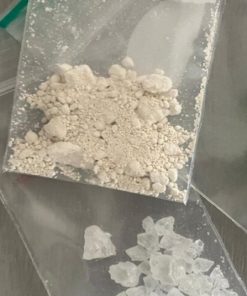
Crystalline Methamphetamine
Crystalline methamphetamine describes a physical presentation frequently associated with illicit methamphetamine.
Appearance cannot establish composition or purity.
Transparent crystals, white powders or tablets can contain:
- methamphetamine
- contaminants
- adulterants
- other psychoactive compounds
Laboratory testing is necessary for definitive identification.
How Do You Spell Methamphetamine?
The correct spelling is:
methamphetamine
“Meth” is an informal abbreviation.
Scientific and educational material should preferably use the complete chemical name where clarity matters.
Is Speed Methamphetamine?
Not necessarily.
Speed is informal stimulant slang.
Depending on location and historical context, it has been applied to amphetamine, methamphetamine and other stimulant preparations.
Slang is therefore unreliable for chemical identification.
Is Ritalin an Amphetamine?
No.
Ritalin contains methylphenidate.
Methylphenidate and amphetamine are both prescription CNS stimulants used in ADHD treatment, but they belong to different chemical classes.
Methylphenidate primarily inhibits dopamine and norepinephrine transporters.
Amphetamine has additional transporter-mediated releasing effects.
Is Ritalin Methamphetamine?
No.
Ritalin is not methamphetamine.
It is also not amphetamine.
The shared label “stimulant” describes a broad pharmacological effect rather than chemical identity.
External Educational Source
The U.S. Food and Drug Administration (FDA) provides information and safety communications concerning prescription stimulants:
FDA – Updating Warnings to Improve Safe Use of Prescription Stimulants
Over-the-Counter Amphetamines
Ordinary legitimate amphetamine medications are not over-the-counter medicines in the United States.
Prescription amphetamines are controlled substances.
Some OTC products can increase alertness or produce stimulant-like sensations, but that does not make them amphetamines.
Caffeine provides the clearest example.
It is a stimulant but chemically and pharmacologically distinct from amphetamine.
Amphetamine Medications
Prescription amphetamine-related medications include formulations containing:
- amphetamine
- dextroamphetamine
- mixed amphetamine salts
- lisdexamfetamine
Their clinical use requires medical supervision.
Prescription status matters because these medications can affect cardiovascular function, appetite, sleep and mental state while carrying misuse and dependence risks.
Amphetamine Drug Effects
Therapeutic and nonmedical amphetamine exposure can affect several physiological systems.
Possible stimulant effects include:
- increased alertness
- wakefulness
- reduced fatigue
- decreased appetite
- increased heart rate
- elevated blood pressure
Adverse effects can include:
- anxiety
- insomnia
- tremor
- palpitations
- irritability
- agitation
Risk generally becomes more concerning with uncontrolled or heavy exposure.
Heavy Amphetamine Use
Repeated high-risk amphetamine exposure can contribute to significant health problems.
Potential consequences include:
- chronic sleep deprivation
- nutritional problems
- weight loss
- cardiovascular stress
- anxiety
- mood disturbances
- compulsive use
- stimulant use disorder
- stimulant-induced psychosis
Individual outcomes depend on exposure patterns, underlying health and polysubstance use.
Amphetamine Addiction
Amphetamine can produce stimulant use disorder.
Potential warning signs include:
- strong cravings
- difficulty controlling use
- repeated unsuccessful attempts to stop
- continued use despite health problems
- neglecting responsibilities
- spending substantial time obtaining or recovering from stimulants
Addiction is a medical disorder for which professional treatment and behavioral interventions are available.
Amphetamine Abuse Symptoms
Possible amphetamine abuse symptoms can involve behavioral, cardiovascular and neurological changes.
Examples include:
- prolonged insomnia
- reduced appetite
- agitation
- anxiety
- rapid speech
- sweating
- palpitations
- unexplained weight loss
- compulsive patterns of use
No individual symptom proves stimulant misuse.
Clinical evaluation is necessary when the cause is uncertain.
Signs and Symptoms of Amphetamine Use
Possible signs of stimulant exposure include increased wakefulness, reduced appetite, restlessness, sweating and elevated heart rate.
Severe toxicity is different.
Emergency warning signs can include:
- chest pain
- extreme agitation
- severe hyperthermia
- hallucinations
- seizures
- abnormal heart rhythm
- loss of consciousness
Emergency medical services should be contacted when severe symptoms occur.
Amphetamine Drug Street Names
Historical slang for amphetamine-type stimulants includes terms such as speed and uppers.
Street names cannot establish chemical identity.
The same slang term can describe different substances in different regions.
Unregulated products can also contain ingredients completely different from what sellers or packaging claim.
What Drugs Show Up as Amphetamines?
Drug screening requires careful interpretation.
Initial urine immunoassays can sometimes produce presumptive amphetamine-positive results involving structurally related medications or cross-reacting substances.
A preliminary positive screen is therefore not necessarily definitive proof of illicit amphetamine or methamphetamine exposure.
More specific laboratory techniques can be used for confirmation when results carry important medical, occupational or legal consequences.
Medication history should also be considered.
5-APB Side Effects and Health Risks
Human safety data for 5-APB are much less extensive than data for established prescription stimulants.
Its pharmacology nevertheless creates several toxicological concerns.
Possible adverse effects associated with benzofuran stimulants include:
- rapid heartbeat
- increased blood pressure
- agitation
- anxiety
- sweating
- elevated body temperature
- insomnia
- confusion
Serotonergic activity introduces additional concern about serotonin toxicity.
Unknown concentrations and combinations with other psychoactive substances can make outcomes less predictable.
5-APB and Serotonin Toxicity
5-APB’s substantial serotonin activity deserves particular attention.
Serotonin toxicity can involve combinations of:
- agitation
- confusion
- sweating
- elevated temperature
- tremor
- muscle rigidity
- abnormal reflexes
- rapid heartbeat
Severe hyperthermia, seizures, profound confusion or unconsciousness requires emergency medical care.
Combining serotonergic substances can increase unpredictability and risk.
5-APB and Cardiovascular Concerns
Research demonstrating 5-HT2B agonism has raised a separate cardiovascular question.
Persistent activation of 5-HT2B receptors has been associated with heart-valve pathology in other pharmacological settings.
Evidence does not establish a specific human risk from a particular 5-APB exposure.
Instead, the receptor finding represents a scientifically plausible concern requiring additional research.
Research Chemical Does Not Mean Safe
The phrase research chemical does not establish safety, pharmaceutical quality or suitability for human consumption.
Emerging psychoactive compounds can have major uncertainties involving:
- pharmacokinetics
- metabolism
- interactions
- cardiovascular toxicity
- neurotoxicity
- dependence
- long-term effects
Unregulated products introduce another problem: their claimed identity and concentration may not match their actual contents.
For further educational exploration of emerging psychoactive substances, visit cannabinoidseller.com.
Frequently Asked Questions
1. What is 5-APB?
5-APB, or 5-(2-aminopropyl)benzofuran, is a psychoactive benzofuran studied as a new psychoactive substance. Research demonstrates activity involving dopamine, norepinephrine and serotonin systems.
2. Is 5-APB an amphetamine?
No. 5-APB is an aminopropylbenzofuran rather than amphetamine itself. Structural and pharmacological similarities make amphetamine and MDMA useful research comparisons.
3. What is the amphetamine mechanism of action?
Amphetamine increases monoamine signaling through actions involving dopamine and norepinephrine transporters, intracellular monoamine handling and neurotransmitter release.
4. Is Ritalin an amphetamine?
No. Ritalin contains methylphenidate. Although methylphenidate and amphetamine are both prescription CNS stimulants, their chemistry and pharmacology differ.
5. Is methamphetamine a controlled substance?
Yes. Methamphetamine is federally classified as a Schedule II controlled substance in the United States.
6. What are warning signs of amphetamine toxicity?
Severe agitation, hyperthermia, chest pain, seizures, hallucinations, abnormal heart rhythms or loss of consciousness can indicate a medical emergency and require urgent professional care.
Educational Resources
For further educational research into emerging psychoactive compounds, pharmacology and controlled substances, explore cannabinoidseller.com.
External educational references:
- PubMed – Pharmacology of 5-APB and related benzofurans
- DEA – Methamphetamine Drug Fact Sheet
- FDA – Prescription Stimulant Safety and Updated Warnings
These resources provide peer-reviewed pharmacology, federal controlled-substance information and official prescription-stimulant safety guidance.
| Quantity | 10grams, 50grams, 100grams, 500grams, 1kg, 5kg, 10kg |
|---|
Be the first to review “5-APB”
Related products
cannabinoids
Stimulants
sedative

cathinones
Stimulants

Stimulants
Stimulants
sedative

Reviews
There are no reviews yet.