4FADB-DICA Awareness Guide: Synthetic Cannabinoids vs Traditional Opioids Classes, Forensic Toxicology, and US Public Health Education
4FADB-DICA is a US public awareness topic in cannabinoid science, forensic toxicology, medicinal chemistry, analytical chemistry, and public health monitoring. Readers seeking educational information about 4FADB-DICA, synthetic cannabinoids vs traditional opioids, NPS vs prescription medications, and forensic toxicology vs clinical toxicology can begin with Cannabinoidseller’s forensic toxicology education hub for broader scientific learning resources.
What Is 4FADB-DICA?
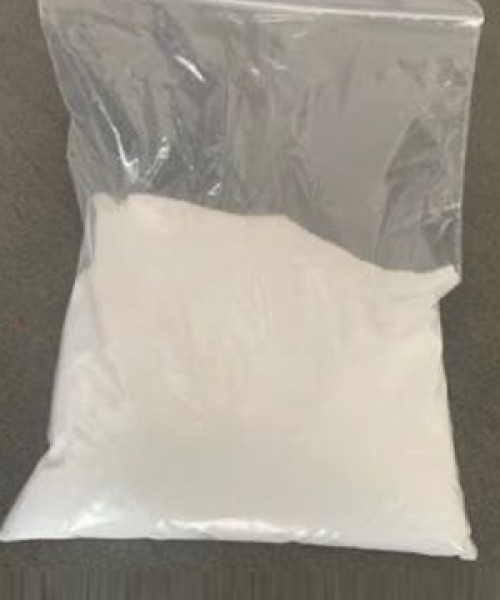
4FADB-DICA is a synthetic cannabinoid-related compound discussed in forensic toxicology, analytical chemistry, medicinal chemistry, pharmacology, and public health education. In the United States, 4FADB-DICA helps illustrate how scientists classify emerging synthetic compounds, compare toxicology frameworks, and understand modern laboratory identification systems.
Educational awareness improves scientific literacy around emerging substance classification and public health monitoring.
4FADB-DICA Scientific Background
4FADB-DICA is discussed in broader scientific education involving:
- cannabinoid science
- forensic toxicology
- analytical chemistry
- medicinal chemistry
- pharmacology education
- compound classification
- public health surveillance
Understanding scientific classification improves chemistry literacy.
Synthetic Cannabinoids vs Traditional Opioids
Synthetic cannabinoids vs traditional opioids is an educational comparison topic in toxicology science.
These are scientifically distinct categories.
Synthetic Cannabinoids
Synthetic cannabinoid discussions typically involve:
- cannabinoid receptor interaction frameworks
- synthetic analogue chemistry
- medicinal chemistry classification
- forensic toxicology monitoring
Traditional Opioids
Traditional opioid education commonly involves:
- opioid receptor pharmacology
- naturally derived or pharmaceutical opioid frameworks
- clinical toxicology discussions
- analgesic pharmacology education
Key Scientific Differences
Educational comparison includes:
- receptor family differences
- structural chemistry differences
- toxicology interpretation frameworks
- forensic classification systems
This comparison improves public scientific literacy.
NPS vs Prescription Medications
NPS vs prescription medications helps explain how emerging compounds differ from regulated therapeutic medications.
Novel Psychoactive Substances (NPS)
Educational NPS discussions often include:
- emerging synthetic compounds
- rapidly evolving analogue categories
- forensic toxicology monitoring
- public health surveillance
Prescription Medication Frameworks
Clinical medication education typically involves:
- therapeutic regulation frameworks
- standardized pharmaceutical classification
- clinical toxicology interpretation
- approved medicinal use contexts
Scientific Comparison
Scientists compare:
- intended classification context
- toxicology monitoring systems
- analytical detection frameworks
- medicinal chemistry organization
Readers interested in toxicology education can explore Cannabinoidseller’s analytical chemistry learning center.
Forensic Toxicology vs Clinical Toxicology
Forensic toxicology vs clinical toxicology is a foundational scientific comparison.
Forensic Toxicology
Forensic toxicology focuses on:
- investigative laboratory analysis
- unknown substance identification
- analytical confirmation
- evidentiary scientific workflows
Common tools include:
- gas chromatography (GC)
- liquid chromatography (LC)
- mass spectrometry
- analytical reference standards
Clinical Toxicology
Clinical toxicology focuses on:
- healthcare-related toxic exposure evaluation
- patient-centered toxicology interpretation
- biological monitoring frameworks
- diagnostic toxicology science
Key Differences
Educational comparison includes:
- investigation vs patient care focus
- laboratory workflow differences
- analytical interpretation goals
- documentation frameworks
Synthetic Cannabinoids Explained
Synthetic cannabinoids explained helps readers understand cannabinoid-related classification science.
Educational concepts include:
- structural analogue comparison
- molecular scaffold interpretation
- receptor-targeted pharmacology
- medicinal chemistry classification
Analytical Chemistry Education
Analytical chemistry remains central to awareness content involving 4FADB-DICA.
Chromatography Explained
Educational workflows commonly include:
- gas chromatography (GC)
- liquid chromatography (LC)
- confirmatory analytical separation
Mass Spectrometry Explained
Mass spectrometry helps identify compounds through:
- molecular fingerprinting
- fragmentation comparison
- confirmatory identification
- structural interpretation
Analytical Reference Standards
Reference standards support:
- identity confirmation
- reproducibility
- method validation
- quality assurance
Public Health Monitoring in the United States
US awareness education often explains why emerging compounds are monitored.
Trend Surveillance
Scientific systems monitor evolving analytical findings.
Public Safety Education
Educational awareness improves understanding of toxicology monitoring.
Scientific Literacy
Readers gain clearer understanding of forensic science and public health systems.
Relevant External Educational Resources
- National Institute on Drug Abuse (NIDA)
- American Chemical Society
- National Library of Medicine / PubMed
Frequently Asked Questions
What is 4FADB-DICA?
4FADB-DICA is a synthetic cannabinoid-related compound discussed in forensic toxicology education.
How are synthetic cannabinoids different from opioids?
They differ in chemistry, receptor systems, and toxicology classification frameworks.
What is the difference between forensic and clinical toxicology?
Forensic toxicology focuses on investigative analysis, while clinical toxicology focuses on healthcare interpretation.
What are novel psychoactive substances?
NPS are emerging compounds discussed in toxicology and public health education.
Why is public health monitoring important?
Monitoring supports scientific awareness, toxicology education, and public health literacy.
| Quantity | 10grams, 50grams, 100grams, 500grams, 1kg |
|---|
Be the first to review “4FADB-DICA”
Related products
cannabinoids
cannabinoids
cannabinoids

cannabinoids
cannabinoids
cannabinoids
cannabinoids
cannabinoids

Reviews
There are no reviews yet.