


4-FA (4-Fluoroamphetamine): Pharmacology, Amphetamine MOA, Effects and Methamphetamine Differences
What Is 4-FA?
4-FA, short for 4-fluoroamphetamine or para-fluoroamphetamine, is a synthetic psychoactive compound belonging to the substituted amphetamine family.
The molecule is structurally related to amphetamine but contains a fluorine atom at the 4-position of its aromatic ring. That apparently modest structural modification changes its pharmacological profile.
4-FA should not be confused with:
- amphetamine
- methamphetamine
- 4-FMA
- methylphenidate
- MDMA
Although these substances share some stimulant characteristics, they are chemically and pharmacologically distinct.
Research indicates that 4-FA influences the monoamine systems involving dopamine, norepinephrine and serotonin. Its relatively prominent serotonergic component is particularly important when comparing it with conventional amphetamine.
For additional educational exploration of emerging psychoactive compounds, visit cannabinoidseller.com.
4-FA Quick Facts
| Feature | 4-FA |
|---|---|
| Full name | 4-Fluoroamphetamine |
| Alternative name | para-Fluoroamphetamine |
| Chemical family | Substituted amphetamine |
| CNS stimulant | Yes |
| Dopamine activity | Yes |
| Norepinephrine activity | Yes |
| Serotonin activity | Significant |
| Same as amphetamine | No |
| Same as methamphetamine | No |
| Same as 4-FMA | No |
| Established U.S. prescription medicine | No |
This distinction matters because pharmacological similarities do not make related amphetamine derivatives interchangeable.
How Does 4-FA Work?
4-FA alters monoamine neurotransmission.
Three important neurotransmitters are involved:
Dopamine (DA) contributes to movement, motivation, attention, reinforcement and reward processing.
Norepinephrine (NE) contributes to alertness, attention and sympathetic nervous-system activity.
Serotonin (5-HT) influences mood, perception, temperature regulation and numerous other functions.
Experimental research examining fluorinated amphetamine compounds has shown activity involving the transporters responsible for these neurotransmitters.
The three major transporters are:
- DAT — dopamine transporter
- NET — norepinephrine transporter
- SERT — serotonin transporter
Research comparing para-substituted amphetamine derivatives found that 4-FA can influence monoamine release and has a more pronounced serotonergic component than conventional amphetamine.
4-FA vs. Amphetamine
4-FA is structurally derived from the amphetamine scaffold.
It is not simply pharmaceutical amphetamine with another name.
| Feature | 4-FA | Amphetamine |
|---|---|---|
| Amphetamine-family compound | Yes | Yes |
| Fluorine at para position | Yes | No |
| Dopamine effects | Yes | Strong |
| Norepinephrine effects | Yes | Strong |
| Serotonin component | More prominent | Generally less prominent |
| Established prescription medicine | No | Certain formulations |
| Clinical safety database | Limited | Extensive by comparison |
The fluorine substitution can influence transporter pharmacology and other molecular properties.
Consequently, pharmaceutical amphetamine safety information should not simply be transferred to 4-FA.
4-FA vs. 4-FMA
These names are easily confused.
4-FA = 4-fluoroamphetamine
4-FMA = 4-fluoromethamphetamine
4-FMA contains an additional methyl substitution on the amine nitrogen.
The two compounds are closely related structurally but remain separate substances.
This means research findings involving 4-FMA should not automatically be described as evidence about 4-FA, or vice versa.
Amphetamine MOA
The amphetamine MOA, or mechanism of action, involves several processes affecting monoamine neurotransmission.
Amphetamine interacts particularly strongly with dopamine and norepinephrine systems.
Its mechanism involves:
- dopamine transporter activity
- norepinephrine transporter activity
- intracellular monoamine handling
- vesicular monoamine transport
- transporter-mediated neurotransmitter release
Amphetamine can enter monoaminergic neurons through transport systems and alter the way neurotransmitters are stored and transported.
The resulting increase in extracellular dopamine and norepinephrine contributes to stimulant effects.
Amphetamine Mode of Action
A simplified amphetamine mode of action can be represented as:
amphetamine enters monoaminergic neurons → intracellular monoamine handling changes → transporter-mediated dopamine and norepinephrine release increases → extracellular monoamine signaling rises
The actual cellular pharmacology is more complicated.
Amphetamine therefore differs mechanistically from caffeine, which primarily antagonizes adenosine receptors, and methylphenidate, which acts predominantly through monoamine-transporter inhibition rather than the same releasing mechanism.
What Do Amphetamines Do to the Brain?
Amphetamines increase signaling within several brain systems.
Dopamine changes contribute to:
- attention
- motivation
- movement
- reinforcement
Norepinephrine changes contribute to:
- wakefulness
- alertness
- sympathetic activation
At medically supervised exposures, these properties contribute to the therapeutic effects of certain prescription stimulants.
Uncontrolled or heavy exposure can instead contribute to insomnia, anxiety, cardiovascular stress and compulsive use.
What Are Amphetamines?
Amphetamines are CNS stimulants related to the amphetamine chemical scaffold.
Examples encountered in medicine include:
- amphetamine
- dextroamphetamine
- mixed amphetamine salts
- lisdexamfetamine
Methamphetamine is chemically related but represents a distinct compound.
4-FA belongs to the broader substituted-amphetamine family but is not an ordinary prescription amphetamine medication.
Examples of Amphetamine Medications
Prescription amphetamine-related active ingredients include:
Amphetamine
The parent compound from which the drug-family terminology originates.
Dextroamphetamine
The dextrorotatory stereoisomer of amphetamine.
Mixed Amphetamine Salts
A pharmaceutical combination of amphetamine salts associated with Adderall formulations.
Lisdexamfetamine
A prodrug that is converted to active dextroamphetamine after administration.
These medications should not be confused with unapproved designer amphetamine derivatives.
Amphetamine Brand Names
Brand names associated historically or currently with amphetamine-related medications in the United States have included:
- Adderall
- Adderall XR
- Mydayis
- Evekeo
- Dexedrine
- Vyvanse
The products do not contain identical active ingredients.
For example, Vyvanse contains lisdexamfetamine, while Dexedrine is associated with dextroamphetamine.
Amphetamine Sulfate
Amphetamine sulfate is a salt form of amphetamine.
In British English, it is commonly written amphetamine sulphate.
Pharmaceutical salt formation can affect properties relevant to formulation, stability and manufacturing.
The term should not be used to identify an unknown powder based on appearance.
Chemical identity requires appropriate analytical testing.
Amphetamine Sulfate Brand Name
A prescription product associated with amphetamine sulfate in the United States has been Evekeo.
Brand availability and approved formulations can change.
The active ingredient and current prescribing information therefore provide more reliable information than brand-name recognition alone.
What Does an Amphetamine Bottle Prove?
An amphetamine bottle generally refers to a pharmacy container used to dispense a prescription stimulant.
A legitimate pharmacy label normally identifies:
- medication
- strength
- dispensing pharmacy
- patient
- prescribing professional
- instructions
The container alone cannot authenticate unknown tablets placed inside it.
Medication identity should be verified using the original pharmacy packaging or by consulting a pharmacist.
Dextroamphetamine vs. Methamphetamine
Methamphetamine and Dextroamphetamine are related but distinct compounds.
Dextroamphetamine is the d-isomer of amphetamine.
Methamphetamine contains an additional methyl group on its amine nitrogen.
This structural difference affects properties including:
- lipophilicity
- pharmacokinetics
- metabolism
- CNS distribution
Both influence dopamine and norepinephrine signaling strongly.
They should nevertheless never be treated as identical drugs.
Amphetamine vs. Methamphetamine
The difference between methamphetamine and amphetamine begins with molecular structure.
Methamphetamine is an N-methylated derivative of amphetamine.
A basic comparison illustrates the distinction:
| Feature | Amphetamine | Methamphetamine |
|---|---|---|
| CNS stimulant | Yes | Yes |
| Same molecule | No | No |
| Dopamine effects | Strong | Strong |
| Norepinephrine effects | Strong | Strong |
| Established U.S. medical context | Yes | Very limited |
| Federal controlled status | Schedule II | Schedule II |
The substances share pharmacological features but differ sufficiently that using the names interchangeably is inaccurate.
Is Amphetamine Meth?
No.
Amphetamine is not methamphetamine.
Methamphetamine belongs to the substituted amphetamine family, but it represents a separate molecule.
Likewise, 4-FA is related to amphetamine but should not simply be called amphetamine.
Amphetamines vs. Meth
Searches for amphetamines vs meth frequently compare prescription amphetamine products with illicit methamphetamine.
That comparison introduces manufacturing and regulatory differences in addition to pharmacology.
Legitimate prescription medicines have:
- standardized ingredients
- controlled manufacturing
- known strengths
- regulatory oversight
- pharmacy dispensing
- medical supervision
An unregulated substance does not provide these safeguards.
Is Methamphetamine a Depressant?
No.
Methamphetamine is primarily a central nervous system stimulant.
Its effects can include:
- increased wakefulness
- increased activity
- appetite suppression
- increased heart rate
- elevated blood pressure
Severe toxicity can involve agitation, paranoia, hyperthermia, cardiovascular complications and seizures.
What Schedule Is Methamphetamine?
Methamphetamine is federally classified as a Schedule II controlled substance in the United States.
Schedule II substances can have recognized medical applications while carrying a high potential for misuse.
The limited existence of a medical methamphetamine formulation does not make unauthorized possession or distribution lawful.
Is Methamphetamine a Controlled Substance?
Yes.
Methamphetamine is a federally controlled substance in the United States.
The DEA methamphetamine fact sheet identifies it as a Schedule II stimulant.
Amphetamine and methylphenidate are also controlled substances, although they are separate chemicals.
Is Methamphetamine Illegal?
Unauthorized manufacture, distribution or possession of methamphetamine violates U.S. controlled-substance laws.
A narrow medical context exists for prescription methamphetamine.
Therefore, describing methamphetamine specifically as a Schedule II controlled substance is more precise than claiming that the molecule is illegal in every conceivable circumstance.
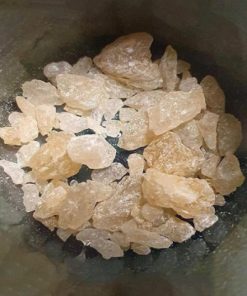
Crystalline Methamphetamine
Crystalline methamphetamine, often called crystal meth, describes a physical form associated primarily with illicit methamphetamine.
Appearance does not establish:
- purity
- concentration
- chemical identity
- contaminants
- safety
Unknown crystalline material requires forensic chemical analysis for reliable identification.
How Do You Spell Methamphetamine?
The standard spelling is:
methamphetamine
“Meth” is an informal abbreviation.
The similarity between names such as amphetamine, methamphetamine and fluoromethamphetamine reflects chemical relationships, but each name refers to a specific molecular structure.
Is Speed Methamphetamine?
Not necessarily.
Speed is slang rather than a chemical name.
Depending on location and context, it has historically referred to amphetamine, methamphetamine or other stimulant preparations.
Street terminology cannot reliably establish chemical identity.
Is Ritalin an Amphetamine?
No.
Ritalin contains methylphenidate, not amphetamine.
Both medications belong to the broader CNS-stimulant category and can be prescribed for ADHD.
Their pharmacological mechanisms differ.
Methylphenidate acts predominantly through inhibition of dopamine and norepinephrine transporters.
Amphetamine has important transporter-mediated monoamine-releasing effects in addition to other intracellular actions.
Is Ritalin Methamphetamine?
No.
Ritalin is neither amphetamine nor methamphetamine.
Its active ingredient is methylphenidate.
The shared ability of these medications to stimulate the CNS does not make them chemically interchangeable.
Over-the-Counter Amphetamines
There are no ordinary legitimate over-the-counter amphetamine medications equivalent to prescription amphetamine products in the United States.
Prescription amphetamines are controlled drugs.
Some OTC products contain substances that can increase alertness or produce stimulating effects, but that does not make them amphetamines.
Caffeine, for example, is a stimulant but belongs to the methylxanthine family and works mainly through adenosine-receptor antagonism.
Prescription Amphetamines
Prescription amphetamines can have legitimate roles in treating conditions such as ADHD and, depending on the formulation, narcolepsy.
Medical use involves standardized pharmaceutical products and professional supervision.
The FDA has strengthened class-wide warnings for prescription stimulants concerning:
- misuse
- abuse
- addiction
- overdose
- diversion
Those warnings reinforce why prescription status should not be interpreted as absence of risk.
Heavy Amphetamine Use
Heavy amphetamine use can substantially increase health risks.
Potential consequences include:
- severe sleep disruption
- appetite and nutritional problems
- cardiovascular stress
- anxiety
- mood disturbances
- compulsive use
- stimulant-induced psychosis
- stimulant use disorder
Risk varies with the substance, exposure pattern, individual physiology and use of additional drugs.
Amphetamine Addiction
Amphetamine can produce stimulant use disorder.
Possible warning signs include:
- strong cravings
- difficulty controlling use
- unsuccessful attempts to reduce use
- continuing despite harm
- neglecting responsibilities
- compulsive drug-seeking behavior
- spending increasing time using or recovering
Addiction represents a treatable medical condition.
Signs of Amphetamine Abuse
Potential signs of amphetamine abuse can include behavioral and physiological changes.
Examples include:
- persistent insomnia
- agitation
- anxiety
- decreased appetite
- unexplained weight loss
- rapid speech
- sweating
- palpitations
- increasingly compulsive patterns of use
No single sign proves that someone is using amphetamine.
Other drugs and medical conditions can produce similar symptoms.
Amphetamine Symptoms and Severe Toxicity
Typical stimulant effects should be distinguished from severe poisoning.
Emergency warning signs can include:
- extreme agitation
- chest pain
- dangerous overheating
- severe confusion
- hallucinations
- seizures
- abnormal heart rhythms
- loss of consciousness
Someone experiencing these symptoms after suspected stimulant exposure needs urgent medical evaluation.
Amphetamine Drug Street Names
Informal terms historically associated with amphetamine-type stimulants include speed and uppers.
Street terminology changes across regions and time.
An unregulated product carrying a familiar name may contain an entirely different drug.
Consequently, slang is unsuitable for reliable chemical identification.
What Drugs Show Up as Amphetamines?
Initial drug-screening immunoassays can sometimes produce presumptive amphetamine-positive results from structurally related compounds or cross-reacting medications.
A screening result is therefore not always definitive.
More specific laboratory techniques can distinguish amphetamine, methamphetamine and related substances when confirmation is required.
Medication history should also be considered by the relevant healthcare or laboratory professional.
4-FA Health Risks
4-FA presents additional concerns because it combines stimulant and serotonergic pharmacology.
Potential adverse effects can involve:
- increased heart rate
- elevated blood pressure
- anxiety
- agitation
- sweating
- insomnia
- elevated body temperature
However, cardiovascular complications deserve particular attention.
Clinical reports have linked 4-FA exposure with severe cardiovascular events, including cerebral hemorrhage and cardiac complications.
This history makes 4-FA an important example of why a novel stimulant cannot be considered safe simply because some subjective effects may resemble better-known drugs.
4-FA and Cardiovascular Complications
One of the most important bodies of human evidence comes from reported 4-FA intoxications in the Netherlands.
Clinical researchers documented severe cardiovascular complications after 4-FA exposure, including cerebral hemorrhage and cardiac problems.
These observations are important because otherwise healthy or relatively young individuals can still experience serious stimulant-related cardiovascular emergencies.
Symptoms such as severe headache, chest pain, neurological abnormalities, seizures or loss of consciousness require urgent medical attention.
4-FA and Serotonin
4-FA’s serotonin activity distinguishes it from a simple catecholamine-dominant stimulant profile.
Excessive serotonergic activity can contribute to symptoms associated with serotonin toxicity.
Potential warning signs include:
- agitation
- confusion
- sweating
- elevated temperature
- tremor
- abnormal muscle activity
- rapid heartbeat
Severe hyperthermia, seizures or profound altered consciousness require emergency medical care.
Why 4-FA Is Not a Prescription Amphetamine Substitute
Structural similarity to amphetamine does not establish therapeutic equivalence.
Prescription amphetamine medications have:
- standardized formulations
- controlled manufacturing
- approved indications
- established prescribing information
- clinical safety monitoring
- pharmacy oversight
4-FA does not have the same established medical framework.
Using the phrase “research chemical” likewise does not demonstrate pharmaceutical quality, safety or suitability for human consumption.
For additional educational material about emerging psychoactive substances, visit cannabinoidseller.com.
Frequently Asked Questions
1. What is 4-FA?
4-FA is 4-fluoroamphetamine, a substituted amphetamine with stimulant and serotonergic properties. It is chemically related to amphetamine but is a separate psychoactive compound.
2. What is the amphetamine MOA?
Amphetamine increases monoamine signaling through actions involving dopamine and norepinephrine transporters, intracellular monoamine handling and transporter-mediated neurotransmitter release.
3. What is the difference between amphetamine and methamphetamine?
Methamphetamine is an N-methylated derivative of amphetamine. Both are CNS stimulants, but they are distinct molecules with differences in pharmacokinetics and CNS pharmacology.
4. Is Ritalin an amphetamine or methamphetamine?
Neither. Ritalin contains methylphenidate, a separate CNS stimulant that primarily inhibits dopamine and norepinephrine transporters.
5. Is methamphetamine a controlled substance?
Yes. Methamphetamine is a Schedule II controlled substance under U.S. federal law.
6. What do amphetamines do to the brain?
Amphetamines increase monoamine signaling, particularly dopamine and norepinephrine. This can increase attention and wakefulness but also contributes to cardiovascular effects, dependence and toxicity when exposure becomes uncontrolled.
Educational Resources
For additional educational exploration of research chemicals and stimulant pharmacology, visit cannabinoidseller.com.
1. PubMed — Pharmacology of 4-Fluoroamphetamine
Peer-reviewed experimental research examines the monoamine-transporter pharmacology of 4-FA and related para-substituted amphetamines.
PubMed — Pharmacological Effects of Para-Substituted Amphetamines
2. PubMed — Severe 4-FA Cardiovascular Toxicity
Clinical research documents serious cardiovascular complications associated with 4-fluoroamphetamine intoxication.
PubMed — 4-Fluoroamphetamine and Severe Cardiovascular Events
3. U.S. Drug Enforcement Administration — Methamphetamine
The DEA provides authoritative information about methamphetamine, its stimulant classification and Schedule II controlled status.
DEA — Methamphetamine Drug Fact Sheet
For additional educational research into emerging stimulants and controlled substances, visit cannabinoidseller.com and the educational material available through cannabinoidseller.com.
Be the first to review “4-FA”
Related products
Psychedelic
cathinones

cathinones

Stimulants
cathinones
cathinones

Stimulants

Reviews
There are no reviews yet.