
3,4-DNMA (3,4-DIHYDROXYMETHAMPHETAMINE): METHAMPHETAMINE CLASSIFICATION, METHADONE WITHDRAWAL AND PRESCRIPTION STIMULANTS EXPLAINED
What Is 3,4-DNMA (3,4-Dihydroxymethamphetamine)?
3 4-DNMA (3 4-DIHYDROXYMETHAMPHETAMINE), is a methamphetamine-related chemical whose name describes a methamphetamine framework bearing two hydroxyl groups on the aromatic ring.
It should not be treated as another name for methamphetamine itself.
The distinction is chemically important because adding hydroxyl groups to a molecule can substantially change properties such as:
- polarity
- metabolism
- distribution
- receptor or transporter interactions
- ability to cross biological membranes
Consequently, well-established information about methamphetamine should not automatically be presented as direct evidence about 3,4-DNMA.
Human pharmacological information about obscure methamphetamine-related metabolites or analogues is also much more limited than the enormous evidence base surrounding methamphetamine.
For additional educational information about psychoactive and research compounds, visit cannabinoidseller.com.
3,4-DNMA Is Not Ordinary Methamphetamine
The names look similar because they share a methamphetamine-related chemical framework.
They remain distinct chemical entities.
| Feature | 3,4-DNMA | Methamphetamine |
|---|---|---|
| Methamphetamine-related structure | Yes | Parent compound |
| 3,4-dihydroxy substitution | Yes | No |
| Same molecule | No | Yes |
| Extensive human clinical data | Limited | Extensive |
| Established CNS stimulant classification | Should not be assumed solely from name | Yes |
| U.S. prescription form exists | No established role | Yes, restricted |
| Schedule II methamphetamine rules automatically identical | Do not assume | Yes |
Structural relationship does not establish pharmacological equivalence.
What Is Meth Short For?
Meth is common slang for methamphetamine.
Methamphetamine is a synthetic psychostimulant belonging to the amphetamine family.
The informal term can appear in phrases such as:
- crystal meth
- methamphetamine
- meth use
- meth addiction
In scientific and medical writing, “methamphetamine” is preferable because it identifies the actual substance.
How Do You Spell Methamphetamine?
For searches asking how do you spell methamphetamine, the correct spelling is:
M-E-T-H-A-M-P-H-E-T-A-M-I-N-E
The standard word is:
methamphetamine
Common misspellings include forms that omit letters or incorrectly separate “meth” and “amphetamine.”
What Class Is Meth?
The simplest answer to what class is meth is:
Methamphetamine is a central nervous system stimulant.
Chemically, it belongs to the substituted amphetamine family.
Pharmacologically, it is a powerful psychomotor stimulant.
Under U.S. federal controlled-substance law, methamphetamine is classified in Schedule II.
These are separate classifications:
Chemical class → substituted amphetamine
Pharmacological class → CNS stimulant
Federal legal class → Schedule II controlled substance
Meth and Amphetamines
The phrase meth and phetamines generally refers to methamphetamine and amphetamine-type stimulants.
Methamphetamine is chemically related to amphetamine.
However:
amphetamine ≠ methamphetamine
They are separate molecules.
Both influence monoamine neurotransmission involving:
- dopamine
- norepinephrine
Their pharmacokinetics and pharmacological characteristics are not identical.
How Methamphetamine Affects Monoamines
Methamphetamine strongly affects monoamine neurotransmission.
Important neurotransmitters include:
Dopamine
Involved in:
- motivation
- movement
- reinforcement
- reward learning
Norepinephrine
Important for:
- alertness
- arousal
- sympathetic activity
Serotonin
Involved in numerous processes including mood, sleep and appetite.
Methamphetamine can increase extracellular monoamine concentrations through transporter-mediated and intracellular mechanisms.
Dopamine Transporters and Methamphetamine
Methamphetamine interacts strongly with the dopamine transporter, but it should not be described simply as a conventional reuptake blocker like cocaine.
Methamphetamine can enter neurons through monoamine transporters.
It then alters intracellular monoamine handling and promotes neurotransmitter release.
A simplified distinction is:
Cocaine → primarily transporter blockade
Methamphetamine → transporter substrate + increased monoamine release and intracellular effects
Both can increase extracellular dopamine, but through different pharmacological processes.
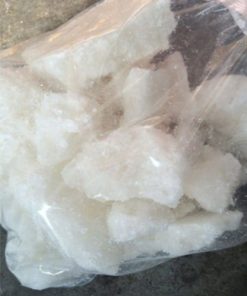
Crystalline Methamphetamine
Crystalline methamphetamine refers to a crystalline form of methamphetamine, commonly called “crystal meth.”
Appearance does not establish purity.
Crystals can vary in:
- size
- transparency
- contamination
- composition
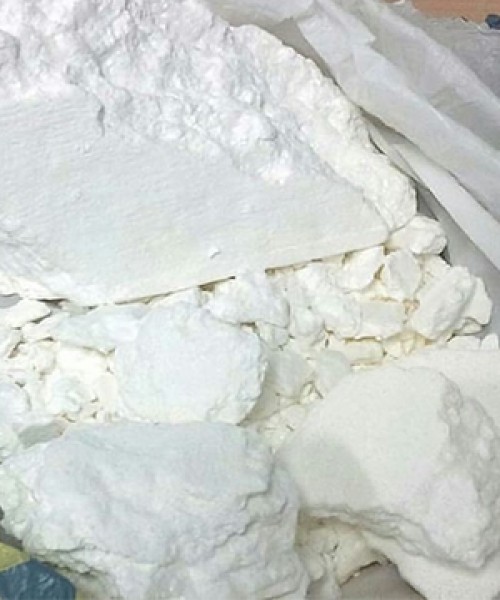
An unknown crystal cannot reliably be identified as methamphetamine merely from visual appearance.
Forensic laboratories use analytical methods such as chromatography and mass spectrometry for identification.
Is Meth a Stimulant, Depressant or Hallucinogen?
Methamphetamine is a stimulant.
It is not primarily classified as a CNS depressant.
It is also not a classic hallucinogen.
Its stimulant effects can include increased:
- alertness
- wakefulness
- activity
- heart rate
- blood pressure
However, severe stimulant intoxication can sometimes produce hallucinations, paranoia or psychosis.
Those adverse effects do not reclassify methamphetamine as a classic hallucinogen.
Is Meth a Depressant?
No.
Methamphetamine is not classified as a depressant.
CNS depressants include substances such as:
- benzodiazepines
- barbiturates
- alcohol
Methamphetamine generally produces increased CNS and sympathetic activity.
Is Methamphetamine a Depressant?
Again, methamphetamine is a CNS stimulant, not a depressant.
Confusion sometimes arises because a person may experience profound tiredness or low mood after stimulant effects subside.
A post-stimulant “crash” does not change the drug’s pharmacological classification.
What Schedule Is Methamphetamine?
Under current U.S. federal law, methamphetamine is a Schedule II controlled substance.
Schedule II substances have:
- accepted medical uses under restrictions
- significant potential for misuse
- potential for severe psychological or physical dependence
Methamphetamine’s Schedule II status sometimes surprises people because illicit methamphetamine is strongly associated with illegal drug markets.
Is Methamphetamine a Controlled Substance?
Yes.
Methamphetamine is federally controlled in the United States under Schedule II of the Controlled Substances Act.
DEA lists methamphetamine as a Schedule II stimulant.
Its legal status therefore differs from a Schedule I substance.
Schedule 1 Meth: Is Methamphetamine Schedule I?
The search phrase schedule 1 meth can create confusion.
Methamphetamine itself is not Schedule I under current U.S. federal law.
It is Schedule II.
This matters because Schedule I and Schedule II have different statutory definitions.
Schedule II substances can have accepted medical uses under strict controls.
Does Methamphetamine Have a Medical Use?
A prescription methamphetamine product has existed under the brand name Desoxyn.
Its medical use is highly restricted.
This pharmaceutical context should be clearly distinguished from illicitly manufactured methamphetamine.
A controlled prescription product has standardized manufacturing and prescribing information.
Illicit methamphetamine does not.
Is Adderall Methylphenidate?
No. Adderall is not methylphenidate.
Adderall contains mixed amphetamine salts.
Its active amphetamine components include dextroamphetamine and levoamphetamine forms.
Methylphenidate is a separate stimulant molecule.
Both can be used medically for ADHD, but they are not the same drug.
Does Adderall Have Methylphenidate?
No.
Adderall does not contain methylphenidate.
Adderall contains mixed amphetamine salts.
This distinction can be summarized simply:
Adderall → amphetamine salts
Ritalin → methylphenidate
Both are prescription CNS stimulants, but their active ingredients differ.
Is Ritalin Methamphetamine?
No. Ritalin is not methamphetamine.
Ritalin is a brand name for methylphenidate.
Methamphetamine is a different chemical.
| Product/substance | Active chemical/class |
|---|---|
| Ritalin | Methylphenidate |
| Adderall | Mixed amphetamine salts |
| Desoxyn | Methamphetamine |
| Methamphetamine | Amphetamine-type stimulant |
| 3,4-DNMA | Distinct methamphetamine-related compound |
These names should not be used interchangeably.
How Methylphenidate Works
Methylphenidate increases catecholamine signaling primarily through inhibition of:
- dopamine transporters
- norepinephrine transporters
This reduces reuptake of dopamine and norepinephrine.
Amphetamine drugs have a different mechanism that includes transporter-substrate activity and increased monoamine release.
This pharmacological distinction remains important even when both drugs can be prescribed for ADHD.
Adderall and Dopamine
Amphetamine components in Adderall increase extracellular dopamine and norepinephrine.
Current prescribing information describes amphetamines as blocking catecholamine reuptake and increasing monoamine release into the extracellular space.
Therapeutic use under medical supervision should not be equated with nonmedical stimulant exposure.
Is Speed Methylphenidate?
Not necessarily—and usually not in conventional drug terminology.
“Speed” is an informal street term most commonly associated with amphetamine or sometimes methamphetamine, depending on region and context.
Methylphenidate is a separate pharmaceutical stimulant.
Because street terminology is inconsistent, the word “speed” cannot reliably identify a chemical.
Street Names Are Not Chemical Identification
Terms such as:
- meth
- crystal
- speed
- ice
can be inconsistent across locations and drug markets.
Chemical identification requires analytical evidence.
Unknown powders or crystals may contain:
- another stimulant
- mixtures
- adulterants
- unexpected substances
This is one reason appearance and slang names are unreliable.
3,4-DNMA Is Not Methadone
The supporting keyword methadone withdrawal symptoms concerns a completely different drug family.
Despite the shared “meth” letters:
methamphetamine → stimulant
methadone → opioid
Methadone is a long-acting μ-opioid receptor agonist used medically, including in opioid use disorder treatment.
It does not belong to the amphetamine family.
Methadone Withdrawal Symptoms
Methadone withdrawal symptoms can occur when a physically dependent person substantially reduces or stops methadone exposure.
Possible opioid-withdrawal symptoms include:
- anxiety
- restlessness
- sweating
- yawning
- watery eyes
- runny nose
- insomnia
- muscle aches
- abdominal cramping
- nausea
- vomiting
- diarrhea
- goosebumps
- dilated pupils
Methadone is long acting, so withdrawal can develop differently from withdrawal from shorter-acting opioids.
Methadone Withdrawal Can Be Prolonged
Compared with short-acting opioids, withdrawal from methadone may begin later and last longer.
The exact course varies according to:
- treatment duration
- individual physiology
- other medications
- health status
- pattern of opioid exposure
A universal withdrawal timetable should therefore not be used to guide an individual taper.
Methadone Should Not Be Stopped Abruptly Without Medical Guidance
For a person receiving methadone treatment, medication changes should be discussed with the treating healthcare professional or opioid treatment program.
Abrupt discontinuation can cause significant withdrawal and increase the likelihood of return to uncontrolled opioid use.
After loss of opioid tolerance, returning to a previously tolerated opioid amount can also increase overdose risk.
Evidence-based treatment focuses on sustained recovery and overdose prevention rather than simply completing detoxification.
Methadone Versus Methamphetamine
| Feature | Methadone | Methamphetamine |
|---|---|---|
| Main drug family | Opioid | Amphetamine stimulant |
| Major receptor/system | μ-opioid receptor | Monoamine systems |
| CNS stimulant | No | Yes |
| Used for opioid use disorder | Yes | No |
| Respiratory depression possible | Yes | Not defining mechanism |
| Schedule II in U.S. | Yes | Yes |
| Same drug | No | No |
Two drugs can occupy the same federal schedule while having completely different pharmacology.
Schedule Does Not Equal Drug Class
This distinction is important.
A DEA schedule is a legal classification.
It does not tell you whether a substance is:
- stimulant
- opioid
- depressant
- hallucinogen
For example, methadone and methamphetamine are both Schedule II federally but belong to completely different pharmacological families.
Stimulant Toxicity
Severe methamphetamine or other stimulant toxicity can involve:
- extreme agitation
- confusion
- severe anxiety
- hallucinations
- chest pain
- abnormal heart rhythm
- severe hypertension
- dangerous hyperthermia
- seizures
- collapse
Severe symptoms require urgent medical attention.
Methamphetamine and Hallucinations
Hallucinations can occur during severe stimulant intoxication or stimulant-induced psychosis.
This does not make methamphetamine a classic hallucinogen.
Classic psychedelics such as LSD and psilocybin have different characteristic receptor pharmacology, particularly involving serotonergic 5-HT2A signaling.
Drug classification depends on predominant pharmacology rather than every symptom that can occur during toxicity.
Prescription Stimulants Versus Illicit Stimulants
Prescription stimulants are manufactured under regulated pharmaceutical standards and prescribed for specific medical indications.
Examples include:
- methylphenidate
- dexmethylphenidate
- amphetamine salts
- lisdexamfetamine
Their existence does not imply that nonmedical stimulant use is safe.
Likewise, an obscure research chemical should not be treated as a substitute for an approved ADHD medication.
Why 3,4-DNMA Requires Cautious Interpretation
The amount of scientific evidence available for 3,4-DNMA is not comparable with the evidence available for methamphetamine, methylphenidate or amphetamine.
Therefore, responsible scientific discussion should avoid assigning it an unsupported:
- human dose
- duration
- potency
- half-life
- safety threshold
- dependence profile
Structural similarity alone cannot answer these questions.
Research Chemical Does Not Mean Approved Medicine
A compound being described in research literature does not establish:
- medical approval
- therapeutic effectiveness
- safety
- pharmaceutical purity
- standardized concentration
- legal status
Research compounds require compound-specific evidence.
For further educational information about psychoactive compounds, visit cannabinoidseller.com.
Frequently Asked Questions
1. What is 3,4-DNMA?
3,4-DNMA refers here to 3,4-dihydroxymethamphetamine, a methamphetamine-related chemical distinguished by hydroxyl substitutions on its aromatic ring. It should not be treated as identical to methamphetamine.
2. What class is meth?
Methamphetamine is pharmacologically a central nervous system stimulant and chemically an amphetamine derivative. Under current U.S. federal law, methamphetamine is a Schedule II controlled substance.
3. Is methamphetamine a depressant or hallucinogen?
No. Methamphetamine is primarily classified as a stimulant. Severe intoxication can cause hallucinations or psychosis, but this does not make it a classic hallucinogen.
4. Is Adderall methylphenidate?
No. Adderall contains mixed amphetamine salts. Methylphenidate is a different stimulant and is the active ingredient in products such as Ritalin.
5. Is Ritalin methamphetamine?
No. Ritalin contains methylphenidate. Methamphetamine is a chemically different stimulant. Prescription methamphetamine has historically been marketed as Desoxyn.
6. What are methadone withdrawal symptoms?
Methadone withdrawal can involve anxiety, restlessness, sweating, insomnia, muscle aches, abdominal cramping, nausea, vomiting and diarrhea. Because methadone is long acting, withdrawal can be prolonged, and medication changes should be managed with appropriate medical guidance.
Educational Resources
For additional educational information about research chemicals and drug pharmacology, visit cannabinoidseller.com.
DEA — Methamphetamine
DEA identifies methamphetamine as a powerful stimulant and a Schedule II controlled substance under U.S. federal law.
Read DEA information about methamphetamine
DailyMed — Adderall
Official prescribing information identifies Adderall as a mixed-amphetamine-salts medication and describes its CNS stimulant pharmacology.
Read Adderall prescribing information on DailyMed
SAMHSA — Methadone
SAMHSA provides evidence-based information about methadone and its role in opioid use disorder treatment.
Read SAMHSA methadone information
For additional research-oriented educational material, visit cannabinoidseller.com and its educational research resources.
| Quantity | 10grams, 50grams, 100grams, 500grams, 1kg, 5kg, 10kg |
|---|
Be the first to review “3 4-DNMA (3 4-DIHYDROXYMETHAMPHETAMINE)”
Related products
New

New
New
New
New

Reviews
There are no reviews yet.