
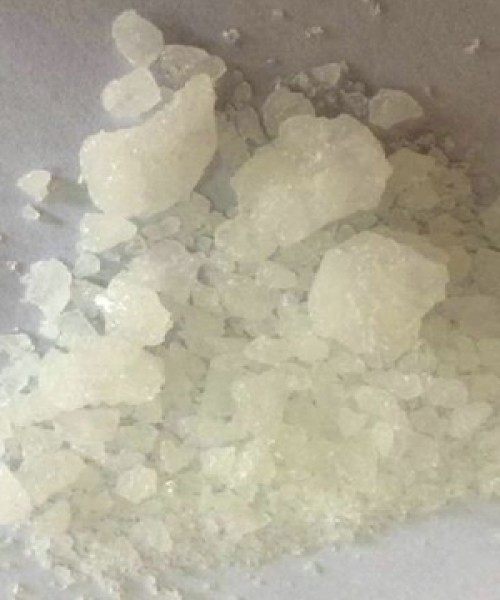


3-CMC: Synthetic Cathinone Pharmacology, Designer Drugs, Legal Highs and Health Risks
What Is 3-CMC?
3-CMC, or 3-chloromethcathinone, is a synthetic cathinone and new psychoactive substance that produces stimulant effects.
Its full chemical name is 1-(3-chlorophenyl)-2-(methylamino)propan-1-one.
The European Union Drugs Agency has monitored 3-CMC as a new psychoactive substance since 2014. The agency describes it as an N-alkylated, ring-substituted cathinone related to methcathinone and 4-CMC.
Synthetic cathinones are chemically related to cathinone, the naturally occurring stimulant found in the khat plant.
That relationship does not make 3-CMC natural or medically established.
It is a laboratory-created psychoactive compound studied mainly within toxicology, forensic chemistry, pharmacology and public-health surveillance.
For additional educational exploration of emerging psychoactive compounds, visit cannabinoidseller.com.
3-CMC Quick Facts
| Feature | 3-CMC |
|---|---|
| Full name | 3-Chloromethcathinone |
| Chemical family | Synthetic cathinone |
| General effect | CNS stimulant |
| New psychoactive substance | Yes |
| Dopamine transporter activity | Yes |
| Norepinephrine transporter activity | Yes |
| Established prescription medicine | No |
| Same as 3-MMC | No |
| Same as 4-CMC | No |
| Same as fentanyl | No |
| Same as a benzodiazepine | No |
The distinctions matter because unrelated drug classes can have very different overdose risks and treatment needs.
How Does 3-CMC Work?
Modern research suggests that 3-CMC acts primarily through monoamine transport systems.
Three important transporters are:
- DAT — dopamine transporter
- NET — norepinephrine transporter
- SERT — serotonin transporter
A 2026 laboratory study profiling dozens of traditional and emerging stimulants found that chloromethcathinones such as 3-CMC showed an amphetamine-like uptake-inhibition profile, with comparable activity at dopamine and norepinephrine transporters.
Dopamine contributes to reinforcement, motivation and movement.
Norepinephrine is strongly involved in alertness and sympathetic nervous-system activation.
Interfering with these systems can therefore produce both desired stimulant sensations and potentially dangerous cardiovascular or neurological effects.
3-CMC vs. Amphetamine
Both compounds can stimulate the central nervous system.
They are not the same chemical.
3-CMC belongs to the synthetic cathinone family.
Amphetamine belongs to the substituted amphetamine family.
Their overlapping effects on DAT and NET help explain similarities in stimulant activity, but structural differences can affect potency, metabolism and toxicity.
The broader NPS literature shows that synthetic cathinones can produce pharmacological profiles ranging from amphetamine-like stimulation to more serotonergic effects depending on molecular structure.
3-CMC vs. 3-MMC
3-CMC and 3-MMC are also different compounds.
3-MMC contains a methyl substitution.
3-CMC contains a chlorine substitution.
Both belong to the synthetic cathinone family, yet their chemistry, metabolism and pharmacological profiles are not interchangeable.
This distinction is particularly important when reading online material, because names of cathinones can look deceptively similar.
3-CMC vs. 4-CMC
3-CMC and 4-CMC are positional isomers.
The chlorine atom occurs at a different position on the aromatic ring.
3-CMC carries it at the 3-position.
4-CMC carries it at the 4-position.
Even a positional change like this can alter transporter interactions and metabolism.
Research concerning 4-CMC should therefore not automatically be applied to 3-CMC.
3-CMC Acute Health Effects
Human data remain limited compared with established prescription stimulants.
However, a recent study combining animal experiments with human intoxication reports documented effects including:
- psychomotor agitation
- psychosis
- aggression
- cardiac arrhythmias
- chest pain
- rapid breathing
- CNS depression in some cases
The reported Italian intoxication series involved 3-CMC-related cases recorded between 2014 and 2025.
These observations demonstrate that calling something a “research chemical” does not imply predictable or mild effects.
Synthetic Cathinone Toxicity
Synthetic cathinones can produce a sympathomimetic toxicity syndrome.
Warning signs may include:
- marked agitation
- anxiety
- rapid heartbeat
- elevated blood pressure
- excessive sweating
- hyperthermia
- confusion
- chest pain
Severe stimulant toxicity can progress to:
- cardiac arrhythmias
- seizures
- severe hyperthermia
- psychosis
- loss of consciousness
Emergency medical evaluation is appropriate when severe cardiovascular, neurological or temperature-related symptoms occur.
What Are “Legal Highs”?
The phrase legal highs historically referred to new psychoactive substances marketed as alternatives to controlled drugs.
It is a poor modern safety description.
A substance may be:
- specifically controlled
- covered by analogue or psychoactive-substance legislation
- illegal to sell for human consumption
- restricted in particular jurisdictions
- newly scheduled after appearing on the market
Legal status can also change rapidly.
Therefore, a “legal highs list” should never be interpreted as a list of substances that are safe, approved or currently legal.
The EU formally subjected 3-CMC to regulatory action after a scientific risk assessment concluded that its health and social risks justified control measures.
Legal Highs vs. Legal Drugs
A legal drug is not necessarily harmless.
Examples include:
- caffeine
- nicotine products under regulated conditions
- prescription medications used lawfully
- certain OTC medications
Their legal status reflects regulatory frameworks rather than absence of pharmacological effects.
Likewise, a substance marketed as a “legal high” may actually be controlled or may fall within broader drug legislation.
Research Drugs and Research Chemicals
The terms research drugs and research chemicals are frequently used online for emerging psychoactive substances.
Scientifically, a research compound can simply be a chemical under investigation.
Marketing use of the phrase is different.
“Research chemical” does not guarantee:
- purity
- identity
- pharmaceutical manufacturing
- safety
- legal status
- human clinical testing
An unknown powder carrying a research-chemical label may not even contain the substance advertised.
For broader educational information about this distinction, visit cannabinoidseller.com.
Designer Drugs List: Understanding the Categories
The phrase designer drugs encompasses many chemically unrelated substances.
Major categories can include:
| Category | Examples or families |
|---|---|
| Synthetic cathinones | 3-CMC, 3-MMC, 4-MMC and related compounds |
| Synthetic cannabinoids | Numerous CB1/CB2-active compounds |
| Novel opioids | Nitazenes and other synthetic opioids |
| Novel benzodiazepines | Unapproved benzodiazepine-like compounds |
| Phenethylamines | Various stimulant or psychedelic compounds |
| Benzofurans | 5-APB and related substances |
This table describes broad research categories rather than a recommendation or purchasing list.
Legal Stimulants Other Than Caffeine
People searching for legal stimulants stronger than caffeine often mix several concepts.
A drug can be legally available only under a prescription while still being much more tightly regulated than caffeine.
Examples of prescription CNS stimulants include:
- amphetamine formulations
- dextroamphetamine
- lisdexamfetamine
- methylphenidate
They are medications rather than OTC alternatives to caffeine.
There is no useful universal ranking of which stimulant is “stronger,” because strength can refer to wakefulness, dopamine effects, cardiovascular effects, dose potency or other endpoints.
Why “Stronger Than Caffeine” Is Misleading
Caffeine primarily blocks adenosine receptors.
Amphetamine-type drugs primarily influence monoamine systems.
Synthetic cathinones can affect DAT, NET and sometimes SERT.
Because the mechanisms differ, simply arranging these substances on one scale from weak to strong gives an incomplete picture of risk.
A drug with intense stimulant effects may also have disproportionately greater cardiovascular, psychiatric or dependence-related hazards.
Synthetic Fentanyl Is Completely Different From 3-CMC
Fentanyl is not a synthetic cathinone.
It is a potent synthetic opioid.
Fentanyl acts primarily at mu-opioid receptors, whereas 3-CMC acts primarily through monoamine transporter systems.
The most dangerous opioid effect is respiratory depression.
Stimulant toxicity instead more commonly involves hyperthermia, agitation, severe cardiovascular stress and seizures.
Polysubstance exposure can blur these patterns.
Is Fentanyl a Synthetic Opiate?
More accurately, fentanyl is a synthetic opioid.
The word opiate traditionally refers to naturally derived or closely related compounds associated with opium, such as morphine and codeine.
“Opioid” is the broader pharmacological term.
Because fentanyl is fully synthetic, synthetic opioid is the preferred description.
Synthetic Opioid Fentanyl
Fentanyl has legitimate medical applications in anesthesia and severe pain management.
Medical fentanyl exists within controlled pharmaceutical systems.
Illicitly manufactured fentanyl is a separate major public-health problem.
Its ability to depress breathing is the principal mechanism behind fatal overdose.
Liquid Fentanyl
Medical fentanyl can exist in injectable liquid formulations.
The presence of a liquid, however, does not establish authenticity or concentration outside pharmaceutical settings.
Unknown liquid preparations should not be judged by appearance.
Pharmaceutical fentanyl administration requires careful clinical dosing and monitoring because small differences in exposure can have major respiratory consequences.
Fentanyl Names
The generic drug name is fentanyl.
Historical or current pharmaceutical brands have varied by formulation and market.
Brand recognition should not be used to authenticate an unregulated product.
For educational purposes, the generic ingredient and formulation are more useful than street names or packaging appearance.
What Drug Is Stronger Than Morphine?
This question needs context.
Researchers compare opioid potency using different endpoints, routes and assays.
Fentanyl has greater analgesic potency by mass than morphine in clinical pharmacology, but reducing opioid safety to an “X times stronger” ranking can be misleading.
Potency does not directly predict the outcome of an unknown exposure.
Tolerance, formulation, route, other depressants and individual physiology all affect overdose risk.
Fentanyl Overdose vs. Stimulant Toxicity
A simple comparison helps:
| Feature | Fentanyl/opioid overdose | Severe stimulant toxicity |
|---|---|---|
| Breathing | Often slowed or stopped | May initially be rapid |
| Consciousness | Profound sedation common | Severe agitation may occur |
| Pupils | Often very small | Variable |
| Temperature | Variable | Hyperthermia possible |
| Heart rate | May slow | Often elevated |
| Seizures | Possible | Possible |
| Naloxone | Can reverse opioid effects | Does not reverse stimulant toxicity |
If someone is unresponsive and opioid exposure could be involved, emergency services should be contacted and an approved naloxone product used according to its instructions if available.
Cannabinoids Are Another Separate Drug Family
Cannabinoids interact primarily with cannabinoid signaling systems rather than behaving like 3-CMC.
Major cannabinoid receptors include CB1 and CB2.
Natural cannabis contains many cannabinoids.
Some are intoxicating, while others have substantially different pharmacological effects.
List of Cannabinoids and Their Effects
Examples frequently discussed in cannabinoid science include:
| Cannabinoid | General research context |
|---|---|
| Δ9-THC | Intoxicating CB1-mediated effects |
| CBD | Non-intoxicating; complex pharmacology |
| CBG | Investigational cannabinoid |
| CBC | Investigational cannabinoid |
| CBN | Mild cannabinoid activity; research ongoing |
| THCV | Distinct concentration-dependent pharmacology |
The actual effects depend on concentration, formulation, individual physiology and interactions with other cannabis constituents.
What Are the “Best Cannabinoids”?
There is no scientifically universal best cannabinoid.
The appropriate research or therapeutic interest depends on the question being studied.
THC may be relevant to one medical indication.
CBD may be relevant to another.
CBG, CBC and THCV remain under investigation for numerous potential effects.
Ranking them recreationally would oversimplify a complex pharmacological system.
For broader cannabinoid education, visit cannabinoidseller.com.
Long-Term Benzodiazepine Use
Benzodiazepines represent another completely different class.
Examples include:
- clonazepam
- alprazolam
- diazepam
- lorazepam
- temazepam
These medications enhance inhibitory signaling at GABA-A receptors and function as CNS depressants.
Long-term use can result in:
- physical dependence
- tolerance
- cognitive impairment in some patients
- sedation
- impaired coordination
- withdrawal symptoms if abruptly stopped
Clinical risk depends on the specific medication, duration, age, other medications and medical circumstances.
Long-Term Klonopin Use
Klonopin is a brand associated with clonazepam, a benzodiazepine.
Long-term clonazepam therapy may result in physical dependence.
Sudden discontinuation after sustained exposure can cause withdrawal symptoms and, in severe cases, seizures.
People taking clonazepam regularly should not abruptly stop it without medical guidance.
When discontinuation is appropriate, clinicians commonly use an individualized tapering strategy.
Benzodiazepines Plus Fentanyl
Combining benzodiazepines with opioids such as fentanyl creates particularly serious risks.
Both can depress the central nervous system.
Together they can increase the likelihood of:
- profound sedation
- respiratory depression
- coma
- death
Alcohol and other CNS depressants can further increase these risks.
This interaction differs substantially from the stimulant toxicity associated with 3-CMC.
Why Drug Classes Matter
Terms such as “designer drugs,” “legal highs” and “research chemicals” can hide important pharmacological distinctions.
A useful comparison is:
| Substance/class | Main pharmacological category |
|---|---|
| 3-CMC | Synthetic cathinone stimulant |
| Amphetamine | CNS stimulant |
| Caffeine | Adenosine-antagonist stimulant |
| Fentanyl | Synthetic opioid |
| THC | Cannabinoid receptor agonist |
| CBD | Cannabinoid with complex non-intoxicating pharmacology |
| Clonazepam | Benzodiazepine CNS depressant |
Recognizing the class can help explain very different toxicity patterns.
Research Chemical Does Not Mean Safe or Legal
3-CMC provides a good example of why the phrase research chemical should never be interpreted as reassurance.
EU drug-monitoring authorities identified 3-CMC in Europe in 2014 and subsequently conducted formal risk assessment and control proceedings.
Recent experimental research continues to document its stimulant pharmacology and intoxication profile.
The scientific evidence therefore supports treating 3-CMC as a psychoactive stimulant carrying meaningful and incompletely understood risks.
Frequently Asked Questions
1. What is 3-CMC?
3-CMC is 3-chloromethcathinone, a synthetic cathinone stimulant and new psychoactive substance. It interacts with monoamine transporter systems, particularly dopamine and norepinephrine transporters.
2. Is 3-CMC a legal high?
The phrase “legal high” is unreliable. 3-CMC has been subjected to regulatory controls in multiple jurisdictions, including EU-wide control measures following formal risk assessment. Laws differ geographically and can change.
3. Is 3-CMC the same as fentanyl?
No. 3-CMC is a synthetic cathinone stimulant. Fentanyl is a synthetic opioid that can dangerously suppress breathing.
4. Is fentanyl a synthetic opiate?
The preferred term is synthetic opioid. Fentanyl is fully synthetic and acts primarily at mu-opioid receptors.
5. What are the long-term risks of benzodiazepines?
Long-term benzodiazepine treatment can produce physical dependence, tolerance and cognitive or coordination problems in some patients. Abrupt discontinuation after regular use can cause dangerous withdrawal.
6. Are research chemicals legally safe to use?
No. “Research chemical” does not establish legality, safety, purity or pharmaceutical approval. The legal status of individual substances depends on the compound and jurisdiction.
Educational Resources
For further educational exploration of research chemicals, stimulants, cannabinoids and controlled substances, visit cannabinoidseller.com.
External educational resources:
- European Union Drugs Agency — 3-CMC Risk Assessment: The EUDA provides detailed scientific information about 3-CMC chemistry, emergence, toxicology and public-health concerns. EUDA 3-CMC Risk Assessment
- PubMed — 3-CMC Human Intoxications and Experimental Toxicology: Recent research describes acute effects and a human intoxication case series involving 3-CMC. PubMed 3-CMC Toxicology Study
- PubMed — Monoamine Transporter Pharmacology of Emerging Stimulants: A recent transporter study includes 3-CMC and identifies an amphetamine-like DAT/NET inhibition profile. PubMed Stimulant Transporter Study
Be the first to review “3-CMC”
Related products
Stimulants
Stimulants
New
sedative

cathinones
cathinones

Psychedelic
Stimulants

Reviews
There are no reviews yet.