
1P-LSD: Pharmacology, Effects, LSD Differences and Research Chemical Risks
What Is 1P-LSD?
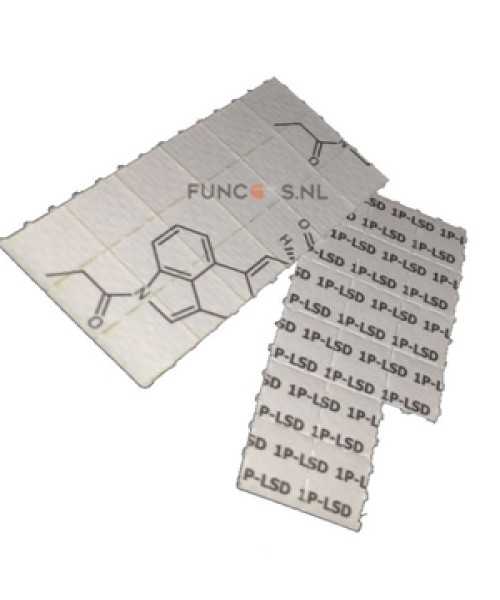
1P-LSD, short for 1-propionyl-LSD or 1-propanoyl-LSD, is a synthetic lysergamide closely related to lysergic acid diethylamide (LSD).
Its formal chemical name is 1-propanoyl-d-lysergic acid diethylamide.
1P-LSD appeared within the new psychoactive substance and “research chemical” market as an LSD-related compound.
Research indicates that an important part of its pharmacology comes from conversion into LSD within the body.
This makes 1P-LSD particularly interesting scientifically because it illustrates the concept of a psychoactive prodrug.
For additional educational exploration of emerging psychoactive compounds, visit cannabinoidseller.com.
1P-LSD Quick Facts
| Feature | 1P-LSD |
|---|---|
| Full name | 1-Propanoyl-LSD |
| Alternative name | 1-Propionyl-LSD |
| Drug family | Lysergamide |
| Broad category | Serotonergic psychedelic |
| Closely related to LSD | Yes |
| Converts to LSD in vivo | Evidence strongly supports this |
| Primary psychedelic receptor pathway | 5-HT2A |
| Stimulant | Not its primary classification |
| Depressant | No |
| Same as MDMA/Molly | No |
| Established prescription medicine | No |
The most useful way to understand 1P-LSD is therefore through its relationship with LSD and serotonergic psychedelic pharmacology.
How Does 1P-LSD Work?
The available evidence strongly supports the idea that 1P-LSD acts substantially as a prodrug for LSD.
A prodrug is a compound that is converted within the body into another pharmacologically active substance.
Animal research demonstrated rapid conversion of 1P-LSD to LSD.
More importantly, controlled human research subsequently provided direct evidence supporting the same mechanism.
After oral administration of 1P-LSD in a human pharmacokinetic investigation, researchers detected LSD in serum and urine.
The investigators reported that the bioavailability of LSD after oral 1P-LSD was close to complete in the study conditions.
The psychosensory effects were also comparable with those reported for LSD in other controlled studies.
These findings strongly support conversion of 1P-LSD into LSD as a central component of its effects.
1P-LSD and the Serotonin System
LSD is a serotonergic psychedelic.
Its pharmacology involves several serotonin receptors, with 5-HT2A receptor activation playing a particularly important role in psychedelic effects.
5-HT2A receptors occur throughout the central nervous system and are especially important within cortical networks.
Activation can alter:
- sensory processing
- perception
- cognition
- attention
- emotional processing
- integration between brain networks
Psychedelic pharmacology is more complicated than simply saying that a substance “increases serotonin.”
Receptor activation, intracellular signaling and interactions across neural networks all contribute.
Evidence That 1P-LSD Produces LSD-Like Pharmacology
Early experimental research characterized 1P-LSD chemically and pharmacologically.
In animal experiments, 1P-LSD produced a behavioral response associated with 5-HT2A receptor activation.
Blocking 5-HT2A receptors prevented that response.
Later pharmacological research demonstrated that 1P-LSD and other N1-acylated LSD derivatives can be efficiently converted to LSD in vivo.
Human pharmacokinetic research then provided additional support for this prodrug mechanism.
Together, these studies provide substantially stronger evidence than anecdotal reports from unverified research-chemical sources.
1P-LSD vs. LSD
1P-LSD and LSD are closely related but not identical molecules.
| Characteristic | 1P-LSD | LSD |
|---|---|---|
| Lysergamide | Yes | Yes |
| Same molecule | No | No |
| Propionyl group | Yes | No |
| Converts to LSD | Evidence supports this | Not applicable |
| 5-HT2A-related psychedelic effects | Yes | Yes |
| Human research | Limited | Much more extensive |
| Established U.S. medical treatment | No | No currently accepted federal medical use |
The structural difference occurs at the indole nitrogen, where 1P-LSD carries a propionyl group.
Enzymatic hydrolysis can remove that group and produce LSD.
What Is LSD?
LSD, or lysergic acid diethylamide, is a potent serotonergic psychedelic.
It belongs to the lysergamide family.
LSD became particularly prominent during the twentieth century but has also been investigated scientifically for its effects on:
- consciousness
- perception
- emotion
- cognition
- serotonin receptors
- psychiatric symptoms
Modern controlled research has renewed scientific interest in psychedelic pharmacology.
However, experimental or clinical research should not be confused with unregulated recreational exposure.
Is LSD a Stimulant or Depressant?
LSD is not appropriately classified simply as either a stimulant or depressant.
Its primary classification is:
serotonergic psychedelic / hallucinogen
This is the most pharmacologically meaningful description.
LSD can produce some physiological changes that resemble stimulant effects, including increased heart rate, elevated blood pressure, dilated pupils and wakefulness.
That does not make LSD an amphetamine-like stimulant.
Likewise, it is not primarily a CNS depressant such as a benzodiazepine or barbiturate.
Is LSD a Stimulant?
Not in the conventional pharmacological sense.
Classical stimulants include substances such as:
- amphetamine
- methamphetamine
- methylphenidate
- cocaine
- caffeine
These substances use mechanisms that differ substantially from LSD.
Amphetamine, for example, strongly affects dopamine and norepinephrine transport and release.
Caffeine primarily blocks adenosine receptors.
LSD instead produces its defining psychoactive effects primarily through serotonergic receptor pharmacology, especially 5-HT2A signaling.
Why LSD Can Feel Stimulating
The confusion is understandable because LSD can produce:
- increased wakefulness
- restlessness
- elevated heart rate
- increased blood pressure
- sleeplessness
- heightened sensory awareness
These physiological and behavioral effects can resemble stimulation.
Drug classification, however, depends on more than whether someone feels energized.
LSD’s defining pharmacological and subjective properties place it among psychedelics.
Is LSD a Depressant?
No.
LSD is not classified as a conventional CNS depressant.
Classic depressant drugs include:
- benzodiazepines
- barbiturates
- alcohol
- certain sedative-hypnotic medications
These substances generally suppress particular aspects of CNS activity through mechanisms substantially different from LSD’s serotonergic psychedelic pharmacology.
Therefore, describing LSD simply as a depressant is inaccurate.
LSD: Stimulant vs. Depressant vs. Psychedelic
| Drug category | Examples | Typical defining mechanism |
|---|---|---|
| Stimulants | Amphetamine, methylphenidate | Increased catecholamine signaling |
| Depressants | Benzodiazepines, barbiturates | Increased inhibitory CNS signaling |
| Classical psychedelics | LSD, psilocin, mescaline | Predominantly serotonergic 5-HT2A signaling |
| 1P-LSD | LSD-related lysergamide | Conversion to LSD plus serotonergic psychedelic activity |
A substance can produce secondary effects resembling another category without belonging primarily to that category.
“Droga LSD”: Understanding LSD as a Drug
The phrase droga LSD reflects searches in languages where “droga” simply means drug.
Scientifically, LSD is a psychoactive drug belonging to the lysergamide psychedelic family.
Its effects can include substantial alterations in:
- visual perception
- time perception
- sensory processing
- emotional experience
- cognition
- sense of self
The intensity and character of psychedelic experiences can vary considerably.
Is Molly LSD?
No.
Molly is not LSD.
“Molly” commonly refers to MDMA, although unregulated material sold under that name may not necessarily contain authentic MDMA.
MDMA and LSD have very different chemistry.
| Feature | LSD | MDMA / Molly |
|---|---|---|
| Main family | Lysergamide | Substituted amphetamine |
| Classical psychedelic | Yes | Usually classified as entactogen/stimulant with hallucinogenic properties |
| 5-HT2A activity | Important | Not its sole defining mechanism |
| Monoamine release | Not primary defining mechanism | Prominent |
| Same molecule | No | No |
MDMA strongly influences serotonin release and also affects dopamine and norepinephrine.
LSD has a different receptor-centered pharmacological profile.
Therefore, using “Molly” and “LSD” interchangeably is chemically inaccurate.
1P-LSD vs. Molly/MDMA
MDMA and 1P-LSD are even more clearly distinct.
1P-LSD is an LSD-related lysergamide.
MDMA is 3,4-methylenedioxymethamphetamine, a substituted amphetamine.
Both can alter perception and emotion, but overlapping subjective effects do not make their pharmacology equivalent.
1P-LSD vs. Psilocybin
Psilocybin and 1P-LSD also belong to different chemical families.
Psilocybin is a tryptamine-related psychedelic prodrug that is converted to psilocin.
1P-LSD is a lysergamide that appears to be converted substantially into LSD.
Both ultimately produce important 5-HT2A-mediated effects, but their:
- molecular structures
- receptor profiles
- pharmacokinetics
- metabolism
differ.
1P-LSD and Research Chemicals
1P-LSD became known partly through the online research chemical market.
That terminology requires caution.
“Research chemical” does not mean:
- clinically proven
- pharmaceutical grade
- safe for human consumption
- FDA approved
- accurately labeled
- legally unrestricted
A compound can be genuinely useful in scientific research while still lacking an established safety profile for uncontrolled human exposure.
“LSD-Alike Research Chemicals”
Numerous LSD-related lysergamides have appeared in scientific or forensic literature.
Examples include:
- ALD-52
- 1P-LSD
- 1B-LSD
- 1F-LSD
- 1T-LSD
- other N1-substituted lysergamides
Several have demonstrated evidence of conversion into LSD.
However, structural similarity does not guarantee identical:
- potency
- metabolism
- pharmacokinetics
- duration
- toxicology
- legal status
Each compound requires independent investigation.
Research Chemicals “Like LSD With No Anxiety or Nausea”
There is no research chemical that can reliably guarantee an LSD-like psychedelic experience without anxiety, nausea or other adverse effects.
This is an important correction to claims sometimes found in online discussions.
Even controlled psychedelic studies report substantial individual variability.
Possible acute adverse reactions can include:
- anxiety
- panic
- nausea
- confusion
- fear
- increased heart rate
- elevated blood pressure
Psychological effects also depend partly on individual characteristics and environment.
A particular analogue cannot responsibly be labeled an “anxiety-free LSD.”
Anxiety and Psychedelics
Anxiety can occur with serotonergic psychedelics.
Factors potentially influencing the psychological response include:
- underlying mental state
- environment
- expectations
- individual sensitivity
- other substances
- psychiatric history
Even carefully controlled clinical research cannot guarantee that anxiety will never occur.
For example, a recent controlled Phase I study of very-low-dose LSD reported withdrawals related to anxiety, illustrating that even relatively low experimental exposure is not universally free of psychological effects.
Nausea and Psychedelics
Nausea is also not unique to one psychedelic.
Serotonin receptors exist throughout both the central nervous system and gastrointestinal system.
Different psychedelic compounds can therefore produce gastrointestinal effects to varying degrees.
An online claim that a research chemical causes “zero nausea” should not be considered reliable evidence.
LSD and Psychological Effects
LSD can substantially alter perception and cognition.
Effects can involve:
- visual changes
- altered interpretation of sensory information
- distorted perception of time
- intensified emotions
- changes in thought patterns
- altered sense of self
Unpleasant reactions can involve:
- panic
- paranoia
- severe anxiety
- confusion
- frightening perceptual experiences
The DEA classifies LSD among hallucinogens and notes that hallucinogens can produce major alterations in perception and mood.
Hallucinogen Persisting Perception Disorder
A less common but important complication associated with hallucinogens is hallucinogen persisting perception disorder (HPPD).
HPPD involves recurrence or persistence of perceptual disturbances after the immediate drug effects have ended.
Symptoms can differ considerably between individuals.
Persistent visual or psychological symptoms following psychedelic exposure warrant professional medical evaluation.
Physical Effects Associated With LSD
LSD can also produce physiological changes.
Reported effects include:
- pupil dilation
- increased heart rate
- elevated blood pressure
- sweating
- increased body temperature
- reduced appetite
- sleeplessness
- tremor
These effects help explain why calling LSD completely physiologically benign would also be inaccurate.
1P-LSD Human Research
One particularly important investigation examined the pharmacokinetics and subjective effects of 1P-LSD in human volunteers.
Researchers detected LSD following 1P-LSD exposure and concluded that their findings supported the prodrug hypothesis.
The psychosensory effects and their time course were also broadly comparable with those reported after LSD in other studies.
This human evidence is important because earlier evidence had relied more heavily on laboratory and animal experiments.
Research Limitations
Despite these findings, the evidence base for 1P-LSD remains much smaller than the literature concerning LSD.
Important limitations include:
- small human study populations
- limited long-term data
- limited interaction studies
- uncertain effects in people with medical conditions
- incomplete characterization of rare adverse events
Scientific evidence supporting conversion into LSD does not mean uncontrolled 1P-LSD exposure has been established as safe.
Unknown Products and Chemical Identity
Unregulated blotters, liquids or powders cannot be reliably identified through appearance.
A product labeled “1P-LSD” could theoretically contain:
- LSD
- another lysergamide
- another psychedelic
- a mixture
- an inactive substance
- an unexpected contaminant
Reliable chemical identification requires appropriate analytical testing.
This problem applies broadly across new psychoactive substances.
Frequently Asked Questions
1. What is 1P-LSD?
1P-LSD is 1-propanoyl-LSD, a synthetic lysergamide closely related to LSD. Experimental and human evidence strongly supports its conversion into LSD in the body.
2. Is LSD a stimulant?
LSD can produce some stimulant-like physiological effects, but it is primarily classified as a serotonergic psychedelic or hallucinogen rather than a conventional CNS stimulant.
3. Is LSD a depressant?
No. LSD is not conventionally classified as a CNS depressant. Its defining pharmacology involves serotonergic receptors, particularly 5-HT2A.
4. Is Molly LSD?
No. Molly usually refers to MDMA. MDMA is a substituted amphetamine/entactogen, while LSD is a lysergamide psychedelic.
5. Is 1P-LSD the same as LSD?
No. They are separate molecules. However, research indicates that 1P-LSD is efficiently converted into LSD in the body and appears to function substantially as an LSD prodrug.
6. Is there an LSD-like research chemical guaranteed to cause no anxiety or nausea?
No. No psychedelic research chemical can reliably guarantee the absence of anxiety, nausea or other adverse effects. Claims of an “anxiety-free” or universally side-effect-free LSD analogue are not supported by clinical evidence.
Educational Resources
For additional educational exploration of lysergamides, psychedelic pharmacology and research chemicals, visit cannabinoidseller.com.
1. PubMed — Human Pharmacokinetics of 1P-LSD
This controlled human investigation examined 1P-LSD and found evidence strongly supporting its conversion into LSD.
PubMed — 1P-LSD Human Pharmacokinetics
2. PubMed — Pharmacology and Biotransformation of LSD Analogues
Experimental research demonstrated efficient in-vivo conversion of 1P-LSD and related N1-acyl LSD derivatives into LSD.
PubMed — 1P-LSD Biotransformation
3. U.S. Drug Enforcement Administration — Hallucinogens
The DEA provides educational information about LSD and other hallucinogens, including their perceptual and physiological effects.
For additional educational research into emerging psychoactive compounds, visit cannabinoidseller.com and the research resources available through cannabinoidseller.com.
| Quantity | 100x100mcg/blotter, 500 x 100mcg/blotter |
|---|
Be the first to review “1P-LSD”
Related products
Psychedelic
sedative
Psychedelic
Psychedelic
Psychedelic

Stimulants
New

Reviews
There are no reviews yet.