
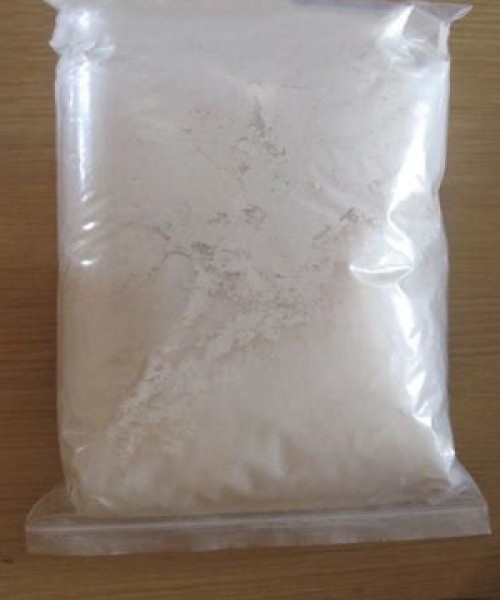
U-62066 SPIRADOLINE

$132.00 – $432.00Price range: $132.00 through $432.00
U-62066 Spiradoline: Opioid Receptor Research, Pain Medicines and Addiction
What Is U-62066 Spiradoline?
U-62066 Spiradoline, usually called spiradoline in scientific literature, is an experimental compound that researchers studied primarily because of its activity at kappa-opioid receptors (KORs).
Spiradoline has an important place in opioid pharmacology because it demonstrates that the term opioid covers substances that can interact with different opioid receptor subtypes. It should not be treated as equivalent to fentanyl, oxycodone, morphine, or other familiar opioid pain medicines.
Researchers investigated spiradoline in experimental and early clinical settings, including studies of analgesia and other physiological effects. However, its research history does not make it an established prescription pain medication.
This distinction becomes particularly important when people encounter search terms such as fentanyl for pain relief, Percocet for pain relief, opioids and pain, and pain killer addiction alongside an experimental compound.
For additional educational exploration of emerging chemical and receptor terminology, readers can visit cannabinoidseller.com.
Understanding the Kappa-Opioid Receptor
The human opioid system includes several receptor families. Three of the best known are:
- mu-opioid receptors (MOR)
- kappa-opioid receptors (KOR)
- delta-opioid receptors (DOR)
Many familiar opioid pain medications produce much of their analgesic activity through mu-opioid receptors.
Spiradoline differs because researchers developed and studied it primarily as a kappa-opioid receptor agonist.
Kappa receptors participate in pain processing, stress responses, mood, perception, and other neurological functions. Scientists have investigated KOR agonists partly because they may produce analgesic effects through a pathway that differs from conventional mu-opioid drugs.
However, activating kappa receptors can also produce unwanted central nervous system effects.
How Does U-62066 Spiradoline Work?
Spiradoline activates kappa-opioid receptors.
Like other opioid receptors, KORs belong to the G-protein-coupled receptor family. Activating these receptors changes intracellular signaling and neuronal activity.
Experimental research has associated KOR activation with effects involving:
- pain perception
- sedation
- mood
- stress signaling
- diuresis
- perception and cognition
Researchers have also observed adverse effects with centrally acting kappa agonists, which has complicated attempts to develop this pharmacological approach into widely useful pain treatments.
This illustrates an important principle in drug development: producing analgesia in an experiment does not automatically make a compound a successful medicine.
Was Spiradoline Developed as a Pain Medication?
Researchers investigated spiradoline partly for potential analgesic, or pain-relieving, properties.
That does not mean patients should regard U-62066 as an available prescription painkiller.
Drug development requires much more than demonstrating activity at a receptor. Researchers must evaluate pharmacokinetics, effectiveness, tolerability, adverse effects, drug interactions, dose consistency, and overall benefit-to-risk balance.
Many experimental compounds never become approved medicines.
Spiradoline provides a useful example of how scientists can learn valuable information from a compound even when it does not become part of routine clinical practice.
Spiradoline vs. Conventional Opioid Pain Medicines
The word opioid can make spiradoline sound similar to fentanyl or oxycodone, but receptor pharmacology reveals an important difference.
| Compound | Major pharmacological relevance | Medical status/context |
|---|---|---|
| Spiradoline | Kappa-opioid receptor agonism | Experimental/research compound |
| Fentanyl | Primarily mu-opioid receptor agonism | Prescription opioid with specialized medical uses |
| Oxycodone | Primarily mu-opioid receptor agonism | Prescription opioid analgesic |
| Morphine | Primarily mu-opioid receptor agonism | Established opioid analgesic |
| Naloxone | Opioid receptor antagonist | Used to reverse opioid overdose |
These differences matter because opioid receptor subtype, efficacy, distribution, metabolism, and formulation can strongly influence a drug’s effects.
Opioids and Pain
The relationship between opioids and pain has shaped medicine for centuries.
Opioid medicines can reduce pain by changing how the nervous system processes painful stimuli.
Doctors may consider opioid medications in specific situations such as severe acute pain, postoperative pain, cancer-related pain, palliative care, and selected cases where other approaches do not adequately control symptoms.
However, clinicians must balance potential pain relief against risks including:
- sedation
- constipation
- nausea
- tolerance
- physical dependence
- misuse
- opioid use disorder
- respiratory depression
- overdose
Modern pain management therefore involves much more than simply selecting the strongest available painkiller.
Pain Medication Beginning With D
People sometimes search for a pain medication beginning with D, pain meds that begin with D, or a pain med that starts with D because they remember only part of a medication’s name.
Several medications associated with pain treatment begin with D, but they are not interchangeable.
Examples include:
Diclofenac — a nonsteroidal anti-inflammatory drug (NSAID).
Duloxetine — an antidepressant that clinicians also use for certain chronic and neuropathic pain conditions.
Dihydrocodeine — an opioid analgesic used in some countries.
Dilaudid — a brand name associated with hydromorphone, a potent prescription opioid.
A first letter alone cannot safely identify a medication.
People trying to identify an unknown prescription should check its original pharmacy label or consult a pharmacist rather than guessing from appearance or the first letter.
Pain Meds Start With M
The search phrase pain meds start with M can likewise refer to several unrelated medications.
Examples include:
Morphine — an opioid analgesic.
Meloxicam — an NSAID used for inflammatory pain conditions.
Methadone — an opioid with specialized roles in pain treatment and opioid use disorder treatment.
These medications have dramatically different pharmacology and safety profiles.
Alphabetical similarity provides no meaningful information about potency or appropriate medical use.
Pain Pill That Starts With P
A pain pill that starts with P could refer to multiple products.
Examples include:
Percocet — a brand containing oxycodone and acetaminophen.
Pregabalin — a medication used for several forms of neuropathic pain and other indications.
The safest way to identify an unknown medication remains through verified labeling or a pharmacist.
Using color, shape, a remembered first letter, or an informal description can result in dangerous identification errors.
Fentanyl for Pain Relief
They has a legitimate medical context.
Fentanyl is a powerful synthetic opioid used in carefully controlled medical settings. Depending on formulation and clinical circumstances, healthcare professionals may use it for anesthesia or severe pain.
Medical fentanyl differs fundamentally from unpredictable illicitly manufactured fentanyl appearing in unregulated drug markets.
Prescription fentanyl products have standardized formulations and professional oversight.
Unregulated material may have unknown concentration, composition, or contamination.
The fact that fentanyl has legitimate medical uses therefore does not make uncontrolled fentanyl exposure safe.
Understanding Fentanyl Pain Treatment
When discussing fentanyl pain, potency matters.
Fentanyl acts primarily as a strong mu-opioid receptor agonist. This activity can provide powerful analgesia but can also suppress respiratory drive.
Clinicians therefore consider factors such as:
- previous opioid exposure
- indication
- formulation
- other medications
- respiratory status
- age
- overall medical condition
Different fentanyl formulations are not automatically interchangeable.
This is why fentanyl treatment belongs under medical supervision rather than informal comparisons of which opioid is “strongest.”
Percocet for Pain Relief
Percocet for pain relief refers to a prescription combination of oxycodone and acetaminophen.
The components work differently.
Oxycodone is an opioid analgesic that acts primarily through mu-opioid receptors.
Acetaminophen is a non-opioid pain reliever.
Combining them can provide analgesia through different pharmacological mechanisms, but the product also carries risks associated with both components.
Oxycodone can cause sedation, dependence, respiratory depression, and opioid use disorder.
Excessive acetaminophen exposure can cause serious liver injury.
Is Percocet a Pain Killer?
Yes. The phrase Percocet pain killer refers to its medical role as a prescription analgesic.
However, “painkiller” can make a medication sound simpler than it really is.
Percocet does not eliminate the biological source of every type of pain. Instead, its ingredients modify pain perception through different mechanisms.
It also does not represent the best treatment for every painful condition.
Pain may originate from inflammation, nerve injury, surgery, cancer, musculoskeletal injury, or numerous other causes. Treatment depends on the underlying condition and patient-specific factors.
Spiradoline vs. Fentanyl and Percocet
Spiradoline provides a particularly useful comparison with conventional opioid analgesics.
Fentanyl: established medical opioid whose powerful mu-opioid receptor activity can provide analgesia while also creating serious respiratory-depression risk.
Percocet: prescription combination containing the mu-opioid agonist oxycodone plus acetaminophen.
These substances therefore should not be grouped together simply because all can appear in discussions involving opioid receptors and pain.
Receptor subtype and clinical status matter.
Readers interested in broader receptor and psychoactive-compound education can explore cannabinoidseller.com.
What Is Pain Killer Addiction?
The phrase pain killer addiction commonly refers to problematic or compulsive use of opioid pain medications.
Modern medical terminology usually uses opioid use disorder (OUD) when a clinically significant pattern involving opioids causes impairment or distress.
Possible warning signs include:
- strong cravings
- inability to control use
- repeated unsuccessful attempts to reduce use
- continuing despite harmful consequences
- neglecting responsibilities
- spending substantial time obtaining or recovering from opioids
- using in dangerous circumstances
However, addiction and physical dependence are not identical.
Physical Dependence vs. Opioid Addiction
A patient can develop physical dependence while taking an opioid as prescribed.
Physical dependence means the body has adapted to continued exposure. Abruptly stopping the drug may then produce withdrawal symptoms.
Opioid use disorder, by contrast, involves a broader problematic pattern of behavior and consequences.
Tolerance can also occur, meaning the body becomes less responsive to a particular drug effect after repeated exposure.
These concepts overlap but should not be treated as synonyms.
Clear terminology helps reduce stigma while improving understanding of opioid-related health risks.
Why Opioid Combinations Increase Risk
One of the most important real-world lessons in opioid education concerns interactions with other CNS depressants.
Combining opioids with substances such as alcohol or benzodiazepines can increase sedation and respiratory depression.
Possible consequences include:
- extreme drowsiness
- impaired consciousness
- slowed or inadequate breathing
- hypoxia
- coma
- fatal overdose
This danger applies especially to potent mu-opioid agonists.
The pharmacology of an experimental KOR agonist such as spiradoline should not be extrapolated to predict the safety of other opioid combinations.
Why Kappa-Opioid Research Still Matters
If spiradoline never became a mainstream pain medicine, why does it remain scientifically interesting?
Experimental compounds help researchers understand biological systems.
Studies of kappa-opioid receptor agonists have helped scientists investigate:
- how different opioid receptors influence pain
- why some opioid pathways produce dysphoria
- relationships between KOR signaling and stress
- receptor-selective drug development
- whether analgesia can be separated from undesirable CNS effects
Modern researchers continue exploring ways of targeting opioid pathways while attempting to reduce unwanted effects.
This makes historical compounds such as U-62066 useful pieces of the larger opioid-receptor research story.
Experimental Research Is Not Medical Approval
Readers should make a clear distinction between an experimental pharmacological compound and an approved medication.
A chemical may appear in scientific journals because researchers investigated its receptor activity.
That does not establish that it has:
- an approved indication
- standardized consumer dosing
- established long-term safety
- an acceptable benefit-to-risk profile
- approval for self-treatment
Spiradoline demonstrates why the phrase “research chemical” should never be interpreted as meaning “experimental medicine ready for personal use.”
The Bigger Picture: Pain Treatment Has Many Categories
Opioids represent only one part of modern pain management.
Depending on the cause of pain, clinicians may consider approaches involving:
- acetaminophen
- NSAIDs
- certain antidepressants
- certain anticonvulsants
- topical medications
- physical therapy
- behavioral approaches
- interventional procedures
- opioid medications in appropriate cases
The appropriate approach depends on whether pain is acute or chronic and whether it arises from inflammation, nerve damage, surgery, injury, cancer, or another condition.
This explains why searching alphabetically for a “pain med that starts with D” or “pain pill that starts with P” cannot substitute for identifying the cause of pain.
Key Takeaways About U-62066 Spiradoline
U-62066 Spiradoline belongs primarily to the history and science of kappa-opioid receptor research.
Researchers investigated it for analgesic and other pharmacological effects, but it did not become a routine prescription pain medication.
Its mechanism also differs significantly from familiar mu-opioid analgesics such as fentanyl and oxycodone.
Understanding those differences helps readers avoid a common misconception: drugs associated with opioid receptors do not necessarily have identical pharmacology, potency, medical applications, or risks.
At the same time, established opioid pain medications require careful medical management because mu-opioid receptor activation can cause dependence and potentially fatal respiratory depression.
For additional educational exploration of receptors, cannabinoids, and emerging chemical terminology, readers can visit cannabinoidseller.com.
Frequently Asked Questions
1. What is U-62066 Spiradoline?
U-62066, or spiradoline, is an experimental compound researchers studied primarily as a kappa-opioid receptor agonist. Scientists investigated its analgesic and physiological effects, but it did not become a routine prescription pain medication.
2. Is Spiradoline the same as fentanyl?
No. Spiradoline primarily represents kappa-opioid receptor research, while fentanyl is a powerful mu-opioid receptor agonist with established medical applications and serious respiratory-depression risk.
3. Is fentanyl used for pain relief?
Yes. Medical professionals use pharmaceutical fentanyl for specific indications involving anesthesia and severe pain. Medical fentanyl should not be confused with illicitly manufactured fentanyl circulating in unregulated markets.
4. Is Percocet a painkiller?
Yes. Percocet combines oxycodone, an opioid analgesic, with acetaminophen, a non-opioid pain reliever. It carries risks associated with opioid exposure as well as excessive acetaminophen.
5. Can prescription painkillers cause addiction?
Opioid pain medications can contribute to opioid use disorder in some people. Risk varies according to the medication, duration, exposure, individual vulnerability, and other factors.
6. Is physical dependence the same as painkiller addiction?
No. Physical dependence describes physiological adaptation that can produce withdrawal after abrupt discontinuation. Opioid use disorder involves a broader problematic pattern of compulsive use and clinically significant consequences.
| Quantity | 5grams, 10grams, 50grams, 100grams, 500grams, 1kg, 5kg, 10kg |
|---|
Be the first to review “U-62066 SPIRADOLINE” Cancel reply
Related products

New
Opioids
sedative
Opioids
Opioids
Opioids
New

Reviews
There are no reviews yet.