
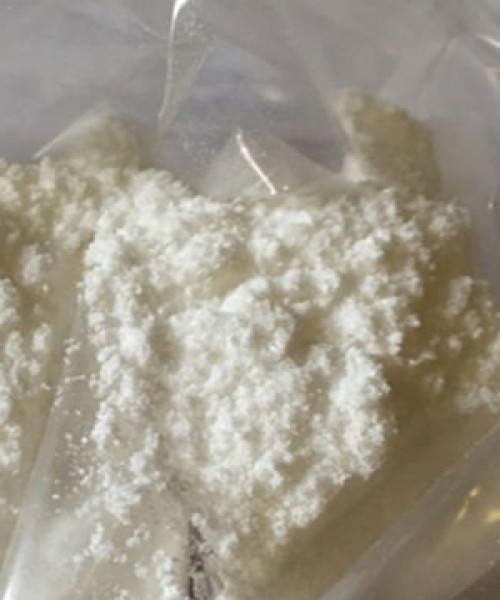
TIANEPTINE (COAXIL): ANTIDEPRESSANT PHARMACOLOGY, OPIOID ACTIVITY, STIMULANTS, DEPRESSANTS AND DRUG DEPENDENCE EXPLAINED
What Is Tianeptine (Coaxil)?
Tianeptine is an atypical antidepressant developed for the treatment of depression and marketed under names including Coaxil in some countries.
Its pharmacology is unusual.
Tianeptine was historically discussed in relation to serotonin and glutamate regulation, neuroplasticity, and stress-related changes in the brain. More recent molecular research established another important property: tianeptine is an agonist at the mu-opioid receptor (MOR).
This finding changed scientists’ understanding of the compound.
Tianeptine is therefore better described as an atypical antidepressant with opioid-receptor agonist activity rather than simply another serotonin-based antidepressant.
For additional educational material about psychoactive compounds and pharmacology, visit cannabinoidseller.com.
Quick Facts
| Feature | Tianeptine |
|---|---|
| Common brand name | Coaxil |
| Broad therapeutic category | Atypical antidepressant |
| Important molecular target | Mu-opioid receptor |
| Delta-opioid activity | Present at substantially lower potency |
| FDA-approved in the United States | No |
| Approved as an antidepressant in some countries | Yes |
| Benzodiazepine | No |
| Conventional stimulant | No |
| Classical psychedelic | No |
| Dependence/misuse potential | Documented |
| U.S. dietary-supplement status | Not a lawful dietary ingredient |
How Tianeptine Works
Tianeptine has a pharmacological history that is more complicated than that of many conventional antidepressants.
Older explanations emphasized changes involving serotonin uptake and glutamatergic neurotransmission.
Subsequent research demonstrated that tianeptine acts as an efficacious mu-opioid receptor agonist and also activates delta-opioid receptors at considerably lower potency.
More recent neuroscience research continues to support an important role for mu-opioid receptors in tianeptine’s behavioral effects. Animal research found that mu-opioid receptors on particular hippocampal GABAergic interneurons were important for its antidepressant-like actions.
Its pharmacology therefore cannot be reduced to a simple “serotonin antidepressant” description.
Is Tianeptine an Opioid?
This question requires careful terminology.
Tianeptine is historically and therapeutically described as an atypical antidepressant.
Chemically, it is not an opiate such as morphine or codeine.
Pharmacologically, however, research demonstrates meaningful mu-opioid receptor agonism. A 2024 review describes it as a moderately potent MOR agonist and discusses this activity as an important factor in its abuse liability.
Therefore:
Tianeptine is not a traditional opiate, but it has clinically important opioid-receptor pharmacology.
That distinction explains why dependence, withdrawal and toxicity have become public-health concerns.
Tianeptine Is Not FDA-Approved in the United States
Tianeptine is used medically in some countries.
The situation is different in the United States.
As of September 2026, FDA states that tianeptine is not approved for any medical use in the United States. FDA also warns that products containing it have been illegally marketed with claims involving depression, anxiety, pain, opioid use disorder and cognitive function.
This is important because international medical use does not automatically establish U.S. approval.
Tianeptine Misuse and Dependence
Mu-opioid receptor activity creates important safety concerns.
Scientific literature documents:
- misuse
- escalating consumption
- dependence
- withdrawal
- intoxication
- overdose
A 2026 systematic review specifically characterizes tianeptine as an atypical antidepressant with mu-opioid receptor agonist activity and reviews the growing clinical literature involving misuse, addiction, toxicity and withdrawal.
This evidence is one reason tianeptine should not be treated as an ordinary over-the-counter mood supplement.
Is an Opiate a Depressant?
Yes. Opiates and the broader opioid family have important central nervous system depressant effects, particularly involving respiratory drive and sedation.
“Opiate” traditionally refers more narrowly to naturally derived opium compounds such as morphine and codeine.
“Opioid” is the broader pharmacological category.
Opioids primarily act through opioid receptors, especially the mu-opioid receptor.
Important effects can include:
- analgesia
- sedation
- euphoria
- reduced respiratory drive
The respiratory effect becomes particularly important during overdose.
Opioid Does Not Mean Benzodiazepine
Opioids and benzodiazepines are both capable of producing CNS depression, but they work through different receptor systems.
Opioids: primarily opioid receptors.
Benzodiazepines: primarily GABA-A receptor modulation.
This distinction matters because two substances can produce superficially similar effects through very different molecular mechanisms.
Tianeptine’s MOR activity therefore does not make it a benzodiazepine.
Are Benzos CNS Depressants?
Yes.
Benzodiazepines are CNS depressants.
DEA describes benzodiazepines as depressants that can produce sedation and hypnosis, reduce anxiety and muscle spasms, and suppress seizures.
Examples include:
- diazepam
- alprazolam
- lorazepam
- clonazepam
- temazepam
Their major pharmacological mechanism involves enhancing inhibitory signaling through susceptible GABA-A receptors.
Tianeptine Versus Benzodiazepines
| Feature | Tianeptine | Benzodiazepines |
|---|---|---|
| Traditional category | Atypical antidepressant | Sedative/anxiolytic drug family |
| Major relevant receptor | Mu-opioid receptor | GABA-A |
| Conventional opioid | No, but MOR agonist | No |
| CNS depression possible | Yes, particularly with misuse/toxicity | Yes |
| Dependence possible | Yes | Yes |
| Withdrawal documented | Yes | Yes |
| Same pharmacology | No | No |
The two categories should therefore not be treated as interchangeable.
Is Alcohol a Depressant, Stimulant or Hallucinogen?
Alcohol is primarily classified as a central nervous system depressant.
At lower levels, people can appear:
- more talkative
- more sociable
- less inhibited
This sometimes creates the impression that alcohol is a stimulant.
Those behaviors largely reflect suppression of inhibitory control rather than conventional stimulant pharmacology.
As exposure increases, characteristic depressant effects become more apparent:
- impaired coordination
- slower reaction time
- drowsiness
- confusion
- loss of consciousness
Therefore, alcohol is primarily a depressant.
Is Cocaine a Stimulant, Depressant or Hallucinogen?
Cocaine is a central nervous system stimulant.
DEA describes cocaine as an intense stimulant with substantial addictive potential.
Its pharmacology increases monoamine signaling, particularly dopamine.
Effects can include:
- increased alertness
- increased heart rate
- increased blood pressure
- reduced appetite
- increased activity
It is not conventionally classified as a depressant.
Is Cocaine a Depressant or Stimulant?
Cocaine is a stimulant.
Confusion sometimes arises because a stimulant “crash” can produce:
- fatigue
- low mood
- sleepiness
- reduced motivation
These after-effects do not transform cocaine into a depressant.
The primary drug classification remains stimulant.
Is Meth a Stimulant, Depressant or Hallucinogen?
Methamphetamine is a powerful stimulant.
It is an amphetamine-class substance whose effects prominently involve dopamine and norepinephrine systems.
DEA categorizes amphetamines as stimulants that speed up body systems.
Methamphetamine can produce:
- increased wakefulness
- increased activity
- reduced appetite
- increased blood pressure
- increased heart rate
It is not primarily classified as a depressant or classical hallucinogen.
Is Meth a Depressant?
No.
Methamphetamine is a stimulant.
Someone may experience extreme exhaustion or depressed mood after prolonged stimulant exposure.
That phenomenon is sometimes called a stimulant crash.
The crash does not change methamphetamine’s pharmacological classification.
Is Methamphetamine a Depressant?
No.
Methamphetamine remains a CNS stimulant.
This illustrates an important distinction between a drug’s primary pharmacological classification and the symptoms experienced after its acute effects disappear.
A stimulant can ultimately leave someone tired.
A depressant can sometimes produce disinhibition.
Classification depends on the underlying pharmacology rather than one isolated subjective effect.
Depressants, Hallucinogens and Stimulants
Three commonly discussed psychoactive-drug categories are depressants, stimulants and hallucinogens.
They describe broad patterns rather than perfectly rigid categories.
| Substance | Primary broad classification |
|---|---|
| Alcohol | Depressant |
| Benzodiazepines | Depressants |
| Morphine | Opioid with CNS-depressant effects |
| Cocaine | Stimulant |
| Amphetamine | Stimulant |
| Methamphetamine | Stimulant |
| Adderall | Prescription amphetamine stimulant |
| LSD | Psychedelic/hallucinogen |
| Psilocybin | Psychedelic/hallucinogen |
| Tianeptine | Atypical antidepressant with MOR agonism |
Some substances have mixed effects and do not fit perfectly into one traditional category.
Drugs: Depressants, Stimulants and Hallucinogens
Drug classification helps describe predominant pharmacological effects.
Depressants
These generally reduce activity within important CNS pathways.
Examples include alcohol and benzodiazepines.
Opioids also produce clinically important CNS and respiratory depression, although opioid receptor agonism is a more precise mechanistic description.
Stimulants
These generally increase arousal or activity.
Examples include:
- cocaine
- amphetamine
- methamphetamine
- methylphenidate
- caffeine
Hallucinogens
These substantially alter perception, cognition or sensory processing.
Examples include:
- LSD
- psilocybin
- mescaline
Modern pharmacology frequently uses more precise receptor-based classifications alongside these broad categories.
Difference Between Stimulant and Depressant Drugs
The simplest distinction concerns their predominant effects on CNS activity.
| Feature | Stimulants | Depressants |
|---|---|---|
| General effect | Increase CNS activity/arousal | Reduce CNS activity |
| Alertness | Usually increased | Often reduced |
| Wakefulness | Usually increased | Often reduced |
| Examples | Cocaine, amphetamine, methamphetamine | Alcohol, benzodiazepines |
| Major acute risks | Cardiovascular stress, hyperthermia, seizures | Severe sedation, respiratory compromise |
| Dependence possible | Yes | Yes |
These categories do not predict every effect a person will experience.
Stimulant vs Depressant
A stimulant vs depressant comparison should not be interpreted as “good versus bad.”
Both classes contain legitimate medicines.
Both also contain substances capable of causing severe toxicity.
For example, prescription stimulants can be important treatments for ADHD.
Benzodiazepines can be valuable medications for seizures, severe anxiety and other selected conditions.
Safety depends on the specific drug, medical context, interactions and use.
Stimulant vs Depressant Drugs: Do They Cancel Each Other?
No.
Stimulants and depressants do not safely cancel each other.
One substance can mask the subjective effects of another without eliminating its physiological actions.
A stimulant might make someone feel less sleepy while depressant-related impairment persists.
A depressant might make stimulant-induced agitation less noticeable while cardiovascular stress continues.
Mixed exposure can therefore make toxicity harder to recognize.
Is Adderall a Stimulant or Depressant?
Adderall is a prescription stimulant containing mixed amphetamine salts.
Amphetamines stimulate the central nervous system and are prescribed for conditions including ADHD. DEA classifies amphetamines as stimulants.
Therefore:
Adderall = stimulant, not depressant.
Prescription stimulants remain medically and legally distinct from illicit methamphetamine despite some shared amphetamine-family pharmacology.
Is LSD a Stimulant or Depressant?
LSD is primarily classified as a psychedelic hallucinogen.
It is not accurately described simply as either a conventional stimulant or depressant.
Its characteristic pharmacology involves serotonin receptors, especially 5-HT2A receptors.
Characteristic effects can involve:
- altered perception
- visual changes
- altered sense of time
- changes in cognition
Some physical stimulation can occur, but that does not make LSD primarily a stimulant.
Is Acid a Stimulant or Depressant?
“Acid” is a common informal name for LSD.
Therefore, acid is best categorized as a psychedelic hallucinogen.
Trying to force LSD into only the stimulant/depressant framework loses important pharmacological information.
Is LSD a Depressant?
No.
LSD is not conventionally classified as a CNS depressant.
Its defining effects involve psychedelic alterations in perception and cognition.
This demonstrates why a three-category framework is useful but incomplete.
Modern pharmacology additionally distinguishes:
- opioids
- cannabinoids
- dissociatives
- entactogens
- sedative-hypnotics
- psychedelics
Weed Dependency
The informal phrase weed dependency usually refers to dependence associated with repeated cannabis exposure or to cannabis use disorder (CUD).
Cannabis does not cause dependence in everyone who uses it.
However, repeated exposure can produce adaptations associated with:
- tolerance
- craving
- difficulty reducing use
- continued use despite problems
- withdrawal after stopping
Dependence and substance use disorder are related but not identical concepts.
Cannabis Dependence Disorder
Modern diagnostic terminology generally favors cannabis use disorder rather than “cannabis dependence disorder.”
Cannabis use disorder describes a problematic pattern of cannabis use associated with clinically significant impairment or distress.
Potential signs include:
- unsuccessful attempts to reduce use
- substantial time spent obtaining, using or recovering from cannabis
- craving
- continued use despite social or occupational problems
- tolerance
- withdrawal
Severity depends on how many diagnostic criteria are present.
Marijuana Dependence
Regular cannabis exposure can result in physical dependence in some people.
Stopping after sustained frequent use can produce withdrawal symptoms such as:
- irritability
- sleep disturbance
- reduced appetite
- restlessness
- anxiety
- cannabis craving
Dependence alone does not necessarily mean severe addiction.
Clinical assessment considers the broader pattern of behavior and impairment.
For more educational information about psychoactive compounds and dependence, visit cannabinoidseller.com.
Tianeptine Dependence and Cannabis Dependence Are Different
Both substances can be associated with problematic use, but their pharmacology differs substantially.
Tianeptine’s dependence and misuse concerns are closely related to its mu-opioid receptor activity.
Cannabis acts mainly through the endocannabinoid system, particularly CB1 receptors for many THC-mediated psychoactive effects.
Consequently, their withdrawal patterns and medical risks should not be treated as interchangeable.
Why Tianeptine Has Raised Public-Health Concerns
The U.S. situation is particularly important.
FDA states that tianeptine is not approved for any medical use in the United States and warns consumers about products marketed with unproven claims.
FDA reports increasing poison-control exposures and warns that tianeptine can cause serious adverse effects.
Scientific reviews likewise document increasing concerns involving dependence and misuse.
This does not erase its history as an antidepressant medicine in other countries.
It does mean that international prescription use should not be confused with U.S. regulatory approval.
Tianeptine and Opioid-Type Toxicity
Because tianeptine activates mu-opioid receptors, excessive exposure can produce clinically serious toxicity.
This is especially concerning when other CNS depressants are involved.
Combining opioid-active substances with:
- benzodiazepines
- alcohol
- other opioids
- sedative-hypnotics
can increase the danger of severe CNS and respiratory depression.
Recent systematic reviews specifically discuss overdose and toxicity associated with tianeptine misuse.
Tianeptine Withdrawal
Dependence can result in withdrawal when exposure stops.
Reported withdrawal can include symptoms resembling opioid withdrawal.
Clinical management depends on:
- severity
- other substances involved
- underlying medical conditions
- degree of dependence
Because the evidence base continues to develop, treatment should be individualized by qualified healthcare professionals rather than based on internet tapering schedules.
Who to Speak to About Depression
Someone experiencing persistent depression can speak with a:
- primary-care physician
- psychiatrist
- psychologist
- licensed therapist or counsellor
- other qualified mental-health professional
A clinician can assess whether symptoms reflect depression or another condition and discuss evidence-based treatment options.
Treatment can involve psychotherapy, medication, lifestyle interventions or a combination depending on the individual.
Tianeptine products sold outside approved medical systems should not be used as a substitute for professional depression treatment.
When Depression Needs Urgent Help
Urgent assistance is appropriate if depression is accompanied by:
- thoughts of suicide
- plans to harm oneself
- inability to stay safe
- severe confusion
- psychosis
- immediate danger to oneself or another person
In those circumstances, contact local emergency services or an appropriate crisis service immediately.
Emergency Signs After Tianeptine or Opioid-Type Exposure
Seek emergency medical help if someone develops:
- inability to wake
- slow or difficult breathing
- blue or gray lips
- severe confusion
- loss of consciousness
- seizures
If opioid-type poisoning is suspected, emergency services should be contacted.
Because tianeptine has mu-opioid receptor activity, published clinical literature has discussed naloxone in management of tianeptine toxicity.
If naloxone is available and opioid toxicity is suspected, administer it according to its approved instructions while emergency help is being obtained.
Frequently Asked Questions
1. What is Tianeptine (Coaxil)?
Tianeptine is an atypical antidepressant marketed medically in some countries under names including Coaxil. Modern pharmacological research established that it is a mu-opioid receptor agonist. It is not FDA-approved for any medical use in the United States.
2. Is tianeptine an opiate?
Not in the traditional chemical sense. Tianeptine is an atypical antidepressant rather than a classical opiate such as morphine. However, it has clinically important opioid pharmacology because it activates mu-opioid receptors.
3. Are benzodiazepines CNS depressants?
Yes. Benzodiazepines are CNS depressants that enhance inhibitory GABA-A signaling and can produce sedation, anxiolysis and anticonvulsant effects.
4. Are cocaine, methamphetamine and Adderall stimulants?
Yes. Cocaine is an intense stimulant, while methamphetamine and the amphetamine salts contained in Adderall belong to the amphetamine stimulant family.
5. Is LSD a stimulant or depressant?
Neither category adequately describes its primary action. LSD is principally a psychedelic hallucinogen, although it can produce some physiological stimulation.
6. Can marijuana cause dependence?
Yes. Some people develop cannabis dependence or cannabis use disorder after repeated use. Dependence, tolerance and withdrawal can occur, although risk and severity differ substantially among individuals.
Educational Resources
For additional educational information about psychoactive compounds, pharmacology and emerging drug research, visit cannabinoidseller.com.
FDA — Tianeptine Safety Information
FDA states that tianeptine is not approved for any medical use in the United States and warns about serious risks from illegally marketed products.
Read FDA’s tianeptine information
PubMed — Tianeptine and the Mu-Opioid Receptor
This foundational pharmacology study identified tianeptine as an efficacious mu-opioid receptor agonist.
Read the PubMed pharmacology study
PubMed — Tianeptine Pharmacology and Abuse Potential
This review examines tianeptine’s antidepressant history, opioid agonism and emerging misuse concerns.
DEA — Drug Fact Sheets
DEA provides educational classifications for benzodiazepines, cocaine, amphetamines and other major psychoactive-drug categories.
For additional research-oriented educational content, visit cannabinoidseller.com and further resources through cannabinoidseller.com.
| Quantity | 10grams, 50grams, 100grams, 500grams, 1kg, 5kg, 10kg |
|---|
Be the first to review “TIANEPTINE (COAXIL)”
Related products

Psychedelic
sedative

New
sedative
sedative
sedative

sedative

Reviews
There are no reviews yet.