
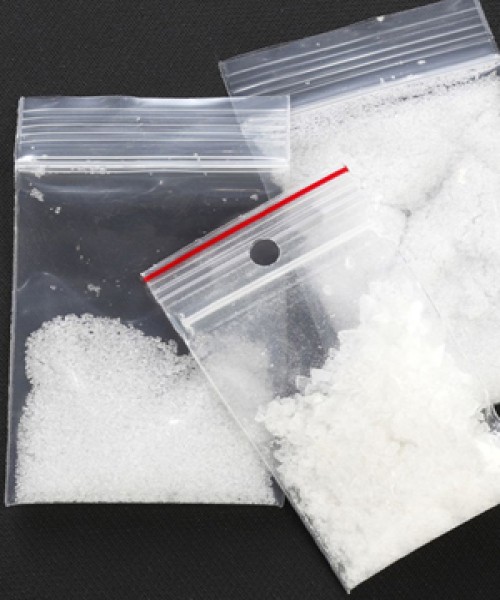
PROTONITAZENE (PROPOXYNITAZENE)
$153.00 – $948.00Price range: $153.00 through $948.00
Protonitazene (Propoxynitazene): Pharmacology, N-Desethyl Protonitazene, Toxicology and Safety
What Is Protonitazene?
What is protonitazene? Protonitazene is a synthetic opioid belonging to the 2-benzylbenzimidazole family, a group commonly known as nitazene opioids. Scientists and forensic laboratories have paid increasing attention to this family because several nitazenes demonstrate strong activity at the mu-opioid receptor (MOR) and have appeared in drug seizures, toxicology samples, and overdose investigations.
Protonitazene is not an ordinary prescription pain medication in the United States. Its appearance in scientific literature primarily reflects forensic, toxicological, pharmacological, and public-health research.
The name propoxynitazene is also encountered in discussions of this compound, although naming conventions for emerging synthetic opioids can vary across databases and forensic reporting systems. Precise chemical identification matters more than relying on informal terminology.
Readers researching emerging cannabinoid and psychoactive-compound terminology can explore additional educational material at cannabinoidseller.com.
Understanding the Nitazene Opioid Family
Nitazenes trace their chemical history to pharmaceutical research involving 2-benzylbenzimidazole derivatives.
Researchers investigated compounds from this family decades ago while searching for analgesics. Many never became approved medicines.
Their modern relevance comes from a different source: novel nitazene analogues have emerged in unregulated drug supplies.
Examples that forensic scientists have monitored include compounds such as:
- isotonitazene
- metonitazene
- etonitazene
- protonitazene
- butonitazene
- etodesnitazene
- N-desethyl analogues of several nitazenes
These substances do not necessarily have identical potency or pharmacokinetics.
Even relatively small molecular changes can alter receptor activity, metabolism, and toxicological characteristics.
How Does Protonitazene Work?
Protonitazene acts as a potent mu-opioid receptor agonist.
Mu-opioid receptors form part of the body’s endogenous opioid system. They influence several physiological processes, including:
- pain perception
- respiratory control
- reward
- sedation
- gastrointestinal activity
- physical dependence
When an agonist activates these receptors, it can produce opioid-like effects.
At excessive exposure, however, opioid receptor activation can suppress the neurological drive to breathe.
This creates the central danger associated with potent synthetic opioids: respiratory depression.
A person can progress from sedation to severely impaired breathing, oxygen deprivation, unconsciousness, and death.
Protonitazene Is Not a Typical Pharmaceutical Opioid
The word “opioid” includes many chemically different substances.
Morphine, oxycodone, fentanyl, methadone, buprenorphine, and protonitazene can interact with opioid systems, but this does not make them medically interchangeable.
Established pharmaceutical opioids undergo regulated manufacturing and have defined formulations and clinical indications.
Protonitazene does not have an established role as a routinely prescribed analgesic in the United States.
That distinction matters because describing an experimental or emerging compound as an “opioid” should never imply that it carries the same medical evidence as an approved medicine.
What Is N-Desethyl Protonitazene?
N-desethyl protonitazene, also written N-desethylprotonitazene, is closely related to protonitazene and has become important in forensic toxicology.
The term N-desethyl describes a structural modification involving removal of an ethyl group from a nitrogen-containing portion of the parent molecule.
In biological systems, metabolism can transform a parent drug into related compounds called metabolites.
Researchers study metabolites because they can help answer questions such as:
- whether exposure to a parent substance occurred,
- how the body processed the substance,
- which compounds remain detectable,
- and whether a metabolite itself has pharmacological activity.
With nitazenes, metabolites deserve particular attention because some N-desethyl metabolites can retain substantial opioid receptor activity.
N-Desethylprotonitazene and Metabolism
Understanding N-desethylprotonitazene illustrates why forensic toxicology involves more than looking for a parent drug.
After a substance enters the body, enzymes can transform it through several metabolic pathways.
These transformations can involve processes such as:
- N-dealkylation
- O-dealkylation
- hydroxylation
- reduction
- conjugation
Researchers identify resulting metabolites using sophisticated analytical techniques.
The presence and relative importance of particular metabolites can help forensic laboratories interpret biological specimens.
This information can also improve analytical testing because the original parent compound may not always provide the strongest or longest-lasting marker of exposure.
Why Active Metabolites Matter
People sometimes assume that metabolism simply makes a drug inactive.
That assumption is incorrect.
Some metabolites lose most of their pharmacological activity.
Others remain active.
Some can even display substantial receptor activity of their own.
This makes metabolic research particularly important for potent synthetic opioids.
Scientists need to understand both the parent compound and pharmacologically relevant metabolites when interpreting potential toxicity.
N-desethyl analogues have therefore become an important area of nitazene research.
Protonitazene Toxicology
Protonitazene toxicology focuses on questions that differ from ordinary pharmaceutical research.
Forensic scientists may investigate:
- biological specimens from suspected poisonings,
- postmortem blood,
- urine,
- drug materials,
- metabolite patterns,
- co-occurring substances,
- and analytical detection methods.
This research helps public-health agencies recognize emerging threats.
However, toxicological interpretation becomes difficult when multiple substances occur together.
An overdose investigation might detect an opioid alongside stimulants, benzodiazepines, alcohol, or other depressants.
Researchers must therefore interpret toxicology results in context rather than attributing every finding to a single chemical automatically.
Why Potent Synthetic Opioids Raise Concern
Potent synthetic opioids present several public-health challenges.
Small amounts can have substantial biological effects
High receptor potency can make exposure particularly difficult to predict when product concentration remains unknown.
Unregulated products may contain unexpected compounds
Someone may encounter a synthetic opioid without knowing its precise chemical identity.
Polysubstance exposure is common
Other depressants can intensify sedation and respiratory depression.
Novel substances can evade routine testing
Standard toxicology panels do not necessarily identify every newly emerging nitazene.
Human evidence may initially remain limited
A newly detected compound can circulate before researchers have accumulated extensive clinical data.
These factors make surveillance and public education particularly important.
Protonitazene Street Name: Why Slang Is Unreliable
People searching protonitazene street name may expect one established nickname.
Emerging synthetic opioids often do not have a single reliable street name.
This matters because street terminology can change rapidly and may describe mixtures rather than specific chemicals.
An unregulated product might be marketed using generic opioid slang without accurately disclosing its composition.
Consequently, a protonitazene street name cannot reliably identify protonitazene.
A laboratory needs appropriate analytical testing to determine chemical identity.
Street Names Do Not Establish Chemical Identity
This principle extends beyond protonitazene.
Appearance, packaging, branding, or slang cannot reliably reveal whether a substance contains:
- heroin,
- fentanyl,
- a nitazene,
- another synthetic opioid,
- several opioids,
- or no opioid at all.
Modern forensic chemistry relies on instrumental analysis rather than visual identification.
This distinction also explains why public-health messaging increasingly focuses on the unpredictability of unregulated drug supplies rather than teaching people to recognize specific drugs from appearance.
For further educational exploration of psychoactive-compound terminology, readers can visit cannabinoidseller.com.
Protonitazene vs. Fentanyl
Protonitazene and fentanyl are both synthetic opioids, but they belong to different chemical families.
| Feature | Protonitazene | Fentanyl |
|---|---|---|
| Broad category | Synthetic opioid | Synthetic opioid |
| Chemical family | 2-benzylbenzimidazole | Phenylpiperidine |
| Major receptor | Mu-opioid receptor | Mu-opioid receptor |
| Established medical role | No routine approved role | Yes |
| Forensic importance | Emerging synthetic opioid | Major contributor to U.S. opioid deaths |
| Respiratory-depression concern | Yes | Yes |
Sharing a receptor target does not make two substances chemically identical.
Protonitazene vs. Heroin
Heroin belongs to another chemical category.
Heroin, or diacetylmorphine, derives chemically from morphine. Protonitazene belongs to the synthetic benzimidazole opioid family.
Both can ultimately produce strong mu-opioid receptor effects, but their chemistry and metabolism differ.
This distinction reinforces a central principle:
“Opioid” describes pharmacological activity more broadly than a single chemical structure.
Signs of Opioid Intoxication
Because protonitazene produces opioid activity, recognizing general opioid poisoning remains important.
Possible signs include:
- profound sleepiness
- difficulty waking
- slowed responses
- constricted pupils
- slowed or irregular breathing
- reduced consciousness
Severe opioid poisoning can progress to respiratory arrest.
A person who cannot be awakened or is breathing abnormally requires immediate emergency medical attention.
Determining whether protonitazene, fentanyl, heroin, or another opioid caused the emergency should never delay lifesaving care.
What Does an Opioid Overdose Look Like?
Several warning signs should raise immediate concern:
- inability to wake the person,
- extremely slow or absent breathing,
- unusual snoring, choking, or gurgling in an unresponsive person,
- limpness,
- pale, gray, or bluish skin or lips,
- and loss of consciousness.
Opioid overdose can kill primarily because breathing becomes inadequate.
Rapid intervention matters.
Naloxone and Synthetic Opioid Overdose
Naloxone is an opioid receptor antagonist used to reverse opioid-induced respiratory depression.
Because nitazenes act at opioid receptors, naloxone is pharmacologically relevant when a nitazene overdose is suspected.
During a suspected opioid overdose, the priorities are to contact emergency medical services, administer an available approved opioid-reversal medicine according to its instructions, support breathing as directed, and remain with the person until professional help arrives.
A person who wakes after naloxone still requires medical evaluation because opioid effects can outlast the reversal medication.
Why Multiple Naloxone Doses May Sometimes Be Needed
Potent or long-lasting opioid exposure can complicate overdose reversal.
An initial dose of naloxone may not always produce an adequate response, or respiratory depression can recur.
Approved naloxone products provide instructions concerning repeat administration.
The important principle is not to determine opioid potency by experimenting with naloxone response.
Instead, suspected overdose requires emergency medical involvement regardless of how quickly the person initially responds.
Protonitazene and Polysubstance Risk
Combining opioids with other central nervous system depressants can substantially increase danger.
Particularly concerning combinations involve:
- benzodiazepines,
- alcohol,
- sedative medications,
- and other opioids.
These substances can independently impair consciousness or breathing.
Naloxone reverses opioid receptor effects, but it does not reverse every possible intoxicant.
Therefore, apparent improvement after naloxone does not eliminate the need for emergency assessment.
Why Laboratory Identification Matters
Modern forensic laboratories use advanced analytical technologies to identify emerging opioids.
Methods may include forms of:
- liquid chromatography,
- mass spectrometry,
- high-resolution mass spectrometry,
- and reference-standard comparison.
These methods allow scientists to distinguish compounds that might otherwise appear extremely similar.
They can also identify metabolites such as N-desethyl protonitazene.
Routine screening methods may miss emerging synthetic opioids if laboratories have not specifically incorporated them into their analytical scope.
Why N-Desethyl Protonitazene Matters to Forensic Scientists
A metabolite can provide evidence that a particular metabolic process occurred after exposure.
That distinction can become important when interpreting biological samples.
Forensic researchers study N-desethylprotonitazene to understand:
- metabolic pathways,
- analytical markers,
- receptor activity,
- toxicological relevance,
- and interpretation of biological specimens.
Research into metabolites therefore contributes both to pharmacology and public-health surveillance.
Research Chemical Does Not Mean Safe Chemical
Protonitazene may appear in discussions involving “research chemicals,” but that phrase can be misleading.
Researchers may investigate a substance precisely because it presents an emerging toxicological concern.
Scientific research can involve:
- receptor characterization,
- analytical detection,
- metabolism,
- forensic toxicology,
- overdose investigations,
- and public-health surveillance.
None of these activities establishes a compound as safe for unsupervised human use.
This distinction becomes particularly important for highly active synthetic opioids.
U.S. Public-Health Importance of Emerging Nitazenes
The United States continues to face a drug supply heavily affected by potent synthetic opioids.
Fentanyl remains the best-known example, but emerging nitazenes demonstrate why surveillance cannot focus on one opioid indefinitely.
When new compounds appear, forensic laboratories need to:
- identify their structures,
- develop analytical standards,
- characterize metabolites,
- evaluate receptor activity,
- document poisoning cases,
- and communicate findings to public-health agencies.
This process can take time.
A newly emerging opioid may therefore circulate before researchers fully understand its human toxicology.
Frequently Asked Questions
1. What is protonitazene?
Protonitazene is a synthetic opioid belonging to the 2-benzylbenzimidazole family commonly associated with nitazenes. It acts strongly at mu-opioid receptors and has become relevant to forensic and public-health research.
2. What is N-desethyl protonitazene?
N-desethyl protonitazene is a closely related compound important in protonitazene metabolism and forensic toxicology. Researchers study it as a potential marker of exposure and because N-desethyl nitazene metabolites can retain pharmacological activity.
3. Is protonitazene the same as fentanyl?
No. Both are synthetic opioids that can activate mu-opioid receptors, but they belong to different chemical families. Fentanyl also has established medical applications, whereas protonitazene does not have a routine approved therapeutic role.
4. Does protonitazene have a street name?
There is no single reliable street name that can verify protonitazene. Street terminology frequently changes and cannot establish the chemical composition of an unregulated product.
5. Can naloxone reverse a protonitazene overdose?
Naloxone antagonizes opioid receptors and is relevant to suspected overdose involving nitazene opioids. Any suspected opioid overdose requires immediate emergency medical assistance even when naloxone produces an apparent response.
6. Why do scientists study protonitazene metabolites?
Scientists study metabolites such as N-desethylprotonitazene to understand how the body processes the parent compound, improve forensic detection, identify useful biomarkers, and evaluate whether metabolites retain opioid activity.
Educational Resources
For additional educational exploration of cannabinoids, emerging compounds, and receptor terminology, visit cannabinoidseller.com.
For broader scientific context, useful authoritative resources include PubMed, U.S. Drug Enforcement Administration, and National Institute on Drug Abuse.
| Quantity | 5grams, 10grams, 50grams, 100grams, 500grams, 1kg, 5kg, 10kg |
|---|
Be the first to review “PROTONITAZENE (PROPOXYNITAZENE)” Cancel reply
Related products
Opioids
Opioids
Opioids
Opioids
New
sedative

Reviews
There are no reviews yet.