
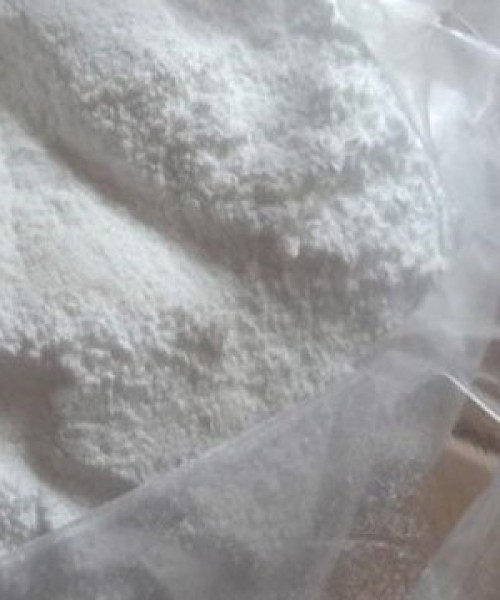


NITROMETHAQUALONE
Nitromethaqualone is a synthetic quinazolinone sedative-hypnotic related structurally to methaqualone.
Historical pharmacological research investigated it as a methaqualone analogue during the 1960s. Later studies examined how the compound was metabolized and eliminated in humans and experimental animals.
Importantly, Nitromethaqualone is not an opioid.
Therefore, withdrawal involving Nitromethaqualone should not automatically be described using the same model as withdrawal from:
- heroin
- oxycodone
- hydrocodone
- OxyContin
- Norco
Those drugs primarily affect opioid receptors, whereas methaqualone-related sedative-hypnotics belong to a different pharmacological family.
Consequently, this article explains both categories separately.
For additional educational research on psychoactive compounds, visit cannabinoidseller.com.
NITROMETHAQUALONE Pharmacology
Nitromethaqualone belongs to the broader family of compounds related to methaqualone, a historical central nervous system depressant.
Early published research classified Nitromethaqualone among:
- hypnotics
- sedatives
- anticonvulsant-related experimental compounds
- methaqualone analogues
Moreover, modern chemical databases identify Nitromethaqualone as:
2-methyl-3-(2-methoxy-4-nitrophenyl)-4(3H)-quinazolinone
Its structural relationship to methaqualone is important because chronic exposure to CNS depressants can produce tolerance and physical dependence.
However, specific modern human withdrawal studies involving Nitromethaqualone remain scarce.
For that reason, a detailed Nitromethaqualone-specific withdrawal timeline cannot responsibly be presented as established medical fact.
NITROMETHAQUALONE Metabolism
Historical human metabolism studies provide more evidence about Nitromethaqualone disposition than about its withdrawal syndrome.
Researchers found that Nitromethaqualone underwent significant biotransformation before elimination.
In both humans and rats, the nitro group could be reduced to an amino derivative.
Additionally, part of that metabolite underwent further acetylation.
These studies confirm that the human body metabolizes Nitromethaqualone through identifiable pathways. Nevertheless, metabolism data alone do not establish a precise dependence or withdrawal profile.
Therefore, extrapolating exact withdrawal timing from methaqualone, benzodiazepines or barbiturates would be scientifically weak.
NITROMETHAQUALONE Withdrawal Symptoms: What Do We Know?
Direct clinical evidence describing Nitromethaqualone withdrawal symptoms is limited.
Still, because it belongs to a sedative-hypnotic drug family, abrupt discontinuation after sustained heavy exposure could reasonably raise concern for CNS-depressant withdrawal.
Potential sedative withdrawal syndromes can involve:
- anxiety
- insomnia
- restlessness
- tremor
- agitation
- sweating
- increased autonomic activity
Furthermore, severe withdrawal from certain CNS depressants can involve:
- confusion
- hallucinations
- seizures
- delirium
However, these effects should not be presented as a proven Nitromethaqualone-specific checklist.
Instead, anyone experiencing significant symptoms after stopping an unknown or chronic sedative should seek medical evaluation.
NITROMETHAQUALONE Withdrawal Is Not Opiate Withdrawal
The distinction between sedative withdrawal and opioid withdrawal matters.
Opioid withdrawal typically produces a recognizable cluster of autonomic, gastrointestinal and flu-like symptoms.
Sedative-hypnotic withdrawal, meanwhile, can involve greater concern about neurological hyperexcitability.
Therefore:
Nitromethaqualone withdrawal ≠ heroin withdrawal
and
Nitromethaqualone withdrawal ≠ oxycodone withdrawal
Even when certain symptoms overlap, the mechanisms and medical risks differ.
What Are Withdrawal Symptoms?
The broad question what are withdrawal symptoms? depends entirely on the substance involved.
Withdrawal occurs when the body has adapted to repeated drug exposure and then experiences a reduction or discontinuation.
Symptoms vary according to:
- drug class
- duration of exposure
- frequency
- underlying health
- other substances
- individual physiology
For instance, opioid withdrawal often causes gastrointestinal and autonomic symptoms, whereas alcohol or sedative withdrawal can sometimes cause severe neurological complications.
Therefore, identifying the drug class is essential.
Withdrawal Effects
General withdrawal effects can affect several body systems.
Possible categories include:
- mood changes
- sleep disruption
- autonomic symptoms
- gastrointestinal symptoms
- pain
- tremor
- cravings
- cognitive changes
Nevertheless, each drug class produces its own characteristic pattern.
Moreover, symptoms can range from mildly uncomfortable to medically dangerous.
Heroin Detox
It refers to the management of withdrawal after stopping heroin, a short-acting opioid.
Heroin withdrawal often begins relatively soon after the last exposure because heroin and its active metabolites act comparatively quickly.
Symptoms can include:
- craving
- anxiety
- restlessness
- insomnia
- sweating
- yawning
- runny nose
- tearing
- muscle aches
- abdominal cramps
- nausea
- vomiting
- diarrhea
Although heroin withdrawal can be extremely distressing, its clinical management is fundamentally different from managing withdrawal from sedative-hypnotics.
Withdrawal Symptoms of Heroin
Common withdrawal symptoms of heroin include early symptoms such as:
- restlessness
- anxiety
- yawning
- sweating
- watery eyes
- runny nose
- muscle aches
Subsequently, gastrointestinal symptoms may become more prominent.
These can include:
- nausea
- vomiting
- abdominal cramping
- diarrhea
In addition, people may experience:
- insomnia
- irritability
- strong cravings
- rapid heart rate
- elevated blood pressure
- gooseflesh
The severity varies from person to person.
How Long Is Heroin Withdrawal?
The duration of heroin withdrawal depends on:
- duration of use
- frequency
- amount
- co-occurring substances
- individual physiology
- treatment
For short-acting opioids, acute symptoms commonly begin within hours and may improve substantially within about 5–10 days.
However, some symptoms—particularly:
- insomnia
- irritability
- low mood
- cravings
can persist for weeks or longer.
HHS notes that prolonged emotional and sleep-related symptoms can continue after the acute phase resolves.
NITROMETHAQUALONE and Opiate Detox
Opiate detox is a broad term for managing withdrawal after stopping an opioid.
Although people often use “opiate” and “opioid” interchangeably, opioid is the broader pharmacological term.
Opioid withdrawal commonly includes:
- craving
- restlessness
- anxiety
- sweating
- yawning
- abdominal pain
- nausea
- vomiting
- diarrhea
- tremor
- muscle aches
Still, withdrawal management alone is not considered complete treatment for opioid use disorder.
Long-term treatment may require medications and behavioral support.
NITROMETHAQUALONE and Narcotic Withdrawal
The phrase narcotic withdrawal commonly refers to opioid withdrawal.
However, “narcotic” is not always used consistently outside medical or legal contexts.
When discussing withdrawal scientifically, naming the specific drug is more useful.
For example:
- heroin withdrawal
- hydrocodone withdrawal
- oxycodone withdrawal
are clearer descriptions than simply saying “narcotic withdrawal.”
NITROMETHAQUALONE and Hydrocodone Detox Symptoms
Hydrocodone is an opioid analgesic.
Therefore, hydrocodone detox symptoms generally resemble other opioid withdrawal syndromes.
Possible symptoms include:
- anxiety
- restlessness
- insomnia
- sweating
- muscle aches
- runny nose
- yawning
- nausea
- abdominal cramps
- diarrhea
- cravings
Nevertheless, symptom onset and duration can vary according to formulation and exposure history.
NITROMETHAQUALONE and Withdrawal Symptoms of Hydrocodone
As withdrawal progresses, withdrawal symptoms of hydrocodone can involve both physical and emotional changes.
Physical symptoms may include:
- sweating
- aches
- stomach cramps
- diarrhea
- nausea
- tremor
Meanwhile, psychological symptoms may include:
- anxiety
- irritability
- insomnia
- dysphoria
- cravings
Furthermore, sudden discontinuation after prolonged prescribed opioid therapy can cause substantial distress.
For that reason, clinicians often individualize opioid tapering.
NITROMETHAQUALONE and Norco Withdrawal
Norco historically refers to a combination product containing:
- hydrocodone
- acetaminophen
Therefore, Norco withdrawal generally refers to withdrawal from the hydrocodone component.
The acetaminophen component does not create opioid withdrawal.
Consequently, the withdrawal syndrome may include:
- restlessness
- anxiety
- sweating
- gastrointestinal upset
- aches
- insomnia
- cravings
Medical supervision becomes particularly useful after long-term opioid therapy.
NITROMETHAQUALONE and Oxycodone Detox
Oxycodone is another opioid analgesic.
Withdrawal can occur when physical dependence has developed and opioid exposure is stopped or reduced too quickly.
Possible symptoms include:
- anxiety
- restlessness
- sweating
- yawning
- runny nose
- muscle aches
- abdominal cramps
- diarrhea
- nausea
- insomnia
Additionally, strong cravings can increase relapse risk.
NITROMETHAQUALONE and Symptoms of Oxycodone Withdrawal
Symptoms of oxycodone withdrawal frequently involve both autonomic and gastrointestinal systems.
They may include:
- sweating
- enlarged pupils
- tremor
- hot and cold sensations
- nausea
- vomiting
- diarrhea
- muscle or joint pain
- anxiety
- insomnia
Moreover, pain can temporarily feel worse during opioid withdrawal.
This is one reason abrupt discontinuation of long-term opioid therapy is generally discouraged.
NITROMETHAQUALONE and OxyContin Withdrawal
OxyContin is an extended-release formulation of oxycodone.
Therefore, OxyContin withdrawal remains opioid withdrawal.
However, formulation can affect the timing of symptom onset.
Longer-acting formulations may begin producing withdrawal later than short-acting opioids.
Nevertheless, once established, symptoms may still include:
- restlessness
- sweating
- stomach cramps
- nausea
- diarrhea
- aches
- insomnia
- anxiety
- cravings
How Long Do Withdrawal Symptoms Last?
There is no single answer to how long withdrawal symptoms last.
Duration depends heavily on drug class.
For opioid withdrawal, acute symptoms commonly improve over several days.
HHS guidance notes that early opioid-withdrawal symptoms often resolve within approximately 5–10 days, although some symptoms can continue considerably longer.
By contrast, there is not enough modern clinical evidence to establish an equivalent Nitromethaqualone withdrawal timetable.
Therefore, applying an opioid timeline to Nitromethaqualone would be inappropriate.
NITROMETHAQUALONE and Effects of Withdrawal From Drugs
The effects of withdrawal from drugs range from mild discomfort to medical emergencies.
For example:
Opioids
Usually produce severe discomfort but are less commonly directly life-threatening in otherwise healthy adults.
Alcohol
Can produce seizures and delirium in severe withdrawal.
Benzodiazepines and related sedatives
Can produce dangerous neurological complications after significant physical dependence.
Stimulants
Can produce profound fatigue, low mood and sleep disruption.
Consequently, the safest approach depends on knowing what drug is involved.
NITROMETHAQUALONE: Can You Die From Heroin Withdrawal?
The question can you die from heroin withdrawal? requires nuance.
Opioid withdrawal is generally considered less directly lethal than withdrawal from alcohol or certain sedatives.
However, that does not make heroin withdrawal harmless.
Complications can include:
- severe dehydration
- electrolyte problems
- aspiration
- worsening medical illness
- relapse
Perhaps most importantly, tolerance can fall during abstinence.
If a person later returns to the amount previously used, overdose risk can increase substantially.
Therefore, supervised treatment offers advantages beyond simply controlling immediate symptoms.
NITROMETHAQUALONE and Medication for Withdrawal
There is no single medication for withdrawal that works for every drug.
Treatment depends on the substance involved.
For opioid use disorder, FDA-approved medications include:
- buprenorphine
- methadone
- naltrexone
Additionally, clinicians may use medications to manage particular withdrawal symptoms.
Importantly, medications for opioid use disorder do more than simply treat short-term detox symptoms.
They can reduce relapse and overdose risk when used appropriately.
NITROMETHAQUALONE and Opiate Withdrawal Medicine
Common opiate withdrawal medicine approaches include medications that directly treat opioid use disorder and medications targeting individual symptoms.
For example, clinicians may use:
- buprenorphine
- methadone
for opioid use disorder.
Meanwhile, lofexidine is FDA-approved to mitigate opioid-withdrawal symptoms during abrupt discontinuation in adults.
Other medications may be chosen for:
- nausea
- diarrhea
- muscle pain
- sleep problems
However, medication choice should be individualized.
NITROMETHAQUALONE and How to Help With Withdrawals
The safest way to help with withdrawals depends on the suspected substance.
Helpful general steps include:
- identify the drug if possible
- seek medical assessment for severe symptoms
- prevent dehydration
- avoid adding alcohol or sedatives to self-treat symptoms
- monitor mental status
- obtain professional addiction treatment when appropriate
Furthermore, people with severe dependence should not assume that suddenly stopping every depressant is the safest option.
Certain withdrawal syndromes require medical supervision.
NITROMETHAQUALONE and Opioid Tapering
For long-term prescribed opioid therapy, abrupt discontinuation can cause unnecessary withdrawal and increase harm.
HHS advises individualized reduction strategies.
Moreover, significant withdrawal symptoms during a taper can indicate that the reduction is proceeding too quickly.
Therefore, tapering should generally be adjusted according to the patient’s response rather than following one rigid internet schedule.
This article does not provide individualized taper doses.
NITROMETHAQUALONE and Withdrawal Treatment vs. Addiction Treatment
Withdrawal management and addiction treatment are not the same thing.
Detoxification primarily addresses immediate withdrawal.
However, opioid use disorder is a chronic medical condition that may require longer-term treatment.
CDC and addiction-medicine guidance support medications for opioid use disorder because they can reduce:
- illicit opioid use
- overdose risk
- mortality
Consequently, completing a detox period does not necessarily mean treatment is complete.
NITROMETHAQUALONE and Sedative Dependence
Animal research involving methaqualone provides evidence that chronic exposure to this drug family can produce tolerance and cross-tolerance with other CNS depressants.
Additionally, older dependence research found cross-physical-dependence relationships involving methaqualone, barbiturates and other depressants.
Nevertheless, these studies do not establish a precise Nitromethaqualone withdrawal protocol in humans.
Instead, they support the broader conclusion that methaqualone-related depressants should not be assumed to be free from dependence risk.
NITROMETHAQUALONE and Why Self-Detox Can Be Risky
Self-directed withdrawal becomes more concerning when:
- the drug identity is uncertain
- multiple depressants were involved
- alcohol was used regularly
- benzodiazepines were also involved
- seizures occurred previously
- severe medical conditions exist
- the person is pregnant
Furthermore, products sold as research chemicals may be mislabeled.
Therefore, a person may believe they are withdrawing from one drug while actually being exposed to several.
NITROMETHAQUALONE Emergency Withdrawal Warning Signs
Seek urgent medical help if withdrawal or recent drug exposure causes:
- seizures
- severe confusion
- hallucinations
- delirium
- loss of consciousness
- difficulty breathing
- persistent vomiting with dehydration
- chest pain
- suicidal thoughts
- extreme agitation
Additionally, if opioid overdose is possible and a person is unresponsive or breathing abnormally, call emergency services and administer naloxone according to approved instructions if available.
NITROMETHAQUALONE Frequently Asked Questions
1: What is Nitromethaqualone?
Nitromethaqualone is a quinazolinone sedative-hypnotic related to methaqualone. Historical studies investigated its pharmacology, metabolism and therapeutic potential.
2: Is Nitromethaqualone an opioid?
No. Nitromethaqualone is not heroin, hydrocodone, oxycodone or another opioid. Consequently, its pharmacology and potential withdrawal syndrome should not be equated with opioid withdrawal.
3: What are the symptoms of drug withdrawal?
Symptoms depend on the drug class. Opioid withdrawal commonly involves anxiety, sweating, gastrointestinal symptoms, insomnia and muscle aches, whereas severe sedative withdrawal can involve neurological complications such as seizures.
4: How long does opioid withdrawal last?
Acute symptoms from short-acting opioids often improve within about 5–10 days, although insomnia, irritability, dysphoria and cravings can continue for weeks or longer.
5: Can heroin withdrawal kill you?
Direct fatality from uncomplicated opioid withdrawal is less common than with severe alcohol or sedative withdrawal. Nevertheless, dehydration, medical complications and especially overdose after reduced tolerance can create serious danger.
6: What medicine helps opioid withdrawal?
Treatment can include medications for opioid use disorder such as buprenorphine and methadone. Lofexidine can also mitigate withdrawal symptoms in adults. Treatment choice should be determined clinically rather than through self-directed dosing.
Educational Resources
For further educational material about psychoactive and research chemicals, visit cannabinoidseller.com.
PubMed — Nitromethaqualone Pharmacology
Historical research documents Nitromethaqualone as a methaqualone-related hypnotic and sedative investigated pharmacologically in the 1960s.
PubMed — Nitromethaqualone Pharmacology
PubMed — Nitromethaqualone Metabolism
Human and animal research documented substantial metabolism of Nitromethaqualone, including reduction of its nitro group to an amino metabolite.
PubMed — Nitromethaqualone Biotransformation
CDC — Opioid Use Disorder
They provides evidence-based information about opioid dependence, withdrawal and treatment.
For additional educational research, visit cannabinoidseller.com and further compound information available through cannabinoidseller.com.
| Quantity | 10grams, 50grams, 100grams, 500grams, 1kg, 5kg, 10kg |
|---|
Be the first to review “NITROMETHAQUALONE”
Related products

sedative
sedative

sedative

sedative
sedative
sedative
Opioids

Reviews
There are no reviews yet.