
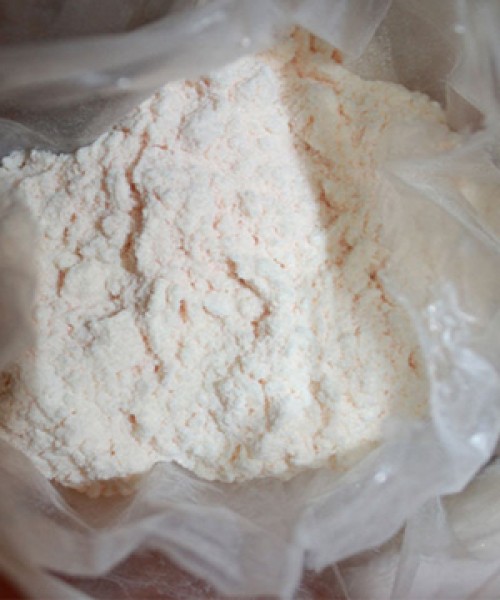
Metodesnitazene: Synthetic Opioid Pharmacology, Overdose Reversal, Street Names and Addiction
Metodesnitazene is a synthetic opioid from the 2-benzylbenzimidazole family, which researchers often discuss alongside nitazene opioids. It belongs to a group of emerging non-fentanyl opioids that forensic scientists monitor because of their activity at opioid receptors and their appearance in unregulated drug markets.
Chemically, Metodesnitazene is a desnitro analogue. That means it lacks the nitro group found in several better-known nitazenes. This structural difference matters because removing or changing even one molecular group can substantially alter receptor affinity and potency.
Recent pharmacological research found that Metodesnitazene acts at the mu-opioid receptor (MOR) but showed lower MOR affinity than fentanyl in one comparative laboratory study. This is an important reminder that not every nitazene or nitazene-related opioid should automatically be described as “stronger than fentanyl.”
The U.S. Drug Enforcement Administration lists Metodesnitazene as a Schedule I controlled substance, DEA number 9764.
For broader educational exploration of emerging compounds and cannabinoid terminology, readers can visit cannabinoidseller.com.
Metodesnitazene and the Nitazene Family
Nitazenes originated from mid-20th-century medicinal chemistry involving 2-benzylbenzimidazole compounds.
Researchers initially investigated members of this family as potential analgesics. They never became widely established pharmaceutical pain medicines.
Their modern significance comes from forensic toxicology and the changing illicit opioid market.
Since 2019, multiple nitazene compounds have appeared in drug samples in the United States. DEA continues to describe nitazenes as an emerging synthetic-opioid threat and warns that some members of the group can match or exceed fentanyl in potency.
Metodesnitazene belongs within this broader chemical landscape but has its own pharmacological profile.
How Does Metodesnitazene Work?
Metodesnitazene acts primarily through the mu-opioid receptor.
Mu-opioid receptors help regulate:
- pain perception
- reward
- sedation
- gastrointestinal activity
- physical dependence
- respiratory control
When an opioid agonist activates these receptors, it can reduce pain perception and produce sedation.
Excessive activation can also suppress breathing.
This respiratory effect represents the central life-threatening mechanism behind many opioid overdoses.
Is Metodesnitazene as Potent as Fentanyl?
Scientific evidence requires a nuanced answer.
A 2024 receptor study evaluated 19 substituted nitazenes and found substantial differences between compounds.
While many tested nitazenes showed extremely high MOR affinity and potency, Metodesnitazene and flunitazene had significantly lower MOR affinity than fentanyl under the study conditions.
That does not make Metodesnitazene safe.
A drug can have lower receptor affinity than fentanyl and still produce dangerous opioid effects.
It simply means researchers should avoid treating all nitazenes as pharmacologically identical.
Why Chemical Structure Matters
Nitazene pharmacology demonstrates the importance of structure-activity relationships.
Small molecular modifications can change:
- receptor affinity
- potency
- receptor selectivity
- metabolism
- duration
- toxicological profile
A 2025 study of newly identified nitazenes found that structural substitutions significantly influenced MOR affinity, potency and selectivity. Most tested compounds remained highly selective for MOR, but their activity varied substantially.
Metodesnitazene provides a useful example because removal of the nitro group changes its properties relative to closely related nitazenes.
Metodesnitazene Metabolism
Forensic scientists also study what happens after Metodesnitazene enters the body.
A 2024 human-metabolism investigation examined Metodesnitazene together with isotonitazene, metonitazene and etodesnitazene.
Researchers identified 10 metabolites of Metodesnitazene in their experimental model.
Important metabolic pathways included:
- N-deethylation
- O-dealkylation
- further glucuronidation
The researchers proposed several metabolites as useful biomarkers that toxicology laboratories can use to document exposure.
Why Metabolites Matter in Forensic Toxicology
A parent drug does not necessarily remain the easiest substance to detect after metabolism begins.
The body can rapidly transform a compound into metabolites.
Forensic scientists therefore look for both:
the parent compound, and
characteristic metabolic products.
This approach helps laboratories detect exposure even when concentrations of the original substance have fallen.
With emerging opioids, metabolite research becomes especially important because routine testing may initially miss newer compounds.
Synthetic Opioid: What Does the Term Mean?
A synthetic opioid is a laboratory-created substance that interacts with opioid receptors.
Synthetic opioids do not share one universal chemical structure.
Examples include:
- fentanyl
- methadone
- brorphine
- AP-238
- nitazenes and related benzimidazole opioids
Some synthetic opioids have established medical uses.
Others, including Metodesnitazene, primarily appear in forensic and emerging-drug contexts.
Therefore, “synthetic opioid” does not automatically mean either pharmaceutical medicine or illicit fentanyl.
Synthetic Opioids Names
People searching synthetic opioids names may encounter several broad groups.
| Category | Examples |
|---|---|
| Established pharmaceutical synthetic opioids | Fentanyl, methadone |
| Nitazene-type opioids | Isotonitazene, metonitazene, protonitazene |
| Desnitro benzimidazole opioids | Metodesnitazene, etodesnitazene |
| Other novel synthetic opioids | Brorphine, AP-238 |
| Opioid antagonists | Naloxone, naltrexone |
This list describes categories rather than relative potency.
Each compound requires individual pharmacological evidence.
Opioids List of Drugs
A broader opioids list of drugs can include natural, semisynthetic and synthetic substances.
Examples include:
Naturally occurring opiates
- morphine
- codeine
Semisynthetic opioids
- oxycodone
- hydromorphone
- hydrocodone
Synthetic pharmaceutical opioids
- fentanyl
- methadone
Emerging synthetic opioids
- Metodesnitazene
- metonitazene
- protonitazene
- brorphine
- AP-238
Opioid antagonists
- naloxone
- naltrexone
The fact that these drugs interact with opioid systems does not make them medically interchangeable.
Opioid List vs. Opiate List
The terms opioid list and opiate list are often used interchangeably online, but they have different technical meanings.
Opiates traditionally refer to naturally occurring or closely derived substances associated with opium, such as morphine and codeine.
Opioids include the much broader family of substances that act at opioid receptors.
Metodesnitazene is therefore a synthetic opioid, not an opiate derived from opium.
Opium Street Names
The supporting keyword opium street names describes informal terminology associated with opium products.
Street language does not reliably identify chemistry.
An informal name can change between regions or refer to several different substances.
The same principle applies even more strongly to modern synthetic opioids.
A powder sold under generic opioid slang may contain fentanyl, a nitazene, another opioid, several substances or something entirely different.
Opioid Street Names
Opioid street names can create a false sense that specific slang identifies a specific drug.
It does not.
Street terms can change according to:
- geography
- seller
- time period
- formulation
- local drug market
Chemical identity requires proper analytical testing.
This matters because modern unregulated opioid supplies increasingly contain combinations of substances that users may not know are present.
In May 2026, DEA warned that illicit fentanyl was increasingly being mixed with emerging synthetic drugs, including nitazenes.
Street Name for Opioids
There is no universal street name for opioids.
Terms historically associated with heroin or other opioids should not be assumed to describe Metodesnitazene.
Likewise, Metodesnitazene does not have one dependable street nickname that can establish its presence.
Forensic chemistry—not slang—determines the compound in a sample.
For broader educational exploration of psychoactive-compound terminology, readers can visit cannabinoidseller.com.
What Are Opioid Intoxication Symptoms?
Possible opioid intoxication symptoms include:
- unusual drowsiness
- impaired coordination
- slowed responses
- confusion
- constricted pupils
- reduced consciousness
- slow or irregular breathing
Severe intoxication can progress to respiratory failure.
Other drugs can modify this presentation, so not everyone shows the same signs.
What Does an Opioid Overdose Look Like?
People searching what does an opioid overdose look like should recognize several emergency warning signs.
These include:
- inability to wake the person
- very slow breathing
- irregular breathing
- absent breathing
- unusual snoring or gurgling in an unresponsive person
- limpness
- very small pupils
- pale, gray or bluish lips or skin
An unresponsive person with abnormal breathing after suspected opioid exposure needs immediate emergency medical help.
Do not delay emergency care while trying to determine whether the substance was Metodesnitazene, fentanyl or another opioid.
Opiate OD vs. Opioid Overdose
The phrase opiate OD is common online.
However, opioid overdose is the more accurate broad term when discussing synthetic drugs such as Metodesnitazene.
Bringing terminology up to date matters because many contemporary overdose cases involve synthetic opioids rather than substances directly derived from opium.
The emergency physiology remains centered on dangerous suppression of breathing.
What Is Opioid Reversal?
Opioid reversal means blocking opioid receptor activity during poisoning.
The best-known opioid reversal medication is naloxone.
Naloxone acts as an opioid receptor antagonist.
It can displace opioid agonists from receptors and reverse opioid-induced respiratory depression.
This mechanism makes naloxone one of the most important emergency interventions in opioid overdose.
Naloxone and Nitazene Overdose
A comprehensive review of confirmed nitazene poisoning found that naloxone remains effective against nitazene overdose.
Some patients required repeated treatment or prolonged naloxone infusions because opioid effects persisted.
This is important for Metodesnitazene education because it reinforces two principles:
Naloxone remains relevant when a nitazene-type opioid is suspected.
But an initial response to naloxone does not mean the emergency has ended.
Opioid Reversal Medication
During suspected opioid overdose:
- Contact emergency medical services immediately.
- Administer an available approved opioid reversal medication according to its instructions.
- Follow emergency-dispatch guidance concerning breathing support or CPR.
- Give repeat medication according to product directions if necessary.
- Stay with the person until professional help arrives.
Opioid effects may outlast the antagonist.
Medical observation remains important after apparent recovery.
Reversal Agent for Opioids
Naloxone is the most widely recognized reversal agent for opioids.
Other opioid antagonist products also exist for overdose reversal.
These medications work because they block opioid receptors rather than activating them.
They do not directly reverse poisoning caused by substances that do not act as opioids.
This becomes important when multiple substances occur together.
Medication for Opioid Overdose
A medication for opioid overdose works best when people recognize overdose early.
Time matters because inadequate breathing reduces oxygen delivery to the brain.
Even a successful reversal does not eliminate the need for emergency evaluation.
Some nitazenes can produce prolonged effects, and polysubstance exposure can cause continuing unconsciousness even after opioid activity has been partly reversed.
Why Polysubstance Exposure Matters
Modern opioid toxicity increasingly involves mixtures.
DEA reported in 2026 that fentanyl may occur with nitazenes and other emerging synthetic substances, increasing the unpredictability of illicit drug supplies.
Other substances can include:
- benzodiazepines
- alcohol
- sedatives
- stimulants
- multiple opioids
Naloxone reverses opioid effects but does not counter every possible intoxicant.
Emergency assessment therefore remains essential.
Opioid Use Disorder Symptoms
Opioid use disorder symptoms involve a persistent pattern of opioid use that causes impairment or distress.
Possible symptoms include:
- strong cravings
- inability to control use
- repeated unsuccessful attempts to reduce use
- continued use despite health problems
- hazardous use
- neglecting responsibilities
- substantial time spent obtaining or recovering from opioids
- tolerance
- withdrawal
A healthcare professional considers the overall pattern when making a diagnosis.
Symptoms of Opioid Addiction
The phrase symptoms of opioid addiction generally overlaps with opioid use disorder.
Possible warning signs include compulsive use, prioritizing opioids over responsibilities, continuing despite serious consequences and repeated unsuccessful attempts to stop.
Physical dependence alone does not necessarily equal addiction.
A patient taking a medically prescribed opioid may develop tolerance or dependence without developing the behavioral syndrome of opioid use disorder.
Opioid Vape: Why the Term Raises Safety Concerns
The phrase opioid vape refers to discussion of opioid-containing or supposedly opioid-containing material used in vaping devices.
Unregulated vape products can pose substantial uncertainty.
Packaging cannot establish:
- chemical identity
- concentration
- purity
- contaminants
- actual delivered exposure
A vaping device that resembles a nicotine or cannabis product does not guarantee that it contains only those substances.
This is another reason visual appearance cannot replace laboratory analysis.
Synthetic Opioids and Today’s Drug Supply
Synthetic opioids now represent one of the most important areas of forensic drug surveillance in the United States.
Fentanyl remains dominant, but DEA continues to monitor emerging opioid classes.
Its 2026 public-safety advisory specifically highlighted nitazenes among increasingly concerning synthetic substances appearing with fentanyl.
This rapidly changing environment means educational lists can become outdated quickly.
Public-health surveillance must therefore track chemical families, metabolites and newly appearing analogues.
Why Metodesnitazene Matters to Toxicologists
Metodesnitazene offers researchers several important lessons.
First, individual nitazenes differ substantially in potency.
Second, metabolism creates important biomarkers that laboratories need to understand.
Third, removal of a nitro group can meaningfully alter receptor pharmacology.
Fourth, synthetic opioids can emerge faster than routine toxicology methods adapt.
Finally, overdose education must focus on the common life-threatening mechanism—respiratory depression—even when the exact opioid remains unknown.
Key Takeaways About Metodesnitazene
Metodesnitazene is a Schedule I synthetic benzimidazole opioid in the United States.
It acts primarily through the mu-opioid receptor but has shown lower MOR affinity than fentanyl in comparative laboratory research.
Researchers have identified multiple human metabolites that can help forensic laboratories document exposure.
Street names and appearance cannot reliably identify synthetic opioids.
And when opioid poisoning occurs, abnormal breathing and inability to wake are emergency warning signs. Naloxone remains an important reversal medication for nitazene poisoning, followed by urgent medical care.
For additional educational exploration of emerging compounds and cannabinoid terminology, readers can visit cannabinoidseller.com.
Frequently Asked Questions
1. What is Metodesnitazene?
Metodesnitazene is a synthetic 2-benzylbenzimidazole opioid and desnitro nitazene analogue. The DEA lists it as a Schedule I controlled substance in the United States.
2. Is Metodesnitazene stronger than fentanyl?
Not according to every laboratory measure. One major receptor study found Metodesnitazene had significantly lower MOR affinity than fentanyl, while many other nitazenes showed greater affinity or potency.
3. What does an opioid overdose look like?
Major warning signs include inability to wake, extremely slow or absent breathing, unusual gurgling or choking in an unresponsive person and pale, gray or bluish lips or skin. Treat suspected overdose as a medical emergency.
4. What medication reverses opioid overdose?
Naloxone is a widely used opioid antagonist. Reviews of nitazene poisonings show that it remains effective, although some cases require repeated treatment or prolonged medical management.
5. What are opioid use disorder symptoms?
Symptoms may include cravings, loss of control, continued opioid use despite harm, unsuccessful attempts to stop, hazardous use and neglect of major responsibilities.
6. Does Metodesnitazene have a reliable street name?
No street term can reliably identify Metodesnitazene. Slang, packaging and appearance do not establish chemical composition; validated analytical testing does.
Educational Resources
For broader educational exploration of emerging compounds and cannabinoid terminology, visit cannabinoidseller.com.
Useful scientific background includes research on Metodesnitazene metabolism, nitazene receptor pharmacology and overdose reversal. For additional educational reading on related emerging compounds, visit cannabinoidseller.com and cannabinoidseller.com.
| Quantity | 5grams, 10grams, 50grams, 100grams, 500grams, 1kg, 5kg, 10kg |
|---|
Be the first to review “METODESNITAZENE”
Related products
New
New
New
New

Reviews
There are no reviews yet.