
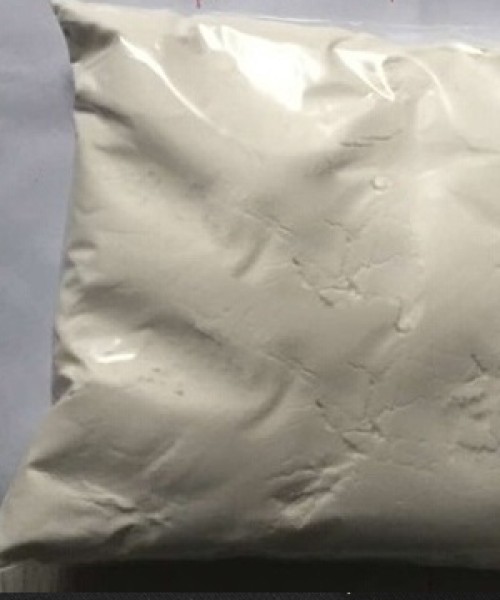
FLUONITAZENE

$200.00 – $1,482.00Price range: $200.00 through $1,482.00
Fluonitazene: Synthetic Opioids, N-Desethyl-Fluornitrazene and Nitazene Research
What Is Fluonitazene?
Fluonitazene is discussed within the rapidly evolving field of synthetic opioid and nitazene research. Nitazenes are 2-benzylbenzimidazole compounds originally investigated during pharmaceutical research in the mid-20th century. They did not become marketed analgesics, but numerous analogues have subsequently emerged in unregulated drug markets. Modern research shows that many nitazenes act as potent μ-opioid receptor (MOR) agonists, although activity varies substantially between individual analogues.
Naming deserves particular care in this area. Similar-looking terms can describe different compounds, metabolites, or analogues. Your supporting keyword N-desethyl-fluornitrazene, for example, refers to a compound now receiving significant scientific attention and should not automatically be treated as simply another spelling of Fluonitazene.
The same principle applies to Menitazene and Metodesnitazene. Researchers need precise chemical names because relatively small structural modifications can substantially change opioid receptor activity.
Readers exploring broader educational information about cannabinoids and emerging psychoactive compounds can visit cannabinoidseller.com.
Understanding Synthetic Opioids
Synthetic opioids are laboratory-created compounds that interact with opioid receptors.
The term describes a broad pharmacological category rather than one chemical structure.
Well-known synthetic or largely synthetic opioid medicines include fentanyl and methadone, while emerging synthetic opioids include numerous substances that have never received approval as medicines.
This distinction matters.
An opioid can belong to a scientifically recognized chemical family without being an approved pharmaceutical.
Nitazenes illustrate this difference particularly well. Scientists initially investigated the family as potential analgesics, but the compounds never became established marketed medicines. Their modern reappearance has occurred mainly through unregulated drug markets and forensic toxicology.
How Nitazene Opioids Work
Many nitazenes produce their characteristic pharmacological effects through the μ-opioid receptor.
These receptors influence:
- pain perception
- respiration
- reward
- gastrointestinal activity
- sedation
- physical dependence
When an opioid agonist activates MOR, it can produce analgesia and other opioid effects.
Excessive receptor activation can also suppress breathing.
This respiratory depression represents one of the major reasons potent synthetic opioids can cause fatal poisoning.
Recent research has demonstrated considerable differences between nitazene analogues. Several compounds exhibit extremely high MOR activity, while others show lower activity than fentanyl in particular experimental systems.
Fluonitazene and the Importance of Accurate Naming
Emerging-drug terminology changes quickly.
A single misplaced letter can inadvertently identify another compound.
Terms encountered in contemporary research include names such as:
- flunitazene
- fluetonitazene
- fluornitazene-related compounds
- N-desethyl-fluornitrazene
- metodesnitazene
- etodesnitazene
These should not be treated as interchangeable.
Forensic scientists rely on analytical chemistry rather than approximate names because closely related nitazenes can produce different mass spectra, receptor activity, and metabolic profiles.
A 2026 forensic study evaluating 18 nitazene analogues demonstrated precisely why laboratories need sophisticated analytical approaches to distinguish these structurally related compounds.
What Is N-Desethyl-Fluornitrazene?
N-desethyl-fluornitrazene (DFNZ) has recently attracted scientific interest because of unusual experimental pharmacology.
A 2026 study described DFNZ as a μ-opioid receptor superagonist derived from the nitazene class. In experimental models, researchers reported an unusual profile that included strong analgesic activity in rodents alongside limited brain penetration and fewer typical opioid adverse effects under the conditions studied.
This finding requires careful interpretation.
It does not mean that an unregulated product carrying a similar name represents a proven safe painkiller. Experimental animal and cellular research forms part of the drug-development process; it does not establish routine human safety or regulatory approval.
Instead, DFNZ provides researchers with a potentially important tool for studying how MOR signaling relates to analgesia, respiratory effects, tolerance, reinforcement, and other opioid properties.
Why N-Desethyl Compounds Matter
The prefix N-desethyl describes a specific structural modification.
N-desethyl compounds can sometimes appear as metabolites after the body processes a parent substance.
However, forensic scientists have discovered an important development: some N-desethyl nitazenes can also emerge as standalone substances rather than merely metabolites.
For example, researchers detected N-desethyl etonitazene in a drug-checking sample that had reportedly been sold as another nitazene. Laboratory analysis found that N-desethyl etonitazene itself strongly activated MOR.
This makes N-desethyl compounds important to both pharmacology and forensic interpretation.
Nitazene Metabolism
The body can transform nitazene opioids through several metabolic pathways.
Researchers studying human metabolism have identified processes including:
- N-deethylation
- O-dealkylation
- hydroxylation
- glucuronidation
- combinations of metabolic transformations
These metabolites can help toxicologists establish whether exposure occurred.
A human-metabolism study of isotonitazene, metonitazene, etodesnitazene, and metodesnitazene identified N-deethylation and O-dealkylation among important metabolic pathways.
Scientists have also shown that sample preparation itself can complicate interpretation of N-desethyl metabolites, emphasizing the need for carefully validated forensic methods.
What Is Metodesnitazene?
Metodesnitazene belongs to the broader 2-benzylbenzimidazole opioid family.
Its name reflects an important structural distinction: desnitazene analogues lack the characteristic 5-nitro substitution present in many traditional nitazenes.
That structural difference matters pharmacologically.
Research examining nitazene structure-activity relationships found that removing the 5-nitro group generally produced a pronounced reduction in MOR potency across tested analogues.
Another receptor study found that metodesnitazene displayed lower MOR affinity than fentanyl under its experimental conditions, demonstrating why researchers should not describe every nitazene as automatically “stronger than fentanyl.”
Individual compounds require individual evidence.
Menitazene and Emerging Nitazene Terminology
The keyword Menitazene also appears in online searches surrounding emerging benzimidazole opioids.
Researchers and readers should approach uncommon nitazene names carefully because spelling variants, informal names, metabolites, and newly characterized analogues can easily become confused.
Scientific identification requires more than a name appearing online.
Researchers typically establish identity using techniques such as high-resolution mass spectrometry, chromatography, nuclear magnetic resonance, and comparison against validated reference standards.
This approach prevents an approximate name from becoming an inaccurate pharmacological claim.
Opioids List: Understanding the Major Categories
An opioids list can contain drugs from several chemically different families.
A useful educational classification includes:
| Category | Examples |
|---|---|
| Naturally occurring opiates | Morphine, codeine |
| Semisynthetic opioids | Oxycodone, hydromorphone |
| Synthetic pharmaceutical opioids | Fentanyl, methadone |
| Partial opioid agonists | Buprenorphine |
| Nitazene-type synthetic opioids | Isotonitazene, metonitazene, protonitazene |
| Opioid antagonists | Naloxone, naltrexone |
These categories do not imply equivalent potency.
They simply help organize a large pharmacological family.
Opioid Drugs List vs. Opioid List
People searching opioid drugs list or opioid list often expect one simple catalog.
The reality is more complicated.
“Opioid” describes substances that interact with opioid receptors, particularly MOR, KOR, and DOR.
Different opioids can vary enormously in:
- receptor affinity
- intrinsic efficacy
- duration
- metabolism
- brain penetration
- medical application
- dependence potential
- respiratory effects
This explains why morphine, fentanyl, buprenorphine, naloxone, and nitazenes cannot simply be treated as variations of one identical drug.
Synthetic Opioids List
A general synthetic opioids list might include medically established and emerging substances.
Examples include:
Established medical context: fentanyl, methadone and certain related pharmaceutical opioids.
Emerging forensic context: isotonitazene, metonitazene, protonitazene and various newer nitazene analogues.
The distinction between these groups is crucial.
An approved synthetic opioid has undergone regulatory evaluation for defined medical indications.
An emerging synthetic opioid detected in forensic samples has not necessarily undergone anything comparable.
Readers researching related emerging-compound terminology can explore additional educational material at cannabinoidseller.com.
Are All Synthetic Opioids Extremely Potent?
No.
The phrase synthetic opioid describes how a compound originates chemically, not its exact potency.
Even within the nitazene family, potency varies considerably.
A 2025 review found that nitazenes display a broad range of pharmacological activity, with some analogues exceeding fentanyl while others do not.
Structure strongly influences activity.
Recent research has identified several structural features that influence nitazene interactions with MOR, including N-desethylation, side-chain characteristics, and the presence of the 5-nitro group.
Therefore, blanket potency claims about an entire chemical family can be misleading.
Opioid Synthesis: What the Term Means
Opioid synthesis describes the chemical creation of opioid compounds in laboratory, pharmaceutical, or illicit contexts.
In legitimate scientific research, medicinal chemists use synthesis to investigate how changes in molecular structure alter receptor activity and other pharmacological properties.
This process supports structure-activity relationship (SAR) research.
For example, scientists can compare closely related nitazene structures to determine how specific substitutions affect MOR signaling.
Modern studies have used this approach to explain why relatively small structural changes can produce large pharmacological differences.
For public education, understanding this concept does not require procedural instructions for manufacturing controlled or hazardous opioids. The scientifically useful lesson is that molecular structure strongly influences biological activity.
Why Nitazene Structure-Activity Relationships Matter
Structure-activity relationships help scientists connect chemistry with pharmacology.
Recent studies indicate that several structural regions work together when nitazenes interact with MOR.
Researchers have found that changes involving:
- N-desethyl substitution,
- side-chain length,
- ring substitutions,
- and the nitro group
can substantially alter receptor potency and efficacy.
These findings explain why simply knowing that two substances are “nitazenes” does not tell researchers everything about their effects.
Synthetic Opioids and Respiratory Depression
Respiratory depression remains one of the most important hazards associated with strong MOR agonism.
Some potent nitazenes can produce unusually prolonged opioid receptor effects.
Experimental research with isotonitazene and N-desethyl isotonitazene found powerful MOR activity, with the N-desethyl compound producing prolonged respiratory depression compared with fentanyl in an animal model.
More recent work has also investigated how slowly some nitazenes dissociate from MOR, potentially helping explain challenges encountered during overdose reversal.
These findings should not automatically be extrapolated to every analogue, but they demonstrate why nitazene surveillance matters.
Recognizing an Opioid Overdose
Regardless of which synthetic opioid caused an exposure, opioid poisoning can become a medical emergency.
Warning signs can include:
- inability to wake
- very slow breathing
- irregular or absent breathing
- unusual choking or gurgling sounds
- limpness
- severely reduced responsiveness
- pale, gray, or bluish lips or skin
Suspected opioid overdose requires immediate emergency medical assistance.
Determining whether a person encountered fentanyl, a nitazene, or another opioid should never delay emergency response.
Naloxone and Nitazene Overdose
Naloxone blocks opioid receptors and can reverse opioid-induced respiratory depression.
Research reviews of confirmed nitazene poisonings support naloxone’s role in treating nitazene overdose, although potent or persistent opioid effects can complicate reversal.
A person who responds to naloxone still requires emergency medical assessment because respiratory depression can return after the antagonist’s effects diminish.
Naloxone also cannot reverse non-opioid substances that may be contributing to unconsciousness.
Why Forensic Testing Matters
Nitazenes create substantial challenges for forensic laboratories because many analogues have similar structures and can occur at very low concentrations.
Scientists use advanced analytical methods to distinguish them.
A 2026 study comparing analytical techniques for 18 nitazene analogues showed how mass-spectrometry fragmentation methods can help differentiate emerging compounds.
Metabolite identification adds another layer.
Researchers need to determine whether an N-desethyl compound represents metabolism of a parent drug or exposure to the N-desethyl analogue itself.
That question has become increasingly relevant as N-desethyl nitazenes appear independently in drug markets.
Why Accurate Synthetic Opioid Education Matters
Nitazene research is developing rapidly.
By the end of 2024, researchers reported that 22 different nitazene analogues had been identified in Europe, illustrating how quickly this chemical family has expanded in forensic surveillance.
The U.S. and other countries face the same broader challenge: laboratories and public-health agencies must adapt as new synthetic opioids appear.
Readers should remember three principles.
A research chemical is not automatically a medicine.
A synthetic opioid is not automatically identical to fentanyl.
And two compounds with similar nitazene names can have substantially different pharmacology.
For broader educational exploration of psychoactive and cannabinoid terminology, readers can visit cannabinoidseller.com.
Frequently Asked Questions
1. What is Fluonitazene?
Fluonitazene is discussed within the broader family of emerging synthetic benzimidazole opioids. Precise identification matters because similarly named fluoro- and nitazene analogues can represent different chemical structures.
2. What is N-desethyl-fluornitrazene?
N-desethyl-fluornitrazene (DFNZ) is an experimentally studied nitazene-derived μ-opioid receptor agonist. Recent preclinical research reported unusual receptor and analgesic properties, but those findings do not establish unregulated DFNZ as a safe or approved medicine.
3. What is Metodesnitazene?
Metodesnitazene is a 2-benzylbenzimidazole synthetic opioid lacking the 5-nitro substitution characteristic of many nitazenes. Research indicates that removing this group can substantially reduce MOR potency.
4. What are synthetic opioids?
Synthetic opioids are laboratory-created compounds that act on opioid receptors. The category includes established medicines such as fentanyl and methadone as well as emerging compounds without approved therapeutic uses.
5. Are all nitazenes stronger than fentanyl?
No. Nitazene potency varies substantially. Some analogues demonstrate greater MOR activity than fentanyl in experimental systems, while others show lower activity.
6. Can naloxone work against nitazene opioids?
Naloxone remains an important opioid antagonist for suspected nitazene poisoning. Potent or persistent opioid effects can complicate reversal, so suspected overdose always requires emergency medical attention.
Educational Resources
For additional educational exploration, visit cannabinoidseller.com.
Scientific background is available through PubMed – Nitazenes: Review of Comparative Pharmacology, PubMed – Nitazene Pharmacology and Toxicology Overview, and PubMed – N-Desethyl-Fluornitrazene Research.
| Quantity | 5grams, 10grams, 50grams, 100grams, 500grams, 1kg, 5kg, 10kg |
|---|
Be the first to review “FLUONITAZENE” Cancel reply
Related products
Opioids

New
Opioids
Opioids
Opioids
Opioids
cannabinoids

Reviews
There are no reviews yet.