DMT Awareness Guide: Tryptamines Explained, Forensic Toxicology, and US Public Health Education
DMT is a US public awareness topic in toxicology education, pharmacology, forensic science, medicinal chemistry, and public health monitoring. Readers seeking educational information about DMT, tryptamines explained, laboratory identification science, and public health awareness can begin with Cannabinoidseller’s forensic toxicology education hub for broader scientific learning resources.
What Is DMT?
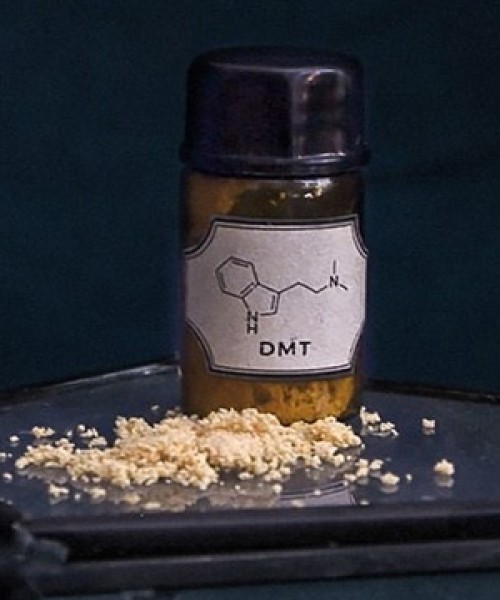
DMT, also known as N,N-Dimethyltryptamine, is a tryptamine-class compound discussed in forensic toxicology, analytical chemistry, medicinal chemistry, pharmacology, ethnobotanical science, and public health education. In the United States, DMT helps illustrate how scientists classify tryptamine compounds, evaluate pharmacological mechanisms, and understand laboratory toxicology science.
Educational awareness improves public scientific literacy around compound classification and toxicology monitoring systems.
DMT Scientific Background
DMT belongs to the broader tryptamine chemical family, a class often discussed in medicinal chemistry and neuropharmacology education.
Scientific education involving DMT commonly includes:
- forensic toxicology
- analytical chemistry
- medicinal chemistry
- pharmacology education
- ethnobotanical science
- compound classification
- public health surveillance
Understanding scientific classification improves chemistry literacy and awareness.
Tryptamines Explained
Tryptamines explained is a foundational medicinal chemistry and pharmacology topic.
Tryptamines are compounds built around an indole-based chemical framework commonly discussed in biochemical and pharmacological education.
Educational classification concepts include:
- endogenous tryptamine chemistry
- substituted tryptamines
- structural analogue comparison
- medicinal chemistry frameworks
- receptor pharmacology concepts
Understanding chemical families helps readers interpret scientific literature.
Readers interested in chemistry education can explore Cannabinoidseller’s analytical chemistry learning center.
Analytical Chemistry Education
Analytical chemistry remains central to awareness content involving DMT.
Scientific laboratories rely on validated workflows to identify compounds accurately.
Chromatography Explained
Chromatography helps separate compounds from complex mixtures for scientific analysis.
Educational workflows commonly include:
- gas chromatography (GC)
- liquid chromatography (LC)
- confirmatory analytical separation
- purification science concepts
Mass Spectrometry Explained
Mass spectrometry helps characterize compounds through fragmentation analysis and molecular signature identification.
Educational benefits include understanding:
- molecular fingerprinting
- unknown compound comparison
- confirmatory identification
- structural interpretation science
Analytical Reference Standards
Reference standards support:
- identity confirmation
- analytical reproducibility
- method validation
- scientific quality assurance
These tools remain foundational in forensic toxicology science.
Pharmacology Education
Pharmacology helps explain how compounds are scientifically evaluated.
Pharmacology Research Methods
Educational pharmacology commonly includes:
- receptor interaction studies
- comparative biological frameworks
- experimental pharmacology evaluation
- toxicodynamic interpretation
Receptor Pharmacology Concepts
Scientific education may discuss:
Receptor Affinity
How compounds interact with biological targets.
Receptor Selectivity
How compounds may show differing interaction profiles.
Pharmacodynamics
How biological response concepts are evaluated scientifically.
Pharmacokinetics
How absorption, distribution, metabolism, and elimination are studied.
These concepts improve science literacy.
Forensic Toxicology Education
Forensic toxicology helps explain how compounds are scientifically identified.
Toxicology Screening Workflows
Laboratories commonly rely on:
- preliminary toxicology screening
- chromatography analysis
- mass spectrometry
- analytical comparison
- confirmatory testing
Unknown Substance Identification
Scientific workflows often involve:
- molecular characterization
- reference comparison
- validated documentation
- structured reporting
These systems remain foundational in forensic science education.
Public Health Monitoring in the United States
US awareness education often explains why compounds are monitored.
Trend Surveillance
Scientific systems monitor evolving toxicology and analytical findings.
Public Safety Education
Educational awareness improves understanding of toxicology monitoring systems.
Scientific Literacy
Readers gain clearer understanding of forensic science and public health surveillance.
Relevant External Educational Resources
- National Institute on Drug Abuse (NIDA)
- American Chemical Society
- National Library of Medicine / PubMed
Frequently Asked Questions
What is DMT?
DMT is a tryptamine-class compound discussed in pharmacology and forensic toxicology education.
What are tryptamines?
Tryptamines are a chemical family discussed in medicinal chemistry and neuropharmacology science.
How do laboratories identify compounds like DMT?
Laboratories commonly use chromatography, mass spectrometry, analytical reference standards, and confirmatory workflows.
Why do public health systems monitor compounds?
Monitoring supports scientific awareness, toxicology education, and public health literacy.
Why is forensic toxicology important?
It explains how substances are scientifically identified and evaluated.
| Quantity | 1, 2 |
|---|
Be the first to review “DMT”
Related products
cannabinoids
cannabinoids
cannabinoids
cannabinoids

cannabinoids
cannabinoids
cannabinoids
cannabinoids

Reviews
There are no reviews yet.