
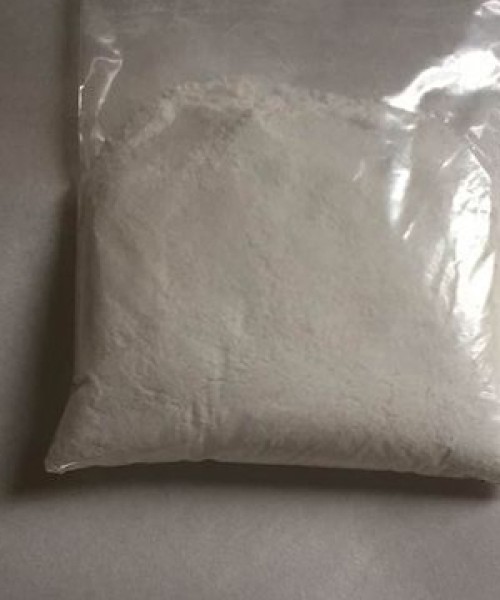
AP-238

$157.00 – $3,677.00Price range: $157.00 through $3,677.00
AP-238: Synthetic Opioid Pharmacology, Safety and Synthetic Cannabinoid Withdrawal
What Is AP-238?
AP-238 is a novel synthetic opioid from the cinnamylpiperazine/acylpiperazine group that emerged in international drug-monitoring systems around 2020. Researchers study the compound because of its opioid-receptor activity, appearance in intoxication cases, metabolism, and potential public-health risks.
AP-238 is particularly important educationally because people can incorrectly group all “synthetic” psychoactive substances together. Synthetic opioids and synthetic cannabinoids are entirely different pharmacological categories. AP-238 acts primarily through opioid pathways, whereas synthetic cannabinoids generally target cannabinoid receptors such as CB1.
This distinction becomes especially important for the supporting keyword withdrawal from synthetic cannabinoids. That withdrawal syndrome should not automatically be described as AP-238 withdrawal simply because both categories can contain laboratory-created substances.
For broader educational exploration of cannabinoids and emerging research compounds, readers can visit cannabinoidseller.com.
Understanding AP-238 Chemistry and Classification
Researchers classify AP-238 among cinnamylpiperazine synthetic opioids.
Other compounds discussed in this family include AP-237, 2-methyl-AP-237, and para-methyl-AP-237.
This group became increasingly visible as novel non-fentanyl synthetic opioids appeared in unregulated markets. A U.S.-focused forensic review categorized AP-238 and 2-methyl-AP-237 among cinnamylpiperazine novel synthetic opioids detected after scheduling changes involving fentanyl-related substances.
AP-238 is therefore chemically distinct from several other important opioid families, including:
- morphinan opioids such as morphine
- phenylpiperidines such as fentanyl
- benzimidazolone opioids such as brorphine
- 2-benzylbenzimidazole opioids such as nitazenes
The word opioid describes pharmacological activity more broadly than one particular chemical structure.
Is AP-238 a Synthetic Opioid?
Yes. Scientific literature describes AP-238 as a novel synthetic opioid.
Synthetic opioids are laboratory-created substances that act on opioid targets in the brain and body. The category includes both established medicines and unapproved emerging substances. The DEA notes that some synthetic opioids—including fentanyl, methadone, and buprenorphine—have legitimate medical applications, while clandestinely produced synthetic opioids can present serious overdose risks.
AP-238 belongs primarily to the latter emerging-drug research context.
Its classification as a synthetic opioid does not mean it has the clinical evidence or regulatory status of an approved opioid medication.
How Does AP-238 Work?
Laboratory research demonstrates that AP-238 can activate the μ-opioid receptor (MOR).
Mu-opioid receptors participate in several important biological functions, including:
- pain perception
- reward signaling
- sedation
- gastrointestinal activity
- respiratory regulation
- physical dependence
A 2022 laboratory and toxicology investigation compared AP-238 with several related cinnamylpiperazines. Among the compounds tested, AP-238 showed the greatest potency for MOR activation in the particular β-arrestin-2 assay used, although the researchers found the overall MOR activation characteristics of the studied cinnamylpiperazines were lower than fentanyl and several other novel synthetic opioids.
This is an important scientific nuance.
Calling AP-238 an opioid does not mean its potency should simply be assumed from fentanyl or another synthetic opioid.
AP-238 Is Not Fentanyl
AP-238 and fentanyl are both synthetic opioids, but their chemistry differs substantially.
Fentanyl contains a phenylpiperidine framework. AP-238 belongs to the cinnamylpiperazine family.
Both can influence mu-opioid receptors, but receptor potency, metabolism, pharmacokinetics, and toxicology can differ.
This demonstrates why synthetic opioid should be treated as a broad category rather than the name of one type of drug.
What Research Shows About AP-238 Toxicology
AP-238 has appeared in real forensic cases.
A 2022 study reported AP-238 concentrations of 87 and 120 ng/mL in two postmortem cases examined by researchers. The same study characterized its MOR activity alongside related cinnamylpiperazines.
The presence of AP-238 in postmortem toxicology does not by itself establish that the compound independently caused every death. Forensic interpretation must consider other detected substances, medical findings, circumstances, and toxicological evidence.
Nevertheless, these cases demonstrate that AP-238 moved beyond theoretical receptor research into real-world forensic toxicology.
AP-238 Metabolism
Researchers have also investigated what happens after AP-238 enters the body.
A 2024 human metabolism study identified 32 AP-238 metabolites across its experimental and biological investigations. Major metabolic processes included hydroxylation followed by transformations such as O-methylation or N-deacylation.
Metabolite research matters because forensic laboratories may detect only small amounts of the original substance.
Finding characteristic metabolites can provide stronger evidence that exposure occurred.
This is particularly important for emerging drugs because routine toxicology panels may not initially include every new synthetic opioid.
What Does ADME Mean for AP-238?
ADME stands for:
Absorption, Distribution, Metabolism and Excretion.
These processes determine how a chemical moves through the body.
A 2025 computational study investigated AP-238’s predicted ADME profile. Its models predicted high gastrointestinal absorption and blood-brain barrier permeability, while also identifying several metabolic pathways requiring additional toxicological investigation. Because this research relied heavily on computational modeling, its predictions should not be mistaken for comprehensive human clinical pharmacokinetic data.
This limitation illustrates why emerging research chemicals can contain significant uncertainties.
Unregulated Products May Not Contain What Their Labels Claim
One of the most useful real-world lessons involving AP-238 comes from forensic analysis of products purchased online.
Researchers examined two powder samples sold as bucinnazine/AP-237.
Laboratory testing found that one instead contained 2-fluorodeschloroketamine, while the other contained AP-238.
That finding demonstrates a major problem with unregulated substances:
A product name cannot reliably establish chemical identity.
Appearance, seller descriptions, labels, or informal names cannot replace analytical testing.
Synthetic Opioids Names: Understanding the Category
People searching synthetic opioids names may encounter both pharmaceutical medicines and emerging substances.
A simplified educational classification looks like this:
| Category | Examples |
|---|---|
| Synthetic opioids with established medical uses | Fentanyl, methadone |
| Partial opioid agonists used medically | Buprenorphine |
| Cinnamylpiperazine opioids | AP-238, AP-237, 2-methyl-AP-237 |
| Benzimidazolone novel opioids | Brorphine |
| Benzimidazole/nitazene opioids | Isotonitazene, metonitazene |
| Opioid antagonists | Naloxone, naltrexone |
These substances do not have equivalent potency, effects, or medical status.
The DEA similarly distinguishes medically approved synthetic opioids from clandestinely produced compounds encountered in illicit markets.
Synthetic Opioids List: Why Lists Change
A synthetic opioids list can quickly become outdated.
Forensic chemists continually identify new analogues and new combinations.
Recent U.S. surveillance illustrates this problem. In May 2026, the DEA warned that illicit fentanyl was increasingly appearing alongside emerging substances including nitazenes, cychlorphine, xylazine, and medetomidine.
AP-238 belongs to an earlier wave of emerging non-fentanyl opioids, but the larger pattern continues.
This is why public-health agencies monitor chemical families rather than relying exclusively on fixed lists of individual names.
Synthetic Opioid Does Not Mean One Chemical Family
The phrase synthetic opioid describes pharmacological function and synthetic origin more broadly.
Chemically diverse substances can activate opioid receptors.
For example:
Fentanyl belongs to one structural family.
Methadone has another structure.
Brorphine represents another emerging scaffold.
Nitazenes represent yet another family.
AP-238 belongs to the cinnamylpiperazine group.
Small structural differences can alter receptor activity and metabolism considerably.
Synthetic Opioids and Overdose Risk
The DEA identifies respiratory depression as a major danger associated with clandestinely produced synthetic opioids. Severe poisoning can involve coma, abnormal pupils, cold or clammy skin, cyanosis, respiratory failure, and death.
General warning signs of opioid overdose include:
- inability to wake
- very slow breathing
- irregular or absent breathing
- profound sedation
- limpness
- abnormal choking or gurgling sounds
- pale, gray, or bluish skin or lips
Suspected opioid overdose requires immediate emergency medical assistance.
Identifying the precise opioid should never delay emergency response.
Naloxone and Synthetic Opioid Overdose
Naloxone is an opioid antagonist used to reverse dangerous opioid receptor effects, particularly respiratory depression.
When opioid overdose is suspected, emergency services should be contacted immediately and an available approved naloxone product should be administered according to its directions.
A person who responds to naloxone still requires medical attention because opioid effects can return.
Naloxone also does not directly reverse intoxication from non-opioid substances that may be present simultaneously.
AP-238 vs. Synthetic Cannabinoids
AP-238 should not be classified as a synthetic cannabinoid.
| AP-238 | Synthetic cannabinoids |
|---|---|
| Synthetic opioid | Cannabinoid-receptor-active substances |
| Primarily associated with MOR activity | Commonly associated with CB1/CB2 activity |
| Opioid-type intoxication concern | Cannabinoid-type and sometimes atypical toxicity |
| Respiratory depression is a major opioid concern | Toxicity can include agitation, cardiovascular and neurological effects |
| Opioid antagonist relevant to opioid poisoning | Different pharmacological category |
The word synthetic is the main similarity in these descriptions.
Their biological targets differ substantially.
For further educational exploration of cannabinoid terminology, readers can visit cannabinoidseller.com.
Withdrawal From Synthetic Cannabinoids
The supporting phrase withdrawal from synthetic cannabinoids describes a separate topic from AP-238.
Synthetic cannabinoid products are sometimes marketed under changing names and can contain compounds with powerful activity at cannabinoid receptors.
Repeated heavy exposure to some synthetic cannabinoids can produce dependence and withdrawal.
Reported withdrawal experiences can include symptoms such as:
- irritability
- anxiety
- sleep disturbance
- restlessness
- sweating
- headaches
- nausea
- appetite changes
- cravings
More severe presentations have been reported with particular synthetic cannabinoids and patterns of heavy exposure.
Because product composition varies, withdrawal cannot be predicted reliably from a brand or street name.
Synthetic Cannabinoid Withdrawal Is Not Opioid Withdrawal
This distinction deserves emphasis.
Opioid withdrawal results from physiological adaptation involving opioid pathways.
Synthetic cannabinoid withdrawal involves cannabinoid receptor systems.
Some symptoms can overlap—such as anxiety, sleep problems, sweating, or gastrointestinal discomfort—but the underlying pharmacology differs.
Therefore, educational content should not present AP-238 as a cause of “synthetic cannabinoid withdrawal.”
Why Research Chemical Does Not Mean Safe
The phrase research chemical can sound clinical or pharmaceutical.
It does not establish safety.
Scientific research may investigate a substance because researchers need to understand:
- receptor activity
- metabolism
- toxicology
- overdose cases
- forensic detection
- public-health significance
AP-238 demonstrates this point particularly well.
Researchers have investigated its MOR activity, postmortem detections, metabolites, pharmacokinetic characteristics, and appearance in mislabeled products.
None of those findings establishes AP-238 as an approved medicine.
Why Accurate AP-238 Education Matters
AP-238 illustrates the constantly changing nature of the synthetic opioid market.
It emerged as part of a group of non-fentanyl novel opioids and subsequently appeared in forensic toxicology investigations. Researchers then had to characterize its receptor activity, metabolism, analytical markers, and potential health implications.
The compound also demonstrates why accurate classification matters.
AP-238 is a synthetic opioid, not a synthetic cannabinoid. Fentanyl, nitazenes, brorphine, and AP-238 are not chemically identical simply because they share opioid pharmacology. And products sold under a particular chemical name may not necessarily contain that substance.
For additional educational exploration of emerging compounds and cannabinoid terminology, visit cannabinoidseller.com.
Frequently Asked Questions
1. What is AP-238?
AP-238 is a novel synthetic opioid from the cinnamylpiperazine family. Research demonstrates mu-opioid receptor activity, and the compound has appeared in forensic toxicology cases.
2. Is AP-238 a synthetic cannabinoid?
No. AP-238 is a synthetic opioid. Synthetic cannabinoids primarily target cannabinoid receptors and represent a different pharmacological category.
3. Is AP-238 the same as fentanyl?
No. Both are synthetic opioids, but they have different chemical structures. Research also shows differences in their MOR pharmacology.
4. What are some synthetic opioid names?
Examples include fentanyl and methadone in established medicine, along with emerging or unapproved substances such as AP-238, brorphine, isotonitazene, and metonitazene. Medical status and potency vary considerably between compounds.
5. What is withdrawal from synthetic cannabinoids?
Withdrawal can occur after repeated heavy exposure to certain synthetic cannabinoid products. Symptoms can involve anxiety, irritability, sleep disturbance, sweating, gastrointestinal symptoms, and cravings. It is pharmacologically distinct from opioid withdrawal.
6. Why do toxicologists study AP-238 metabolites?
Metabolites can provide useful biomarkers of exposure, particularly when only small amounts of the original drug remain detectable. Researchers identified numerous AP-238 metabolites during human metabolism studies.
Educational Resources
For broader educational exploration of emerging compounds and cannabinoid terminology, visit cannabinoidseller.com.
Scientific and regulatory background is available through PubMed – AP-238 Human Metabolism Study, PubMed – AP-238 Toxicology and Pharmacology Study, and the U.S. DEA – Synthetic Opioids Fact Sheet.
Additional educational sections can be explored through cannabinoidseller.com and cannabinoidseller.com research resources.
| Quantity | 5grams, 10grams, 50grams, 100grams, 500grams, 1kg, 5kg, 10kg |
|---|
Be the first to review “AP-238” Cancel reply
Related products

Stimulants

New

Opioids
New

New

dissociative

Opioids

Reviews
There are no reviews yet.