

5C-APB: BENZOFURAN PHARMACOLOGY, OPIOID WITHDRAWAL, CANNABIS CLASSIFICATION AND MDMA EFFECTS EXPLAINED
What Is 5C-APB?
5C-APB is an obscure name encountered in the broader research-chemical and benzofuran discussion.
It requires careful treatment because abbreviations used for novel psychoactive substances are not always standardized, and the available compound-specific human literature for 5C-APB is extremely limited.
It should not automatically be treated as another name for the much better documented 5-APB (5-(2-aminopropyl)benzofuran).
5-APB belongs to the aminoalkylbenzofuran family and has substantially more published pharmacological information.
Researchers should therefore verify a complete chemical name, molecular structure and analytical identity before assuming that information about 5-APB applies directly to something labeled 5C-APB.
This article consequently separates established evidence about aminoalkylbenzofurans from broader educational information concerning opioid withdrawal, cannabis classification and MDMA.
For additional research-oriented information about psychoactive compounds, visit cannabinoidseller.com.
Why Chemical Identification Matters
Research-chemical abbreviations can be problematic.
A slight change in a name can indicate an entirely different molecule.
Chemical identification ideally uses information such as:
- complete systematic name
- molecular structure
- molecular formula
- CAS Registry Number
- mass-spectrometry data
- chromatographic data
- NMR characterization
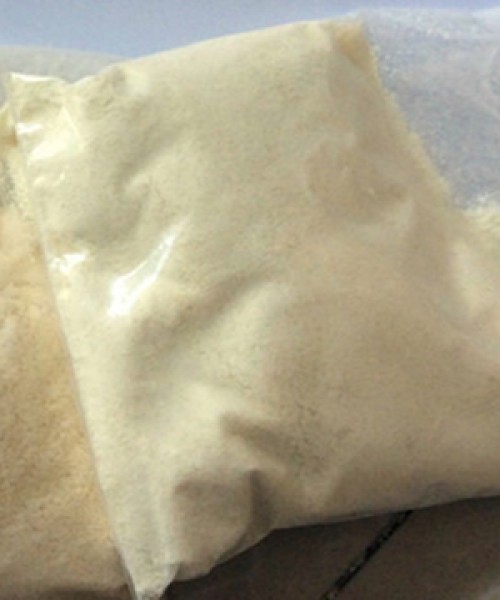
Appearance cannot establish identity.
A powder, tablet or crystal cannot reliably be identified as a particular benzofuran merely from its color or packaging.
Understanding the APB Family
The better-characterized APB compounds include:
- 5-APB
- 6-APB
These are aminoalkylbenzofurans that emerged within the novel psychoactive substance environment.
Their structures have similarities to serotonergic compounds such as MDMA, but structural resemblance does not make them identical.
Research on aminoalkylbenzofurans has demonstrated activity involving monoamine transporters and serotonin receptors.
The balance of activity can vary between individual compounds.
5-APB Is Not MDMA
5-APB and MDMA are different molecules.
MDMA stands for:
3,4-methylenedioxymethamphetamine
5-APB stands for:
5-(2-aminopropyl)benzofuran
Both can be discussed within serotonergic psychoactive pharmacology, but they should not be treated as interchangeable.
The same caution applies even more strongly to an obscure designation such as 5C-APB.
Monoamine Pharmacology
Three neurotransmitter systems frequently appear in discussions of MDMA and benzofuran-type compounds:
Serotonin
Influences mood, sleep, appetite and numerous other physiological processes.
Dopamine
Contributes to motivation, movement, reinforcement and reward learning.
Norepinephrine
Contributes to arousal and sympathetic nervous-system activity.
A psychoactive compound’s overall effects depend partly on how strongly and through what mechanism it alters these systems.
5C-APB Is Not an Opioid
5C-APB should not be confused with:
- morphine
- fentanyl
- heroin
- methadone
- oxycodone
These substances belong to the opioid pharmacology field.
Morphine and fentanyl exert their major effects through μ-opioid receptors.
Opioid withdrawal therefore involves a fundamentally different neurobiological process from the pharmacology normally discussed for aminoalkylbenzofurans.
Morphine Withdrawal Side Effects
The phrase morphine withdrawal side effects generally refers to symptoms developing after a physically dependent person substantially reduces or stops opioid exposure.
Early opioid-withdrawal symptoms can include:
- anxiety
- restlessness
- yawning
- sweating
- watery eyes
- runny nose
- insomnia
- muscle aches
As withdrawal progresses, symptoms can include:
- abdominal cramping
- nausea
- vomiting
- diarrhea
- goosebumps
- dilated pupils
- increased heart rate
- increased blood pressure
Symptoms can be extremely uncomfortable.
Opioid Withdrawal Versus Opioid Overdose
Withdrawal and overdose are fundamentally different conditions.
Opioid withdrawal
Often involves:
- agitation
- sweating
- diarrhea
- vomiting
- muscle aches
- insomnia
- dilated pupils
Opioid overdose
Can involve:
- inability to wake
- slow breathing
- shallow breathing
- stopped breathing
- constricted pupils
- blue or discolored skin
- gurgling or choking sounds
Suspected opioid overdose is an emergency.
Naloxone should be administered according to approved instructions when available while emergency medical services are contacted.
Med for Opiate Withdrawal
The search phrase med for opiate withdrawal usually concerns medications used in medically supervised opioid withdrawal or opioid use disorder treatment.
Important medications include:
Buprenorphine
Buprenorphine is a partial μ-opioid receptor agonist used to treat opioid use disorder.
It can reduce withdrawal symptoms and cravings.
Methadone
Methadone is a long-acting opioid agonist used in structured treatment of opioid use disorder.
Naltrexone
Naltrexone is an opioid antagonist used for relapse prevention after an appropriate opioid-free period.
It does not treat active withdrawal in the same manner as buprenorphine or methadone.
Other medications can sometimes be used to manage individual withdrawal symptoms under medical supervision.
Detox From Fentanyl
Detox from fentanyl should not be reduced to simply waiting until fentanyl leaves the body.
Physical withdrawal management is only one component of treating opioid use disorder.
Fentanyl can complicate treatment initiation because its pharmacokinetic behavior and repeated exposure can make the timing of withdrawal difficult to predict.
Medical assessment is therefore particularly useful.
Evidence-based opioid use disorder treatment can include:
- buprenorphine
- methadone
- naltrexone when clinically appropriate
- behavioral treatment
- psychosocial support
- overdose-prevention planning
Short-term detoxification alone has a high rate of return to opioid use.
Why Fentanyl Withdrawal Treatment Needs Medical Guidance
Starting buprenorphine at an inappropriate point after recent opioid exposure can sometimes precipitate withdrawal.
The risk and timing can be particularly complicated in people exposed repeatedly to fentanyl.
For this reason, treatment initiation should be individualized by healthcare professionals rather than based on a universal internet timetable.
A person’s treatment plan may depend on:
- current withdrawal symptoms
- opioid exposure history
- other medications
- other substance use
- medical conditions
- previous treatment experience
Morphine Withdrawal Is Different From Benzofuran Effects
Morphine is a μ-opioid receptor agonist.
Aminoalkylbenzofurans are discussed primarily in serotonergic and monoaminergic pharmacology.
Therefore, morphine-withdrawal symptoms should not be presented as expected withdrawal symptoms from 5C-APB.
This distinction matters when building scientifically accurate research-chemical information.
Cannabis Classification
The phrase cannabis classification can refer to botanical, pharmacological or legal classification.
Botanical classification
Cannabis belongs to the genus Cannabis.
Pharmacological classification
Cannabis contains numerous biologically active compounds, particularly cannabinoids.
THC is principally responsible for characteristic cannabis intoxication.
Legal classification
Legal classification depends heavily on jurisdiction and the specific cannabis material or product.
In the United States, federal cannabis scheduling has undergone significant regulatory change.
Classification of Marijuana in the United States
As of 2026, classification of marijuana under U.S. federal law requires more nuance than the traditional one-line answer.
Historically, marijuana was broadly classified as Schedule I under the federal Controlled Substances Act.
In 2026, federal regulatory action moved certain categories into Schedule III:
- FDA-approved drug products containing marijuana
- marijuana subject to qualifying state medical-marijuana licensing
However, marijuana outside those specified categories remains subject to Schedule I controls while the broader marijuana-rescheduling process continues.
State cannabis laws can differ substantially from federal law.
DEA on Weed
For searches such as DEA on weed, the important point is that federal marijuana policy is actively evolving.
DEA has been conducting formal proceedings concerning the broader proposal to transfer marijuana from Schedule I to Schedule III.
That process should not be confused with the narrower 2026 Schedule III treatment already established for certain medical marijuana categories.
Consequently, an article simply stating either:
“weed is Schedule I”
or:
“weed is Schedule III”
without explaining the applicable category can now be misleading.
Is THC a Controlled Substance?
The answer to is THC a controlled substance depends on the THC source, formulation and applicable law.
THC associated with federally defined marijuana can be controlled under the Controlled Substances Act.
However, federal law contains important distinctions involving:
- marijuana
- hemp
- FDA-approved cannabinoid medications
- synthetic tetrahydrocannabinols
- qualifying medical marijuana products
Therefore, “THC” should not be assigned one universal legal answer without specifying the substance and jurisdiction.
Hemp Versus Marijuana
Federal law distinguishes hemp from marijuana partly according to delta-9 THC concentration and statutory definitions.
This distinction affects legal treatment.
However, “hemp-derived” should not automatically be interpreted as:
- medically approved
- harmless
- non-intoxicating
- unrestricted everywhere
Federal and state rules can differ.
Cannabis vs Weed
For most everyday conversations, cannabis vs weed is largely a terminology question.
“Weed” is informal slang.
“Cannabis” is the scientific and increasingly preferred general term.
A researcher or healthcare professional will normally use “cannabis.”
Cannabis vs Marijuana vs Weed
The phrase cannabis vs marijuanas vs weed usually refers to different names for overlapping concepts.
Cannabis is the scientific botanical term.
Marijuana is a historical, legal and regulatory term generally referring to cannabis material containing THC outside statutory hemp definitions.
Weed is informal slang.
The words may overlap conversationally, but legal documents can define marijuana very specifically.
Cannabis vs Marijuana
In everyday speech, cannabis vs marijuana may refer to essentially the same plant material.
Scientifically, cannabis is the broader botanical term.
Legally, marijuana can have a specific statutory definition.
This distinction becomes important when discussing U.S. federal controlled-substance law.
Components of Pot
The phrase components of pot refers to the chemically complex composition of cannabis.
Cannabis contains numerous categories of compounds, including:
- cannabinoids
- terpenes
- flavonoids
- fatty acids
- phenolic compounds
- pigments
- other plant metabolites
Well-known cannabinoids include:
- delta-9-THC
- CBD
- CBG
- CBC
- CBN
THC and CBD are not interchangeable.
THC
Delta-9-tetrahydrocannabinol is the major cannabinoid responsible for characteristic cannabis intoxication.
THC acts primarily as a partial agonist at cannabinoid receptors, particularly CB1 receptors in the CNS.
Potential acute effects can involve:
- altered perception
- impaired short-term memory
- impaired coordination
- increased heart rate
- anxiety in some individuals
Effects depend heavily on exposure and individual susceptibility.
CBD
Cannabidiol is another prominent phytocannabinoid.
CBD does not produce the characteristic intoxication associated with THC.
Its pharmacology is complex and cannot be summarized as simply “the opposite of THC.”
A purified CBD medication has FDA-approved applications for certain seizure disorders.
5C-APB Is Not Cannabis
Neither 5C-APB nor the better-characterized 5-APB belongs to the phytocannabinoid family.
Cannabinoids interact substantially with the endocannabinoid system.
Aminoalkylbenzofurans are discussed instead in relation to monoamine transporters and serotonergic pharmacology.
They should therefore remain separate categories.
What Is Ecstasy?
“Ecstasy” commonly refers to products represented as containing MDMA.
MDMA is:
3,4-methylenedioxymethamphetamine
“Molly” is another informal term generally intended to refer to MDMA.
However, illicit tablets or powders sold under either name may contain other substances.
A label, logo or appearance cannot confirm chemical identity.
Ecstasy Symptoms
Possible ecstasy symptoms associated with MDMA can include:
- increased energy
- increased alertness
- emotional changes
- increased heart rate
- increased blood pressure
- sweating
- jaw clenching
- nausea
- reduced appetite
Serious toxicity can produce much more dangerous symptoms.
Effects of Molly on the Brain
The effects of molly on the brain are strongly connected with monoamine neurotransmitters.
MDMA increases activity involving:
- serotonin
- dopamine
- norepinephrine
Serotonin is particularly important to MDMA’s characteristic pharmacological profile.
It participates in:
- mood
- sleep
- appetite
- pain processing
- emotional regulation
MDMA causes substantially increased extracellular serotonin signaling.
Serotonin and MDMA
MDMA acts as a monoamine-transporter substrate.
It can reverse normal transporter activity and promote neurotransmitter release.
Its serotonergic action is particularly pronounced.
This distinguishes MDMA from stimulants such as cocaine, even though both drugs affect monoamine systems.
MDMA and Dopamine
MDMA also increases dopamine signaling.
Dopamine contributes to:
- reward
- reinforcement
- movement
- motivation
However, MDMA generally has a stronger serotonergic component than classic psychostimulants such as methamphetamine.
MDMA and Norepinephrine
Norepinephrine contributes to MDMA’s sympathetic effects.
These can include:
- increased heart rate
- elevated blood pressure
- increased arousal
The combination of central and peripheral effects becomes particularly important during toxicity.
Can You Overdose on Molly?
Yes. MDMA can cause a life-threatening overdose or severe toxicity.
Serious complications can include:
- dangerous hyperthermia
- severe agitation
- seizures
- abnormal heart rhythms
- severe electrolyte abnormalities
- serotonin toxicity
- loss of consciousness
- organ injury
Severe symptoms require immediate emergency medical care.
MDMA and Hyperthermia
Dangerous increases in body temperature are among the most serious complications associated with MDMA toxicity.
Risk can become greater in circumstances involving:
- hot environments
- prolonged physical activity
- crowded settings
- other stimulant drugs
Extreme hyperthermia can contribute to organ failure and death.
Water Intoxication and MDMA
A less intuitive danger involves excessive water consumption.
MDMA can contribute to abnormal regulation of water balance.
Drinking excessive quantities of water can worsen hyponatremia, meaning dangerously low blood sodium.
Severe hyponatremia can cause:
- confusion
- seizures
- brain swelling
- coma
This is another reason simplistic advice about merely “drinking lots of water” during MDMA exposure can be dangerous.
Serotonin Toxicity
MDMA’s strong serotonergic pharmacology means serotonin toxicity can become a concern, particularly in complicated exposures.
Possible severe manifestations include:
- agitation
- abnormal neuromuscular activity
- autonomic instability
- hyperthermia
Suspected serotonin toxicity requires medical evaluation.
MDMA Versus 5-APB
| Feature | MDMA | 5-APB |
|---|---|---|
| Chemical family | Substituted amphetamine | Aminoalkylbenzofuran |
| Serotonergic activity | Strong | Strong evidence |
| Monoamine transporters involved | Yes | Yes |
| Same molecule | No | No |
| Extensive human evidence | Greater | Much more limited |
| Approved routine medicine | No | No |
5C-APB should not automatically be given the exact profile of either compound without reliable compound-specific evidence.
MDMA Is Federally Controlled
Under current U.S. federal scheduling, MDMA remains a Schedule I controlled substance.
This legal classification is separate from ongoing scientific research into potential therapeutic applications of MDMA-assisted interventions.
Research activity does not itself change a substance’s federal schedule.
Opioid Withdrawal Versus MDMA Toxicity
These conditions require very different clinical thinking.
| Feature | Opioid withdrawal | Severe MDMA toxicity |
|---|---|---|
| Muscle aches | Common | Not defining |
| Diarrhea | Common | Possible but not defining |
| Sweating | Common | Common |
| Hyperthermia | Not typical defining feature | Major concern |
| Severe serotonergic effects | No | Possible |
| Treatment approach | OUD/withdrawal management | Emergency supportive care |
| Buprenorphine/methadone role | Yes, when clinically appropriate | No |
This illustrates why correctly identifying a drug class matters.
Research Chemical Does Not Mean Safe
Calling something a “research chemical” does not establish:
- purity
- safety
- pharmaceutical quality
- therapeutic effectiveness
- legal status
- standardized concentration
The problem becomes particularly important with obscure compounds such as 5C-APB, where human evidence may be extremely limited.
Frequently Asked Questions
1. What is 5C-APB?
5C-APB is an obscure research-chemical designation associated with the broader benzofuran discussion. Compound-specific human evidence is extremely limited, and it should not automatically be treated as identical to the much better documented 5-APB.
2. What are common morphine withdrawal side effects?
Opioid withdrawal can cause anxiety, sweating, yawning, runny nose, insomnia, muscle aches, abdominal cramps, nausea, vomiting and diarrhea. Treatment is available, and medically supervised care can make withdrawal safer and more manageable.
3. What medications are used for opioid withdrawal or opioid use disorder?
Buprenorphine and methadone are important medications used in opioid use disorder treatment and can suppress withdrawal and cravings. Naltrexone has a different role and requires an appropriate opioid-free period before initiation.
4. What is the federal classification of marijuana in 2026?
Federal classification now depends on the marijuana category. Certain FDA-approved marijuana-containing products and qualifying state-licensed medical marijuana are Schedule III, while other marijuana remains Schedule I as the broader federal rescheduling process continues. State law can differ.
5. Can you overdose on molly?
Yes. MDMA toxicity can become life-threatening. Dangerous hyperthermia, seizures, severe confusion, abnormal heart rhythms, hyponatremia or loss of consciousness require emergency medical attention.
6. How does molly affect the brain?
MDMA substantially alters serotonin signaling while also affecting dopamine and norepinephrine. These neurotransmitter changes contribute to its psychological, stimulant and physiological effects.
Educational Resources
For further educational information about novel psychoactive substances, visit cannabinoidseller.com.
SAMHSA — Opioid Use Disorder Treatment
SAMHSA provides evidence-based information about buprenorphine, methadone, naltrexone and medically supervised opioid treatment.
Explore SAMHSA opioid treatment information
DEA — Marijuana Rescheduling
DEA maintains the current federal regulatory record concerning marijuana scheduling and the ongoing broader rescheduling proceedings.
Explore DEA marijuana rescheduling information
NIDA — MDMA Pharmacology
NIDA educational material explains MDMA’s effects on serotonin, dopamine and norepinephrine and discusses neurological and health risks.
Explore NIDA information about MDMA
For additional research-oriented educational content, visit cannabinoidseller.com and its educational research resources.
| Quantity | 10grams, 50grams, 100grams, 500grams, 1kg, 5kg, 10kg |
|---|
Be the first to review “5C-APB”
Related products
sedative
New
New
New
New


Reviews
There are no reviews yet.