
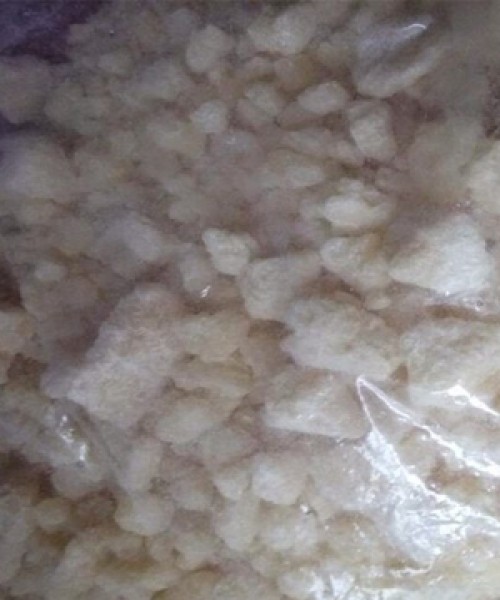
4-EEC: SYNTHETIC CATHINONE PHARMACOLOGY, LABORATORY CHEMICALS, METH CLASSIFICATION AND CANNABIS CHEMISTRY EXPLAINED
What Is 4-EEC?
4-EEC is an abbreviation encountered in the synthetic-cathinone and novel psychoactive substance literature. It is commonly associated with 4-ethyl-N-ethylcathinone, a substituted cathinone compound.
Synthetic cathinones are structurally related to cathinone, the naturally occurring stimulant constituent of the khat plant.
This places 4-EEC within a broad chemical family that includes compounds such as:
- mephedrone
- methylone
- 3-MMC
- 4-MMC
- pentedrone
- N-ethylpentedrone
- numerous other substituted cathinones
Synthetic cathinones frequently interact with monoamine neurotransmitter systems.
However, individual compounds can differ considerably in their pharmacology.
4-EEC should therefore not automatically be assigned the potency, duration or toxicity profile of another cathinone simply because their chemical structures are related.
For further educational information about emerging psychoactive compounds, visit cannabinoidseller.com.
Quick Scientific Overview
| Feature | 4-EEC |
|---|---|
| Common interpretation | 4-Ethyl-N-ethylcathinone |
| Chemical family | Synthetic cathinone |
| Broad category | Novel psychoactive substance |
| Structural relationship | Cathinone derivative |
| Cannabis cannabinoid | No |
| Methamphetamine | No |
| Laboratory reagent context | Possible analytical/research context |
| Approved therapeutic medicine | No established approved use |
| Human clinical evidence | Limited |
| Visual identification reliable | No |
4-EEC and Synthetic Cathinone Chemistry
Cathinones contain a chemical framework closely related to phenethylamine and amphetamine chemistry but with a characteristic beta-keto group.
For this reason, synthetic cathinones are sometimes described as beta-keto analogues of corresponding amphetamine-type structures.
Small structural modifications can significantly alter biological activity.
Changes involving:
- aromatic-ring substitutions
- carbon-chain length
- nitrogen substitutions
- cyclic amines
can influence interactions with monoamine transporters.
This is why a chemical name provides substantially more scientific information than a street name or product label.
Monoamine Transporters
Many synthetic cathinones affect one or more of three major monoamine transporters:
DAT — dopamine transporter
NET — norepinephrine transporter
SERT — serotonin transporter
These proteins help regulate extracellular neurotransmitter concentrations.
Some cathinones inhibit transporter-mediated reuptake.
Others behave as transporter substrates and promote neurotransmitter release.
Still others show mixed activity.
Limited compound-specific human evidence means researchers should avoid assuming an exact transporter profile for an obscure cathinone without experimental data.
What Is a Chemical Molecule?
A chemical molecule consists of atoms connected by chemical bonds.
For example, a molecule can contain combinations of:
- carbon
- hydrogen
- oxygen
- nitrogen
- sulfur
- halogens
The arrangement of those atoms matters enormously.
Two molecules can even share the same molecular formula while having different structures and biological effects.
Such molecules are called isomers.
This principle is particularly relevant to research chemicals because similarly named compounds may not be pharmacologically interchangeable.
Chemical Structure Versus Chemical Name
Chemists use several systems to identify substances.
These include:
- systematic chemical names
- molecular formulas
- structural formulas
- CAS Registry Numbers
- InChI identifiers
- SMILES strings
A common abbreviation such as “4-EEC” can be useful, but a complete chemical identity provides greater precision.
This is particularly important when studying obscure compounds whose abbreviations may be inconsistently used.
What Is a Chemical Search?
A professional chemical search attempts to identify reliable information about a chemical rather than simply searching for a commercial listing.
Researchers may search by:
- systematic name
- CAS number
- molecular formula
- molecular structure
- InChI
- SMILES
Reliable scientific searches may also examine toxicology, pharmacology and analytical literature.
Useful databases include resources maintained by organizations such as PubChem and PubMed.
Scientific Chemicals
The phrase scientific chemicals covers an enormous range of substances used in:
- analytical chemistry
- biology
- pharmaceutical research
- materials science
- environmental science
- toxicology
- medical research
Most scientific chemicals are not psychoactive drugs.
Examples can range from simple buffer components and salts to highly specialized analytical standards.
The phrase therefore describes a use context rather than a single pharmacological category.
Science Chemicals and Research
Science chemicals can serve numerous legitimate functions.
Researchers may need chemicals for:
- calibration
- chromatography
- spectroscopy
- assay development
- reference standards
- quality control
- biochemical experiments
Research institutions normally use formal procurement and safety systems to determine whether a substance is suitable for laboratory work.
Laboratory Chemicals
Laboratory chemicals include substances used during scientific analysis, experimentation and quality control.
Examples include:
- solvents
- buffers
- reagents
- analytical standards
- acids and bases
- indicators
- salts
- reference materials
Some laboratory chemicals are relatively low risk.
Others can be:
- corrosive
- flammable
- toxic
- reactive
- carcinogenic
- environmentally hazardous
- legally controlled
The term “laboratory chemical” therefore does not mean harmless.
What Is a Lab Chemical?
A lab chemical is simply a chemical intended for legitimate laboratory applications.
Its safe handling depends on its physical and toxicological properties.
Professional laboratories typically rely on:
- Safety Data Sheets
- hazard classifications
- appropriate storage
- personal protective equipment
- documented waste-disposal procedures
- institutional safety protocols
The chemical’s intended analytical use does not override applicable laws or safety requirements.
Chemistry Chemicals and Purity Grades
Chemistry chemicals can be sold in different purity grades.
Depending on the application, laboratories may encounter designations such as:
- reagent grade
- analytical grade
- HPLC grade
- spectroscopy grade
- certified reference material
A purity designation relates to specifications for a particular scientific application.
It does not automatically establish suitability for human exposure.
A chemical labeled “99% pure” is not thereby established as a safe medicine.
Chemical Supplier: What Legitimate Laboratories Look For
A professional chemical supplier should be evaluated primarily through documentation, quality systems and regulatory compliance.
Important considerations include:
- verifiable chemical identity
- Safety Data Sheet availability
- lot or batch identification
- Certificate of Analysis
- purity specifications
- appropriate labeling
- storage requirements
- regulatory compliance
- traceable business information
These principles apply to legitimate scientific procurement rather than sourcing substances for personal consumption.
Laboratory Chemical Suppliers
Professional laboratory chemical suppliers commonly support universities, hospitals, industrial laboratories and research institutions.
Institutional purchasing systems may require:
- authorized accounts
- institutional approval
- documented intended use
- regulatory checks
- controlled-substance licensing where applicable
This differs substantially from anonymous consumer sales of substances marketed as “research chemicals.”
Chemical Vendors and Scientific Verification
The phrase chemical vendors should not be interpreted as evidence that every website selling a compound is a legitimate scientific supplier.
Researchers should distinguish established laboratory procurement from unverified online markets.
Professional scientific purchasing emphasizes:
identity + documentation + traceability + compliance
rather than promotional claims.
A website describing something as “laboratory grade” does not by itself prove its identity or purity.
Buying Chemicals for Legitimate Research
Searches for buy chemicals or buy chemical compounds can cover everything from ordinary laboratory reagents to regulated substances.
Legitimate institutional procurement should follow:
- institutional authorization,
- applicable chemical regulations,
- documented research requirements,
- laboratory safety procedures,
- appropriate shipping and storage requirements.
Controlled or psychoactive research chemicals may be subject to additional legal restrictions.
This article does not provide vendors or purchasing routes for psychoactive substances.
Ordering Chemicals Online
Similarly, order chemicals online can describe routine scientific procurement when an authorized laboratory purchases ordinary reagents from established scientific suppliers.
Before procurement, professional laboratories should verify:
- chemical identity
- legal status
- hazards
- required licenses
- storage compatibility
- shipping restrictions
- disposal requirements
An online checkout page does not establish that a substance can legally or safely be purchased for every purpose.
Why a Certificate of Analysis Matters
A Certificate of Analysis (CoA) reports analytical information about a particular batch.
Depending on the product, it may include:
- identity
- assay
- purity
- impurities
- analytical method
- lot number
A CoA is useful only when it is authentic and traceable to the actual material.
Unverified documents can be misleading.
Safety Data Sheet Versus Certificate of Analysis
An SDS and a CoA serve different purposes.
Safety Data Sheet
Focuses primarily on hazards, handling, storage, emergency procedures and disposal.
Certificate of Analysis
Focuses on the analytical characteristics of a particular material or batch.
Professional laboratories may need both.
Neither document converts an experimental psychoactive compound into an approved medicine.
4-EEC Is Not Methamphetamine
4-EEC and methamphetamine are chemically and pharmacologically distinct.
Methamphetamine belongs to the substituted amphetamine family.
4-EEC belongs to the synthetic cathinone family.
Although both fall within the broader stimulant discussion, they should not be treated as identical substances.
Meth Classification
The phrase meth classification can refer to both pharmacological and legal classification.
Pharmacologically, methamphetamine is a powerful central nervous system stimulant and sympathomimetic amine.
Chemically, it is a substituted phenethylamine and amphetamine derivative.
In the United States, methamphetamine has accepted medical use in a tightly controlled context and is federally classified as a Schedule II controlled substance.
Illicitly manufactured methamphetamine should be distinguished from regulated pharmaceutical formulations.
Methamphetamine Versus Synthetic Cathinones
| Feature | Methamphetamine | 4-EEC |
|---|---|---|
| Broad family | Amphetamine | Synthetic cathinone |
| CNS stimulant | Yes | Cathinone stimulant context |
| Beta-keto cathinone | No | Yes |
| Established clinical pharmacology | Extensive | Limited |
| Approved U.S. medical formulation | Exists | No established approved use |
| Same chemical | No | No |
Structural similarities among stimulant families do not make them interchangeable.
4-EEC Is Not Cannabis
The cannabis-related keywords in this article involve a third pharmacological area.
Cannabis contains phytocannabinoids, including:
- THC
- CBD
- CBG
- CBC
- CBN
These compounds interact with biological systems very differently from synthetic cathinone stimulants.
4-EEC is not a cannabis constituent.
How Many Chemicals Are in Weed?
The question how many chemicals in weed does not have one permanent numerical answer.
Cannabis is chemically complex.
Older scientific reviews commonly described more than 500 identified constituents, including more than 100 cannabinoids.
As analytical technology has improved, researchers have catalogued far more constituents and metabolites.
Modern chemical profiling can identify thousands of molecular features across cannabis samples.
Therefore, statements that cannabis contains “exactly 400” or “exactly 500” chemicals should be treated cautiously.
What Chemicals Are Found in Cannabis?
Cannabis contains multiple classes of compounds.
These include:
- cannabinoids
- terpenes
- flavonoids
- fatty acids
- phenolic compounds
- pigments
- amino acids
- carbohydrates
- other plant metabolites
Not every detected compound meaningfully contributes to psychoactive effects.
THC remains the primary intoxicating cannabinoid associated with cannabis.
Cannabinoids
Cannabinoids are compounds that interact directly or indirectly with cannabinoid-related biological systems.
Three broad categories are often discussed.
Phytocannabinoids
Produced by cannabis plants.
Examples include THC and CBD.
Endocannabinoids
Produced naturally within the human body.
Examples include anandamide and 2-AG.
Synthetic cannabinoids
Laboratory-created molecules capable of interacting with cannabinoid receptors.
Synthetic cathinones such as 4-EEC do not belong to these cannabinoid categories.
Effects of Cannabis Short Term
Potential effects of cannabis short term can include changes in:
- attention
- memory
- coordination
- reaction time
- perception
- mood
THC can also increase heart rate.
Some individuals experience:
- anxiety
- panic
- paranoia
Effects depend strongly on THC concentration, CBD content, route of administration, individual sensitivity and other factors.
THC and Cognitive Function
THC activates cannabinoid receptors, particularly CB1 receptors in the central nervous system.
CB1 receptors occur in brain regions involved in:
- memory
- coordination
- reward
- cognition
This helps explain why acute THC exposure can temporarily impair memory, coordination and reaction time.
Long-Term Effects of Cannabis May Include
Potential long term effects of cannabis may include different outcomes depending on frequency, age of initiation, THC exposure and individual vulnerability.
Research has associated frequent or heavy cannabis use with concerns involving:
- cannabis use disorder
- cognitive performance
- respiratory effects when cannabis is smoked
- mental-health outcomes in susceptible individuals
Associations do not necessarily prove that cannabis alone caused every observed outcome.
Risk varies substantially among users.
Cannabis Use Disorder
Repeated cannabis exposure can lead to cannabis use disorder in some individuals.
Possible features include:
- craving
- difficulty reducing use
- continuing despite negative consequences
- tolerance
- withdrawal symptoms
Cannabis therefore should not be described as incapable of producing dependence.
Long-Term Use of Cannabinoids
The phrase long term use of cannabinoids needs clarification because “cannabinoid” includes many different substances.
Long-term exposure to THC-rich cannabis is not equivalent to long-term use of:
- purified CBD
- prescription cannabinoid medicines
- synthetic cannabinoid receptor agonists
These substances have different pharmacological and toxicological profiles.
Consequently, research about one cannabinoid should not automatically be generalized to all cannabinoids.
THC Is Not the Same as CBD
THC and CBD are both phytocannabinoids, but their pharmacology differs.
| Characteristic | THC | CBD |
|---|---|---|
| Cannabis cannabinoid | Yes | Yes |
| Characteristic cannabis intoxication | Yes | No |
| CB1 receptor activity | Significant partial agonism | Much lower direct affinity/complex modulation |
| Psychoactive | Yes | Pharmacologically active but not characteristically intoxicating |
| Approved pharmaceutical applications exist | Yes, cannabinoid-related medicines | Yes, purified CBD for certain seizure disorders |
CBD being non-intoxicating does not mean it is biologically inactive.
Natural Does Not Automatically Mean Safe
A substance being naturally produced does not establish safety.
Likewise, a substance being synthetic does not automatically make it toxic.
Risk depends on:
- pharmacology
- exposure
- concentration
- contaminants
- individual vulnerability
- interactions
Scientific assessment should therefore focus on evidence rather than the simple natural-versus-synthetic distinction.
Laboratory Chemicals Are Not Medicines
A crucial distinction in research-chemical education is:
laboratory chemical ≠ medicine
A chemical can be:
- analytically pure
- accurately characterized
- professionally packaged
while still lacking evidence for safe human use.
Pharmaceutical approval requires much more than chemical purity.
It involves extensive evaluation of:
- pharmacology
- toxicology
- manufacturing
- effectiveness
- clinical safety
- dosing
- interactions
Research Chemical Does Not Establish Safety
The phrase research chemical is descriptive rather than a guarantee of quality or medical legitimacy.
It does not automatically establish:
- purity
- safety
- effectiveness
- legal status
- pharmaceutical approval
This distinction is especially important for novel psychoactive substances.
Chemical Identification
Unknown chemicals should not be identified using:
- color
- taste
- smell
- powder texture
- packaging
Professional chemical identification can use techniques such as:
- gas chromatography
- liquid chromatography
- mass spectrometry
- infrared spectroscopy
- nuclear magnetic resonance spectroscopy
These methods provide substantially stronger evidence than appearance.
Frequently Asked Questions
1. What is 4-EEC?
4-EEC is a name associated with 4-ethyl-N-ethylcathinone, a synthetic cathinone encountered within novel psychoactive substance research. Compound-specific human evidence remains limited compared with established stimulant medicines.
2. Is 4-EEC methamphetamine?
No. Methamphetamine is an amphetamine-type CNS stimulant. 4-EEC belongs to the synthetic cathinone family. They are chemically distinct substances.
3. What should researchers check when obtaining laboratory chemicals?
Legitimate laboratories typically verify chemical identity, regulatory requirements, supplier traceability, Safety Data Sheets, Certificates of Analysis, purity specifications, storage requirements and institutional authorization. Controlled psychoactive compounds can require additional licensing and restrictions.
4. How many chemicals are in weed?
There is no fixed number. Older literature identified more than 500 constituents, while modern analytical methods can reveal thousands of molecular constituents or features. Cannabis chemistry extends far beyond THC and CBD.
5. What are the short-term effects of cannabis?
THC-containing cannabis can temporarily affect memory, attention, coordination, reaction time and perception. Some individuals experience anxiety, panic or paranoia.
6. What can long-term cannabinoid use do?
The answer depends on the cannabinoid. Frequent long-term THC-rich cannabis use can be associated with cannabis use disorder and other health concerns, while CBD, prescription cannabinoids and potent synthetic cannabinoid receptor agonists have different risk profiles.
Educational Resources
For further educational information about research chemicals and analytical science, visit cannabinoidseller.com.
PubMed — Synthetic Cathinone Research
PubMed provides peer-reviewed scientific literature covering synthetic cathinone pharmacology, analytical identification and toxicology.
Explore synthetic cathinone research on PubMed
PubChem — Chemical Information
PubChem provides searchable chemical structures, identifiers, molecular properties and linked scientific information.
Explore the PubChem chemical database
CDC — Cannabis and Public Health
CDC provides evidence-based information about cannabis, short-term effects, cannabis use disorder and potential health consequences.
Explore CDC cannabis information
For additional research-oriented educational content, visit cannabinoidseller.com and its scientific educational resources.
| Quantity | 10grams, 50grams, 100grams, 500grams, 1kg, 5kg, 10kg |
|---|
Be the first to review “4-EEC”
Related products
sedative
New
New
New
New
New
New

Reviews
There are no reviews yet.