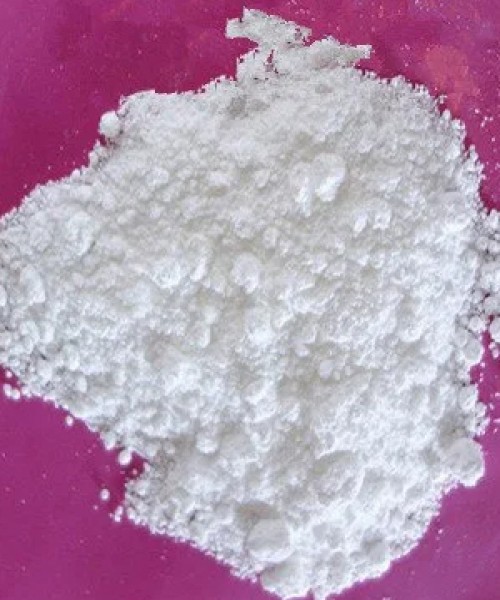
PIPERIDINOHTON (PIPERIDYLTHIAMBUTENE)
$148.00 – $569.00Price range: $148.00 through $569.00
Piperidinohton (Piperidylthiambutene): Opioid Pharmacology, Treatment, Reversal and Addiction Education
What Is Piperidinohton (Piperidylthiambutene)?
Piperidinohton (Piperidylthiambutene) is an opioid-related compound associated with the thiambutene family of synthetic opioids. These compounds belong to an older area of medicinal-chemistry research rather than the group of opioid medications routinely prescribed in modern U.S. healthcare.
Historical opioid research explored many chemical structures in an effort to understand analgesia and develop pain medicines. Some compounds became established pharmaceuticals, while many others remained experimental, obscure, or unsuitable for routine clinical use.
Piperidylthiambutene should therefore not be confused with established medications used for either pain management or opioid use disorder (OUD).
This distinction matters because an experimental substance may interact with opioid systems without having the safety evidence, standardized formulation, clinical trials, manufacturing controls, or regulatory approval expected of a modern medicine.
Readers interested in broader educational discussions of psychoactive compounds can explore cannabinoidseller.com.
Understanding the Thiambutene Family
Thiambutene-related compounds form a chemically distinctive family of synthetic opioid substances investigated historically for analgesic properties.
They differ structurally from several better-known opioid families.
For example, morphine belongs to the morphinan family, fentanyl is a phenylpiperidine opioid, methadone belongs to the diphenylheptane family, and nitazenes are generally associated with 2-benzylbenzimidazole structures.
This diversity illustrates an important pharmacological principle:
“Opioid” describes activity involving opioid receptors rather than one universal molecular structure.
Chemically different compounds can therefore produce overlapping opioid effects while differing substantially in potency, metabolism, duration, toxicity, and clinical usefulness.
How Opioids Affect the Nervous System
The human body contains several opioid receptor families, particularly:
- mu-opioid receptors (MOR)
- kappa-opioid receptors (KOR)
- delta-opioid receptors (DOR)
Many clinically important opioid analgesics produce much of their pain-relieving activity through mu-opioid receptors.
These receptors influence pain processing but also participate in respiration, reward, gastrointestinal function, sedation, and physical dependence.
This explains why opioid receptor activation can simultaneously provide analgesia and create potentially serious adverse effects.
Piperidinohton Is Not an Opioid Addiction Medication
A compound’s ability to interact with opioid pathways does not make it an opioid addiction medication.
Modern evidence-based medications for opioid use disorder include specific, extensively studied drugs.
Buprenorphine
Buprenorphine acts primarily as a partial mu-opioid receptor agonist. Clinicians use it to reduce opioid cravings and withdrawal while providing a pharmacological ceiling on some opioid effects.
Methadone
Methadone is a long-acting opioid agonist with an established role in opioid use disorder treatment when provided through the appropriate regulatory framework.
Naltrexone
Naltrexone is an opioid receptor antagonist. Rather than activating opioid receptors, it blocks opioid effects after appropriate initiation.
Piperidinohton does not have an established role comparable to these medications.
What Is Opioid Treatment?
The phrase opioid treatment can refer to two different medical situations.
One involves treating pain with an opioid medication.
The other involves treating opioid use disorder.
These should not be confused.
Evidence-based OUD treatment may combine:
- medication
- medical monitoring
- counseling when appropriate
- mental-health treatment
- overdose prevention
- recovery support
- management of other medical conditions
Medication treatment can substantially reduce the risks associated with untreated opioid use disorder.
Opioid Addiction Medication and Recovery
The idea that someone must become completely medication-free before they can be considered “in recovery” conflicts with modern evidence-based addiction medicine.
Medications such as buprenorphine and methadone can stabilize opioid receptor activity while reducing withdrawal, cravings, and exposure to unpredictable illicit opioids.
Treatment duration varies.
Some people remain on medication for extended periods because opioid use disorder can behave like other chronic health conditions that require ongoing management.
The appropriate treatment plan depends on the individual rather than a predetermined deadline.
Opioid Rehab: What Does It Actually Mean?
Opioid rehab is a broad informal term.
Treatment can occur through several models rather than one universal residential program.
Depending on the individual’s needs, services may include:
- outpatient treatment
- medication management
- residential treatment
- counseling
- psychiatric care
- peer support
- social services
- overdose education
- continuing recovery care
For many people, medication for opioid use disorder represents a central part of treatment rather than an optional addition.
Detoxification alone does not necessarily treat the underlying disorder.
Opioid Medication for Pain
An opioid medication may have an appropriate role in treating certain kinds of pain.
Examples of established opioid analgesics include morphine, oxycodone, hydromorphone, and fentanyl.
Clinicians may consider opioids in situations involving severe acute pain, surgery, cancer-related pain, palliative care, or selected other circumstances.
However, not every painful condition requires an opioid.
Healthcare professionals increasingly use multimodal pain management, which can involve non-opioid medicines, physical therapy, behavioral interventions, local treatments, and other approaches.
Opioids and Pain
The relationship between opioids and pain involves both benefits and limitations.
Opioids change how the nervous system processes pain signals. They can provide substantial analgesia in appropriate clinical circumstances.
However, long-term pain treatment can become complicated by:
- tolerance
- physical dependence
- sedation
- constipation
- medication interactions
- opioid use disorder
- overdose risk
For this reason, clinicians consider not simply whether an opioid reduces pain, but whether its expected benefits outweigh its risks for a particular patient.
Understanding Opioid Prescriptions
Opioid prescriptions differ fundamentally from unregulated opioid products.
Prescription medications have:
- identified active ingredients
- standardized strengths
- manufacturing controls
- labeling
- contraindication information
- established clinical indications
Even regulated opioids still require careful management.
Prescription status does not eliminate addiction or overdose risk.
However, pharmaceutical regulation makes the substance and concentration substantially more predictable than an unidentified product circulating through an illicit market.
Side Effects of Opioids
Common side effects of opioids can include:
- constipation
- nausea
- vomiting
- dizziness
- drowsiness
- itching
- impaired concentration
More serious adverse effects can include:
- profound sedation
- respiratory depression
- loss of consciousness
- overdose
Repeated exposure can also lead to physical dependence and tolerance.
The severity of these effects varies according to the opioid, exposure, route, individual physiology, other medications, and health conditions.
Opioid Respiratory Depression
Respiratory depression represents one of the most dangerous opioid effects.
The brain normally adjusts breathing according to changing oxygen and carbon-dioxide levels.
Strong opioid receptor activation can suppress this respiratory drive.
Breathing may become:
- slower
- shallower
- irregular
- or completely absent
Without intervention, inadequate respiration causes falling oxygen levels. Severe oxygen deprivation can lead to brain injury, cardiac arrest, coma, and death.
This mechanism explains why rapid opioid reversal can save lives.
What Does an Opioid Overdose Look Like?
A person experiencing opioid overdose may show several characteristic warning signs.
These can include:
- inability to wake
- extreme sleepiness
- very slow breathing
- stopped breathing
- unusual snoring, choking, or gurgling in an unresponsive person
- limpness
- severely reduced responsiveness
- very small pupils
- pale, gray, or bluish lips or skin
Not every person displays every classic sign.
If someone cannot be awakened and is breathing abnormally after possible drug exposure, the situation requires immediate emergency medical assistance.
What Is Opioid Reversal?
Opioid reversal means counteracting dangerous opioid receptor activation with an antagonist.
The most familiar overdose-reversal medication is naloxone.
Naloxone binds strongly to opioid receptors and can displace opioid agonists.
When opioid receptor activation has suppressed breathing, naloxone can restore respiratory function.
Rapid administration can therefore interrupt the biological process responsible for many fatal opioid overdoses.
Opioid Reversal Medication
Naloxone is the most widely recognized opioid reversal medication.
It is available in formulations designed for emergency administration, including nasal products.
Naloxone does not create the opioid intoxication associated with agonists.
Its role is essentially the opposite: it blocks opioid receptor effects.
However, naloxone’s duration can be shorter than the effects of some opioids.
A person can therefore become dangerously sedated again after initially responding.
Emergency medical care remains necessary.
Reversal Agent for Opioids
Naloxone is the principal community reversal agent for opioids, while FDA-authorized nalmefene overdose-reversal products also exist.
During suspected opioid overdose:
- Contact emergency medical services immediately.
- Administer an available approved opioid-reversal medication according to its instructions.
- Follow emergency-dispatcher guidance regarding breathing support or CPR.
- Stay with the person.
- Continue monitoring until professional help arrives.
Determining exactly which opioid caused the poisoning should never delay emergency care.
Can Naloxone Reverse Every Drug Overdose?
No.
Naloxone specifically targets opioid receptor effects.
It does not directly reverse intoxication caused by substances such as alcohol, cocaine, methamphetamine, or benzodiazepines.
However, modern overdose cases can involve several substances simultaneously.
If an opioid may be involved, administering naloxone according to approved instructions can still be appropriate while emergency services are contacted.
The possibility of polysubstance exposure is another reason medical evaluation remains essential after an apparent reversal.
Opioids and Other Depressants
Combining opioids with other central nervous system depressants can greatly increase overdose risk.
Particularly concerning combinations involve:
- alcohol
- benzodiazepines
- sedative-hypnotics
- multiple opioids
Each substance can contribute to sedation or impaired breathing.
Their combined effects can become much more dangerous than either substance alone.
Public-health education therefore needs to address drug interactions rather than treating every opioid exposure as an isolated event.
Physical Dependence vs. Opioid Addiction
People frequently use dependence and addiction interchangeably, but they describe different concepts.
Physical dependence occurs when the body adapts to repeated opioid exposure. Abrupt discontinuation can then produce withdrawal.
Tolerance means repeated exposure reduces a particular drug effect, potentially requiring a different exposure to produce the previous effect.
Opioid use disorder describes a problematic pattern involving impaired control, cravings, risky use, and continued use despite consequences.
Someone receiving medically supervised opioid treatment can develop physical dependence without necessarily developing opioid use disorder.
Signs of Opioid Use Disorder
Potential signs can include:
- strong cravings
- difficulty controlling opioid use
- repeated unsuccessful attempts to stop
- continued use despite physical or psychological harm
- neglecting responsibilities
- hazardous use
- significant time spent obtaining or recovering from opioids
- social problems related to use
Diagnosis requires professional assessment.
A single symptom does not automatically establish opioid use disorder.
Why Detox Alone Can Increase Risk
Detoxification can reduce physical dependence, but it does not necessarily address opioid use disorder.
After abstinence, opioid tolerance can fall.
If a person subsequently returns to an exposure similar to what they previously tolerated, overdose risk can increase substantially.
This is one reason modern treatment emphasizes continuing care and evidence-based medication rather than viewing short-term detoxification as a complete treatment.
Why Historical Research Compounds Still Matter
Compounds such as Piperidinohton can remain scientifically interesting even when they never become modern medicines.
Historical research chemicals help scientists understand:
- opioid receptor pharmacology
- structure-activity relationships
- analgesic mechanisms
- why certain compounds failed during development
- how molecular structure influences biological effects
These lessons can contribute to the development of future medicines.
Research value, however, should never be confused with approval for personal use.
For broader educational exploration of psychoactive compounds and receptor terminology, readers can visit cannabinoidseller.com.
Experimental Opioids vs. Approved Medicines
An approved medication undergoes extensive evaluation before clinicians routinely use it.
Researchers examine factors including:
- pharmacology
- toxicology
- manufacturing quality
- human pharmacokinetics
- clinical effectiveness
- adverse effects
- interactions
- overall benefit-risk balance
An experimental compound may have only a fraction of this information.
Therefore, discovering that a historical chemical has analgesic or opioid activity does not establish a medically appropriate dose or safe use.
Frequently Asked Questions
1. What is Piperidinohton (Piperidylthiambutene)?
Piperidinohton, also associated with the name Piperidylthiambutene, is an older synthetic opioid-related research compound from the thiambutene family. It is not a routine modern prescription analgesic or established medication for opioid use disorder.
2. What medications treat opioid addiction?
Evidence-based medications for opioid use disorder include buprenorphine, methadone, and naltrexone. Their mechanisms and appropriate clinical uses differ.
3. What are common side effects of opioids?
Common opioid effects include constipation, nausea, dizziness, sedation, itching, and impaired concentration. Serious toxicity can produce profound sedation and respiratory depression.
4. What medication reverses an opioid overdose?
Naloxone is a widely used opioid antagonist that can rapidly reverse opioid-induced respiratory depression. FDA-authorized nalmefene overdose-reversal products also exist.
5. Is opioid rehab the only treatment for opioid addiction?
No. Treatment can include outpatient or residential services, but evidence-based medications, ongoing medical care, behavioral support, mental-health treatment, and overdose prevention may all play important roles.
6. Is physical dependence the same as opioid addiction?
No. Physical dependence is a physiological adaptation to repeated exposure. Opioid use disorder involves a broader problematic pattern of impaired control and continued use despite harmful consequences.
Educational Resources
For broader educational exploration of psychoactive and emerging compounds, visit cannabinoidseller.com.
Authoritative information on opioid treatment and safety is available from National Institute on Drug Abuse – Opioids, SAMHSA – Medications for Substance Use Disorders, and FDA – Naloxone and Opioid Overdose Reversal.
Additional educational material can also be explored through cannabinoidseller.com and its broader research topics at cannabinoidseller.com
| Quantity | 5grams, 10grams, 50grams, 100grams, 500grams, 1kg, 5kg, 10kg |
|---|
Be the first to review “PIPERIDINOHTON (PIPERIDYLTHIAMBUTENE)” Cancel reply
Related products
cannabinoids
Opioids
sedative
Opioids
Opioids
Opioids
sedative

Reviews
There are no reviews yet.