
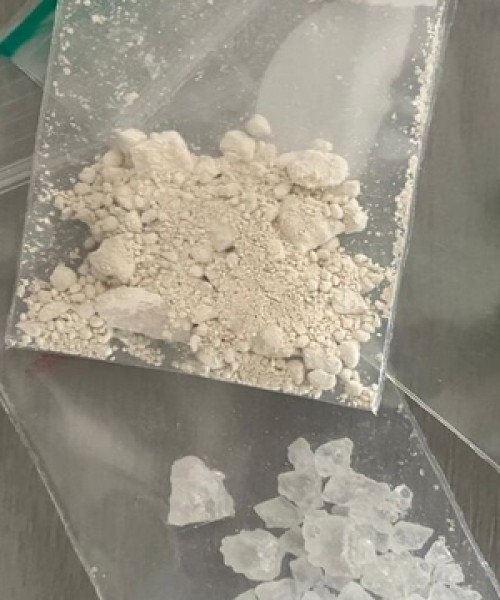


BROMAZOLAM
What Is Bromazolam?
Bromazolam is a synthetic triazolobenzodiazepine that has appeared in the novel psychoactive substance and designer-benzodiazepine market.
Chemically, it is closely related to alprazolam, the active ingredient in Xanax. In simplified structural terms, bromazolam is commonly described as the brominated counterpart of alprazolam, which contains chlorine instead.
That structural similarity does not make the two substances interchangeable.
Alprazolam is an approved prescription medication with:
- standardized pharmaceutical formulations
- established labeling
- defined clinical indications
- controlled manufacturing
- regulated dispensing
Bromazolam, by contrast, has circulated primarily as a designer benzodiazepine.
Recent toxicology reports have documented bromazolam in U.S. casework, including intoxication and death investigations.
For additional educational information about emerging psychoactive compounds, visit cannabinoidseller.com.
Bromazolam and Xanax Are Not the Same Drug
The similarity between bromazolam and alprazolam causes considerable confusion.
Xanax is a brand name for alprazolam.
Bromazolam is a separate molecule.
Accordingly, a tablet or powder containing bromazolam should not be described as pharmaceutical Xanax.
This distinction becomes especially important when counterfeit pills are involved.
A product may resemble a familiar alprazolam tablet while containing:
- bromazolam
- another designer benzodiazepine
- opioids
- multiple drugs
- an unknown concentration
Appearance alone therefore cannot establish drug identity.
Xanax Drug Classification
The Xanax drug classification is straightforward.
Xanax contains alprazolam, which belongs to the benzodiazepine drug class.
FDA labeling identifies alprazolam as a triazolo analogue of the 1,4-benzodiazepine class of central nervous system-active compounds.
Pharmacologically, alprazolam is also classified as a:
- CNS depressant
- anxiolytic
- sedative
Its primary approved uses involve anxiety and panic disorders.
Classification of Xanax in the United States
From a legal perspective, alprazolam is a Schedule IV controlled substance under U.S. federal law.
DEA specifically lists Xanax among Schedule IV drugs.
Therefore, Xanax has two useful classifications:
Pharmacological classification: benzodiazepine CNS depressant
Federal legal classification: Schedule IV controlled substance
These categories describe different aspects of the drug.
What Class Is Xanax?
Xanax is a benzodiazepine.
More specifically, alprazolam belongs to the triazolobenzodiazepine group.
Benzodiazepines enhance inhibitory signaling in the brain through the GABA-A receptor system.
Consequently, they can produce effects such as:
- reduced anxiety
- sedation
- muscle relaxation
- impaired coordination
- memory problems
- sleepiness
Bromazolam belongs to a closely related chemical family, although it does not have the same approved pharmaceutical status.
What Class of Drug Is Xanax?
In ordinary clinical language, Xanax is a benzodiazepine anxiolytic.
In broader pharmacological language, it is a central nervous system depressant.
Those descriptions are compatible rather than contradictory.
Its medical role is based on its effects on inhibitory GABA signaling.
Is Xanax a Controlled Medication?
Yes.
Alprazolam is a controlled medication in the United States.
Current DEA scheduling information lists alprazolam/Xanax as a Schedule IV controlled substance.
DailyMed labeling likewise states that alprazolam is a Schedule IV controlled substance and warns that it carries potential for abuse and addiction.
Why Is Xanax a Controlled Substance?
Xanax is controlled because alprazolam can cause:
- misuse
- abuse
- physical dependence
- withdrawal
- addiction
FDA requires strong benzodiazepine warnings covering these risks.
Physical dependence can develop even during legitimate medical treatment.
For this reason, abrupt discontinuation after sustained use can trigger serious withdrawal reactions.
Xanax Is Schedule IV
In the United States, Xanax is Schedule IV.
Schedule IV substances have recognized medical uses but remain controlled because of abuse and dependence potential.
Other Schedule IV benzodiazepines include:
- diazepam
- clonazepam
- lorazepam
- temazepam
- triazolam
This scheduling framework should not be automatically extended to every designer benzodiazepine.
Each substance may have separate federal or state treatment.
Is Xanax a Narcotic?
In pharmacological terms, Xanax is not an opioid narcotic.
It is a benzodiazepine CNS depressant.
The word “narcotic” is sometimes used broadly or legally, but in modern medical discussions it is often associated particularly with opioids.
Alprazolam does not primarily activate opioid receptors.
Instead, its effects arise through GABA-A receptor modulation.
Bromazolam Mechanism of Action
Bromazolam belongs to the benzodiazepine-type family.
Its expected central mechanism involves positive allosteric modulation of GABA-A receptors.
GABA is the major inhibitory neurotransmitter in the brain.
When benzodiazepine-site activity enhances GABA signaling, neuronal excitability decreases.
This can result in:
- sedation
- anxiolytic-type effects
- impaired coordination
- memory impairment
- drowsiness
However, bromazolam-specific clinical data remain much more limited than the extensive evidence available for approved benzodiazepines.
Bromazolam and Designer Benzodiazepines
Designer benzodiazepines are benzodiazepine-like compounds that appear outside conventional pharmaceutical use.
Examples reported in modern forensic literature include compounds such as:
- bromazolam
- clonazolam
- flubromazolam
- flualprazolam
- deschloroetizolam
- pyrazolam
- norflurazepam
Their pharmacology may resemble prescription benzodiazepines, but evidence quality varies substantially.
Some have very limited human clinical research.
Synthetic Xanax
The term synthetic Xanax is potentially misleading.
Pharmaceutical alprazolam is already a synthetic drug.
In illicit-market discussions, however, “synthetic Xanax” may refer to counterfeit tablets made to resemble Xanax while containing other compounds.
Those compounds can include designer benzodiazepines such as bromazolam.
Therefore, the safer terminology is:
- pharmaceutical alprazolam
- counterfeit tablet
- designer benzodiazepine
rather than assuming a counterfeit product is simply another form of Xanax.
Designer Xanax
The phrase designer Xanax is also informal rather than a recognized medical category.
It may refer to a non-pharmaceutical benzodiazepine marketed or pressed to resemble alprazolam.
That creates several risks.
The actual contents may differ in:
- drug identity
- concentration
- potency
- duration
- contaminants
Consequently, appearance or branding does not establish what a tablet contains.
Xanax Blotter
The phrase Xanax blotter may appear in online drug discussions, but blotter paper is not a standard FDA-approved Xanax formulation.
Approved alprazolam is manufactured in regulated pharmaceutical dosage forms.
A paper product advertised as containing alprazolam or a designer benzodiazepine should not be assumed to have:
- predictable concentration
- pharmaceutical purity
- uniform distribution
- verified identity
Laboratory analysis is required to establish chemical composition.
Xanax Symptoms and Expected Effects
The phrase Xanax symptoms can refer either to therapeutic effects or adverse effects.
Common benzodiazepine effects can include:
- drowsiness
- dizziness
- impaired coordination
- slowed thinking
- memory impairment
More serious CNS depression may involve:
- severe confusion
- inability to stay awake
- loss of consciousness
- breathing problems
Risk increases considerably when benzodiazepines are combined with opioids or alcohol.
How to Take a Xanax
Xanax should be taken only according to the individualized instructions on a legitimate prescription and medication label.
There is no universal dose or schedule appropriate for everyone.
Factors that affect prescribing decisions include:
- diagnosis
- other medications
- age
- liver function
- previous benzodiazepine exposure
- risk of dependence
This article does not provide personalized alprazolam dosing instructions.
Likewise, bromazolam should not be substituted for prescribed alprazolam.
10 mg of Xanax
A phrase such as 10 mg of Xanax should not be used as a self-dosing target.
Alprazolam is a potent CNS depressant, and risks depend on:
- individual tolerance
- prescription history
- other medications
- alcohol use
- opioid exposure
- medical conditions
Taking more alprazolam than prescribed can cause severe impairment and overdose, particularly when other CNS depressants are involved.
If someone has taken an unexpectedly large amount or is difficult to wake, emergency medical assessment is appropriate.
Bromazolam and Counterfeit Alprazolam
One major public-health concern involves designer benzodiazepines appearing in counterfeit medications.
A tablet marked or shaped like Xanax may not contain alprazolam at all.
Forensic testing is therefore crucial.
Recent bromazolam investigations in the United States demonstrate that the compound has entered the broader recreational drug supply.
This makes visual identification especially unreliable.
Bromazolam Clinical Toxicity
Recent clinical characterization of bromazolam poisoning has documented significant CNS depression.
Interpretation can be complicated because many cases involve more than one substance.
Nevertheless, published clinical evidence supports bromazolam as a potentially significant contributor to intoxication.
Possible benzodiazepine-type toxicity can include:
- pronounced drowsiness
- confusion
- impaired coordination
- reduced consciousness
- respiratory compromise, particularly with co-depressants
Bromazolam and Opioids
Benzodiazepine-type drugs and opioids are an especially dangerous combination.
Both can contribute to CNS depression.
When used together, the risk can include:
- profound sedation
- slowed breathing
- coma
- death
Consequently, a counterfeit “Xanax” tablet containing bromazolam becomes particularly dangerous if fentanyl or another opioid is also present.
Detoxing From Opioids
Detoxing from opioids involves managing withdrawal after the nervous system has adapted to repeated opioid exposure.
Common symptoms can include:
- anxiety
- restlessness
- sweating
- runny nose
- yawning
- muscle aches
- nausea
- vomiting
- diarrhea
- insomnia
- cravings
Withdrawal management is not the same as treatment for opioid use disorder.
Longer-term evidence-based care may include medications such as:
- buprenorphine
- methadone
- naltrexone
Treatment should be individualized by an appropriate healthcare professional.
Detox From Fentanyl
Fentanyl is a highly potent opioid.
Therefore, detox from fentanyl should be approached as opioid withdrawal rather than benzodiazepine withdrawal.
Medical support can be especially valuable because fentanyl exposure patterns may be complex.
Furthermore, relapse after abstinence carries substantial overdose danger because opioid tolerance can decrease.
This article does not provide a DIY fentanyl detox schedule.
Bromazolam Withdrawal Is Different From Opioid Withdrawal
Benzodiazepine-type withdrawal can differ significantly from opioid withdrawal.
Opioid withdrawal is usually extremely uncomfortable, whereas severe withdrawal from benzodiazepines and related CNS depressants can produce neurological emergencies.
Possible severe benzodiazepine withdrawal effects include:
- seizures
- hallucinations
- delirium
- extreme agitation
Accordingly, abrupt discontinuation after substantial benzodiazepine dependence can be dangerous.
Excessive Caffeine
Excessive caffeine produces a very different pharmacological picture from bromazolam or alprazolam.
Caffeine is a stimulant, whereas benzodiazepines are CNS depressants.
Too much caffeine may cause:
- anxiety
- restlessness
- insomnia
- tremor
- rapid heart rate
- gastrointestinal symptoms
Mild adverse caffeine effects include anxiety, restlessness, insomnia and irritability.
Symptoms of Caffeine Toxicity
More serious caffeine toxicity can affect both the cardiovascular and nervous systems.
Reported severe findings include:
- marked agitation
- rapid heart rhythm
- abnormal cardiac rhythms
- vomiting
- electrolyte disturbances
- seizures
Seizures and cardiac dysrhythmias are recognized complications of serious caffeine overdose.
These symptoms require medical evaluation rather than attempts to “balance” caffeine with benzodiazepines.
Stimulants and Depressants Do Not Cancel Each Other Out
Taking a CNS depressant after a stimulant does not neutralize the underlying toxicology.
The substances continue exerting their own physiological effects.
Consequently, using benzodiazepines or designer benzodiazepines to counteract excessive stimulant exposure can create an unpredictable mixed-drug situation.
The appropriate response to severe toxicity is medical assessment.
Dextroamphetamine vs. Methamphetamine
Dextroamphetamine and methamphetamine are closely related stimulant drugs, but they are not identical.
Both increase monoamine signaling, particularly involving:
- dopamine
- norepinephrine
Dextroamphetamine has established prescription medical uses in appropriate formulations.
Methamphetamine also has limited medical use in the United States, although illicit methamphetamine use creates major public-health harms.
Neither drug belongs to the benzodiazepine class.
Therefore:
dextroamphetamine/methamphetamine = stimulants
while
alprazolam/bromazolam = CNS depressant benzodiazepine-type drugs
Why Mixing Stimulants and Benzodiazepines Can Be Misleading
One drug may partially mask subjective effects of another.
For example, a stimulant can make someone feel less sleepy despite significant depressant exposure.
Conversely, a benzodiazepine may reduce anxiety while stimulant-related cardiovascular stress continues.
Therefore, feeling “balanced” does not mean the combination is physiologically safe.
Why Bromazolam Is Not Pharmaceutical Xanax
The distinction can be summarized simply.
| Feature | Bromazolam | Xanax / Alprazolam |
|---|---|---|
| Drug family | Triazolobenzodiazepine | Triazolobenzodiazepine |
| Structurally related | Yes | Yes |
| FDA-approved Xanax ingredient | No | Yes |
| Standard pharmaceutical dosage | No approved bromazolam dose | Yes |
| U.S. prescription medicine | No | Yes |
| Designer-drug context | Yes | No |
| Schedule IV alprazolam status automatically applies | Not necessarily | Yes |
Structural similarity does not create pharmaceutical equivalence.
Why Designer Benzodiazepine Potency Is Hard to Predict
Several variables can influence designer benzodiazepine effects:
- receptor affinity
- absorption
- metabolism
- active metabolites
- formulation
- individual physiology
Additionally, unregulated products may contain inaccurate amounts.
This means an apparent tablet strength cannot be safely compared with a pharmaceutical Xanax tablet based merely on appearance.
Bromazolam and Long-Term Use
Long-term benzodiazepine-type exposure can lead to:
- tolerance
- physical dependence
- impaired cognition
- sedation
- coordination problems
- withdrawal symptoms
Because bromazolam lacks the clinical evidence and standardized prescribing framework available for alprazolam, long-term effects are less well characterized.
Limited evidence should increase caution, not confidence.
Benzodiazepine Dependence and Withdrawal
FDA warns that benzodiazepines can produce physical dependence and withdrawal even during prescribed medical use.
Symptoms after abrupt discontinuation may include:
- anxiety
- insomnia
- tremor
- agitation
- perceptual disturbances
Severe cases can involve seizures and other dangerous reactions.
For this reason, a person physically dependent on benzodiazepines should seek medical guidance rather than abruptly stopping a sustained regimen.
Bromazolam Emergency Warning Signs
Seek emergency medical assistance after suspected bromazolam, alprazolam, counterfeit-tablet or mixed-drug exposure if a person develops:
- inability to wake
- severe confusion
- profound sedation
- slow or difficult breathing
- loss of consciousness
- seizures
Risk becomes particularly serious when opioids may also be involved.
If opioid exposure is possible and someone is unresponsive or not breathing normally, call emergency services and administer naloxone according to its approved instructions if available.
Naloxone reverses opioid effects.
It does not directly reverse bromazolam or alprazolam.
Frequently Asked Questions
1. Is Bromazolam the same as Xanax?
No. Xanax contains alprazolam. Bromazolam is a separate designer triazolobenzodiazepine with a closely related chemical structure.
2. What class is Xanax?
Xanax is a benzodiazepine CNS depressant. Its active ingredient, alprazolam, is federally classified as a Schedule IV controlled substance in the United States.
3. Why is Xanax controlled?
Alprazolam can cause abuse, misuse, addiction, physical dependence and withdrawal. Those risks are why it is subject to controlled-substance regulation.
4. Is Bromazolam synthetic Xanax?
That phrase is misleading. Bromazolam is a separate benzodiazepine analogue, not pharmaceutical alprazolam.
5. What are serious caffeine-toxicity symptoms?
Severe caffeine toxicity can cause marked agitation, abnormal heart rhythms, electrolyte abnormalities and seizures. Urgent medical assessment is appropriate when severe symptoms develop.
6. Is fentanyl detox the same as benzodiazepine withdrawal?
No. Fentanyl is an opioid, while bromazolam and alprazolam are benzodiazepine-type CNS depressants. Their withdrawal syndromes and medical risks differ.
Educational Resources
For additional educational research on emerging psychoactive compounds, visit cannabinoidseller.com.
U.S. Drug Enforcement Administration — Drug Scheduling
DEA identifies Xanax/alprazolam as a Schedule IV controlled substance.
FDA — Benzodiazepine Safety
Discusses abuse, misuse, addiction, physical dependence and withdrawal associated with benzodiazepines.
FDA — Benzodiazepine Boxed Warning
PubMed — Bromazolam Clinical Characterization
Recent clinical literature examines bromazolam intoxications and the challenges created by polysubstance exposure.
PubMed — Bromazolam Clinical Study
For additional educational information, visit cannabinoidseller.com and further pharmacology resources available through cannabinoidseller.com.
| Quantity | 10grams, 50grams, 100grams, 500grams, 1kg, 5kg, 10kg |
|---|
Be the first to review “BROMAZOLAM”
Related products
sedative

Stimulants

cathinones
Stimulants
sedative
sedative

Reviews
There are no reviews yet.