
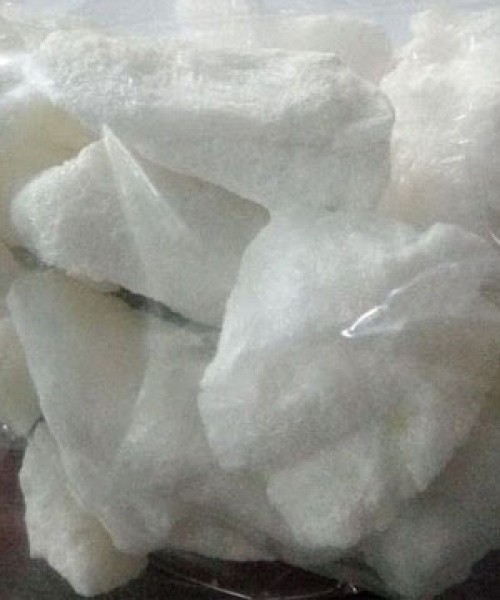
N-ETHYL HEXYLONE: SYNTHETIC CATHINONE PHARMACOLOGY, PSYCHOMOTOR STIMULANTS, OVERDOSE AND LONG-TERM EFFECTS EXPLAINED
What Is N-Ethyl Hexylone?
N-Ethyl Hexylone, also written N-ethylhexylone, is a synthetic cathinone that has appeared within the novel psychoactive substance (NPS) market.
Its systematic chemical identity has been reported as 1-(2H-1,3-benzodioxol-5-yl)-2-(ethylamino)hexan-1-one.
N-Ethyl Hexylone belongs to the broad family of synthetic cathinones, compounds structurally related to cathinone, the naturally occurring stimulant found in the khat plant.
It should not be confused with:
- hexylone
- N-ethylhexedrone
- methylone
- eutylone
- amphetamine
- methamphetamine
These substances can share structural or pharmacological features while remaining chemically distinct.
For additional educational information about emerging psychoactive substances, visit cannabinoidseller.com.
Quick Facts
| Feature | N-Ethyl Hexylone |
|---|---|
| Alternative spelling | N-ethylhexylone |
| Chemical family | Synthetic cathinone |
| Broad category | Novel psychoactive substance |
| General expected profile | Stimulant-type |
| Psychomotor stimulant family | Broadly consistent with cathinone stimulants |
| Prescription medication | No established U.S. prescription use |
| FDA-approved medicine | No |
| Same as N-ethylhexedrone | No |
| Same as hexylone | No |
| Human clinical evidence | Very limited |
| Forensic detection documented | Yes |
Why the Name Matters
Synthetic-cathinone nomenclature can become confusing.
Recent scientific work on cathinone naming specifically lists N-ethylhexylone as the common name for the methylenedioxy-substituted N-ethyl compound with the systematic structure given above.
Researchers have also noted inconsistencies in how cathinones such as hexylone and their N-ethyl analogues have historically been named.
That is important because similar-sounding names do not establish chemical identity.
N-Ethyl Hexylone is not N-ethylhexedrone.
N-Ethyl Hexylone in Forensic Science
Hexylone has been documented in forensic investigations.
U.S. Department of Justice-supported forensic research reported its identification in seized-drug material and subsequently in forensic toxicology casework.
DEA toxicology surveillance also reported N-Ethyl Hexylone among cathinones detected during the fourth quarter of 2020.
These findings demonstrate its presence in the NPS environment.
They do not establish an approved therapeutic use.
What Are Synthetic Cathinones?
Synthetic cathinones are a chemically diverse family of psychoactive substances.
Examples include:
- mephedrone
- methylone
- eutylone
- N-ethylpentylone
- N-ethylhexedrone
- α-PVP
- α-PiHP
- hexylone
- N-Ethyl Hexylone
The category is frequently associated with stimulant pharmacology.
However, individual cathinones can differ considerably in their relative activity at dopamine, norepinephrine and serotonin systems.
Monoamines and Stimulant Pharmacology
Three neurotransmitters are particularly important when discussing synthetic cathinones:
Dopamine
Dopamine participates in movement, motivation, reinforcement and reward processing.
Norepinephrine
Norepinephrine contributes to arousal, alertness and cardiovascular responses.
Serotonin
Serotonin contributes to mood, perception, thermoregulation and numerous physiological functions.
Synthetic cathinones can alter these signaling systems through interactions with monoamine transporters.
Important Limits of N-Ethyl Hexylone Research
N-Ethyl Hexylone has considerably less direct pharmacological and toxicological evidence than familiar stimulants such as amphetamine, methylphenidate or cocaine.
Consequently, class-wide information about synthetic cathinones should not automatically be presented as experimentally proven specifically for N-Ethyl Hexylone.
This distinction is essential.
Related cathinones can provide useful structure-activity context, but they cannot establish precise:
- human potency
- duration
- pharmacokinetics
- long-term toxicity
- dependence risk
for a comparatively under-studied compound.
What Are Psychomotor Stimulants?
Psychomotor stimulants are drugs that increase central nervous-system activity and can increase alertness, wakefulness and motor activity.
Classic examples include:
- amphetamine
- methamphetamine
- cocaine
- methylphenidate
Synthetic cathinones can also produce psychomotor-stimulant effects.
The term describes a functional pharmacological category rather than a single chemical family.
Psychomotor Stimulant Drugs
Different psychomotor stimulant drugs can produce broadly similar outward effects through different molecular mechanisms.
Amphetamine
Amphetamine increases monoamine signaling, especially dopamine and norepinephrine.
Methamphetamine
Methamphetamine is an amphetamine-type stimulant with strong effects on monoamine systems.
Methylphenidate
Methylphenidate primarily inhibits dopamine and norepinephrine transporters.
Cocaine
Cocaine inhibits several monoamine transporters, including DAT.
Synthetic cathinones
Synthetic cathinones vary. Some primarily inhibit transporters, whereas others behave more strongly as transporter substrates and monoamine-releasing agents.
Common Stimulants
A useful list of common stimulants includes both everyday substances and tightly controlled drugs.
| Stimulant | General category |
|---|---|
| Caffeine | Methylxanthine |
| Nicotine | Nicotinic receptor agonist with stimulant properties |
| Amphetamine | Prescription/controlled CNS stimulant |
| Dextroamphetamine | Prescription stimulant |
| Lisdexamfetamine | Prescription stimulant |
| Methylphenidate | Prescription stimulant |
| Methamphetamine | Powerful amphetamine-type stimulant |
| Cocaine | CNS stimulant |
| Synthetic cathinones | Diverse NPS/stimulant family |
These substances should not be interpreted as equivalent merely because they can all produce stimulation.
List of Stimulants
A broader list of stimulants can include:
- caffeine
- nicotine
- amphetamine
- dextroamphetamine
- lisdexamfetamine
- methylphenidate
- dexmethylphenidate
- methamphetamine
- cocaine
- selected synthetic cathinones
Some have legitimate medical uses.
Others have no accepted therapeutic role.
Regulatory status also varies substantially.
Kinds of Stimulants
Stimulants can be classified in several ways.
Prescription stimulants
Medications prescribed for recognized clinical conditions.
Illicit stimulants
Examples include illicit cocaine and illicitly manufactured methamphetamine.
Dietary stimulants
Caffeine is the most familiar example.
Novel psychoactive stimulants
This category includes numerous synthetic cathinones and other emerging compounds.
These categories can overlap pharmacologically without being legally or medically equivalent.
Stimulants and “Uppers”
Stimulants uppers is an informal phrase.
“Upper” generally refers to a drug that increases CNS activity.
Scientific and medical writing usually prefers more specific terms such as:
- CNS stimulant
- psychomotor stimulant
- sympathomimetic stimulant
- synthetic cathinone
These descriptions provide more pharmacological information than slang terminology.
Prescription Stimulants
Common prescription stimulants include medications containing:
- amphetamine salts
- dextroamphetamine
- lisdexamfetamine
- methylphenidate
- dexmethylphenidate
They are commonly used in the treatment of ADHD.
Some prescription stimulants also have applications involving narcolepsy.
NIDA explains that prescription stimulants increase alertness, attention and energy while also increasing physiological functions such as heart rate and blood pressure.
N-Ethyl Hexylone should not be treated as an alternative to these medicines.
How Do Stimulants Affect the Body?
The answer to how do stimulants affect the body depends on the particular substance.
Broadly, CNS stimulants can increase activity in neurological and sympathetic pathways.
Possible physiological effects include:
- increased heart rate
- increased blood pressure
- faster breathing
- increased body temperature
- reduced appetite
- increased wakefulness
Norepinephrine plays a particularly important role in many peripheral cardiovascular responses.
Which Is a Physiological Effect of Stimulants?
A classic physiological effect of stimulants is increased cardiovascular activity.
This can include:
- elevated pulse
- increased blood pressure
- vasoconstriction
Other possible physiological effects include:
- increased respiratory rate
- reduced appetite
- increased body temperature
- dilated pupils
The exact pattern varies according to the drug.
Effects of Stimulants on the Body
The effects of stimulants on the body can involve several organ systems simultaneously.
Cardiovascular system
Heart rate and blood pressure may rise.
Central nervous system
Alertness, wakefulness and activity can increase.
Thermoregulation
Some stimulants can increase body temperature.
Gastrointestinal system
Appetite can decline, while nausea or abdominal discomfort may occur.
Sleep
Stimulation can delay sleep and disrupt normal sleep patterns.
Short-Term Effects of Stimulants
Potential short term effects of stimulants include:
- increased alertness
- increased wakefulness
- reduced appetite
- increased heart rate
- increased blood pressure
- insomnia
- restlessness
Psychological effects can include:
- anxiety
- irritability
- agitation
Some stimulants can produce euphoria, particularly when misused.
The exact short-term profile varies substantially between compounds.
Stimulants Can Generate Increased Arousal
The search phrase “stimulants can generate a” commonly relates to increased physiological or psychological activity.
Stimulants can generate an increase in:
- arousal
- wakefulness
- attention
- heart rate
- blood pressure
At excessive exposure, increased stimulation can progress into dangerous toxicity.
More stimulation does not necessarily mean improved performance.
Effects of Stimulants
The effects of stimulants depend on:
- chemical mechanism
- exposure
- individual sensitivity
- health conditions
- other substances present
Therapeutic stimulant use under medical supervision should not be equated with uncontrolled exposure to an unknown synthetic cathinone.
This distinction is especially important when interpreting broad online descriptions of stimulant effects.
Side Effects of Stimulants
Possible side effects of stimulants can include:
- nervousness
- insomnia
- decreased appetite
- tremor
- headache
- increased pulse
- elevated blood pressure
Some individuals may experience substantial anxiety or agitation.
Side effects differ according to the drug and individual.
Side Effects of Stimulant Drugs
At higher or uncontrolled exposures, the side effects of stimulant drugs can become considerably more serious.
Potential problems include:
- severe agitation
- panic
- paranoia
- hallucinations
- hyperthermia
- abnormal heart rhythms
- seizures
Unknown NPS products introduce additional uncertainty because their identity and concentration may not match the label.
Stimulants Negative Effects
Potential stimulants negative effects can be divided into immediate and longer-term concerns.
Immediate concerns can include:
- insomnia
- anxiety
- elevated heart rate
- hypertension
- overheating
Repeated misuse can contribute to:
- dependence
- sleep disruption
- mood problems
- cardiovascular complications
- substance use disorder
Not every stimulant produces every effect.
Stimulant Overdose
A stimulant overdose occurs when exposure produces serious or potentially life-threatening toxicity.
Unlike opioid overdose, which classically involves dangerous respiratory depression, stimulant poisoning frequently involves excessive neurological and cardiovascular activation.
SAMHSA notes that stimulant overdose cannot always be predicted from the substance alone because purity, individual physiology and polysubstance exposure can vary.
Stimulant Overdose Symptoms
Potential stimulant overdose symptoms include:
- severe agitation
- tremor
- confusion
- hallucinations
- panic
- chest pain
- palpitations
- abnormal heart rhythm
- excessive sweating
- dangerously high body temperature
- seizures
Severe hypertension, cardiovascular collapse or loss of consciousness can indicate a life-threatening emergency.
What to Do During Suspected Stimulant Overdose
Call emergency medical services immediately if someone develops:
- seizure
- severe chest pain
- collapse
- loss of consciousness
- stroke-like symptoms
- dangerous overheating
- extreme confusion or agitation
- serious breathing abnormalities
Do not assume the person can simply “sleep it off.”
Unknown research chemicals create an additional reason for urgent medical evaluation because the actual substance may differ from what was expected.
Naloxone and Stimulant Overdose
Naloxone does not directly reverse stimulant toxicity.
However, illicit stimulant supplies can sometimes involve opioid co-exposure.
If opioid exposure is possible and a person is unresponsive or breathing abnormally, naloxone should be administered according to approved instructions when available while emergency medical assistance is obtained.
Naloxone can reverse an opioid component.
It will not reverse the stimulant itself.
Stimulant Abuse
The phrase stimulant abuse has historically been used for harmful or nonmedical stimulant use.
Modern clinical language often uses more specific descriptions such as:
- stimulant misuse
- stimulant use disorder
Prescription stimulant misuse can involve using medication:
- other than as prescribed
- without a prescription
- for nonmedical effects
NPS stimulant use creates additional concerns because compounds may lack established clinical safety information.
Stimulant Addiction
Stimulant addiction can occur when repeated drug use develops into a severe substance use disorder.
Warning signs can include:
- strong craving
- difficulty controlling use
- continuing despite health problems
- repeated unsuccessful attempts to stop
- neglecting important responsibilities
SAMHSA and NIDA recognize stimulant use disorder as a treatable medical condition.
Dopamine and Stimulant Reinforcement
Dopamine contributes significantly to reinforcement from many psychomotor stimulants.
Stimulants can increase dopaminergic activity through different mechanisms.
Rapid increases in dopamine within reward-related neural pathways can strengthen drug-taking behavior.
However, addiction is not simply “too much dopamine.”
It involves interacting:
- neurobiological
- behavioral
- environmental
- psychological
factors.
Tolerance and Dependence
Repeated stimulant exposure can produce adaptation.
Tolerance means some effects become weaker after repeated exposure.
Physical dependence refers to physiological adaptation that can contribute to withdrawal after discontinuation.
Neither is automatically identical to addiction.
A person can experience physiological adaptation without meeting diagnostic criteria for a substance use disorder.
Stimulant Withdrawal
Withdrawal from some repeatedly used stimulants can include:
- fatigue
- depressed mood
- sleep disturbances
- reduced motivation
- concentration difficulties
NIDA identifies fatigue, depression and sleep problems among potential withdrawal effects following prescription-stimulant misuse.
Severe depression or thoughts of self-harm require urgent professional attention.
Long-Term Effects of Stimulants
There is no single list of long term effects of stimulants that applies equally to caffeine, methylphenidate, cocaine, methamphetamine and synthetic cathinones.
Potential concerns associated with chronic misuse of powerful stimulants can include:
- cardiovascular complications
- persistent sleep disturbance
- anxiety
- mood disturbance
- nutritional problems
- substance use disorder
Some patterns of repeated stimulant misuse are associated with paranoia and psychotic symptoms.
Long-Term Effects of Stimulant Drugs
The long term effects of stimulant drugs depend strongly on the specific compound.
For methamphetamine, for example, SAMHSA describes potential chronic effects involving the cardiovascular system, mood, sleep and psychiatric health.
These findings cannot simply be transferred to N-Ethyl Hexylone.
Direct long-term human data for N-Ethyl Hexylone are insufficient to establish an equivalent chronic toxicity profile.
Why This Distinction Matters
A common problem in research-chemical content is treating every member of a drug class as if it had identical effects.
That approach can create misinformation.
Evidence about methamphetamine can explain general stimulant principles.
Evidence about N-ethylhexedrone can provide structural context.
Neither automatically proves that N-Ethyl Hexylone has precisely the same:
- potency
- duration
- toxicity
- dependence liability
- long-term consequences
Compound-specific evidence should take priority whenever available.
Prescription Use Is Different From Stimulant Misuse
Prescription stimulants have:
- standardized formulations
- known active ingredients
- clinical evidence
- prescribing information
- quality-control requirements
Unknown NPS products may lack these safeguards.
Therefore, adverse effects associated with uncontrolled synthetic-cathinone exposure should not be generalized to appropriately supervised prescription treatment.
Why Chemical Identification Matters
N-Ethyl Hexylone cannot be reliably identified by:
- powder color
- crystals
- packaging
- taste
- a vendor label
Forensic identification requires appropriate analytical methods.
These can include:
- chromatography
- mass spectrometry
- spectroscopic techniques
Visual similarity between substances does not establish chemical identity.
N-Ethyl Hexylone Versus N-Ethylhexedrone
These similarly named compounds deserve explicit separation.
N-Ethyl Hexylone contains a methylenedioxy-substituted aromatic system.
N-Ethylhexedrone is a different synthetic cathinone.
N-Ethylhexedrone has been more extensively studied and is known as a potent DAT and NET reuptake inhibitor with comparatively weaker SERT inhibition.
Those findings should not automatically be assigned quantitatively to N-Ethyl Hexylone.
Frequently Asked Questions
1. What is N-Ethyl Hexylone?
N-Ethyl Hexylone is a synthetic cathinone documented in novel psychoactive substance and forensic contexts. It is chemically distinct from N-ethylhexedrone and hexylone.
2. What are psychomotor stimulants?
Psychomotor stimulants increase CNS activity and can increase alertness, wakefulness and motor activity. Examples include amphetamine, methamphetamine, cocaine and methylphenidate.
3. What are common stimulant overdose symptoms?
Potential warning signs include severe agitation, confusion, hallucinations, chest pain, abnormal heartbeat, excessive sweating, dangerous overheating and seizures. Serious symptoms require emergency medical attention.
4. How do stimulants affect the body?
Many stimulants increase catecholamine activity, which can increase alertness, heart rate, blood pressure, respiration and body temperature while reducing appetite and interfering with sleep.
5. Can stimulants cause addiction?
Yes. Some stimulants can produce stimulant use disorder, including addiction. Risk depends on the substance, pattern of exposure and individual factors.
6. What are the long-term effects of stimulants?
Long-term consequences vary by drug. Chronic misuse of powerful stimulants can be associated with cardiovascular problems, persistent sleep disruption, mood or anxiety symptoms and substance use disorder. Direct long-term human evidence for N-Ethyl Hexylone remains limited.
Educational Resources
For additional educational information about emerging psychoactive substances, visit cannabinoidseller.com.
Scientific Review — Emerging Synthetic Cathinones
Recent scientific reviews describe the rapidly changing synthetic-cathinone market and emphasize that pharmacodynamic, pharmacokinetic and toxicity information remains limited for many newer compounds.
Read the synthetic cathinone review
NIDA — Prescription Stimulants
NIDA explains how prescription stimulants affect dopamine and norepinephrine, their medical uses, adverse effects, overdose and addiction risks.
Explore NIDA stimulant education
SAMHSA — Stimulant Use Disorders
SAMHSA provides clinical information about stimulant intoxication, overdose, dependence and treatment.
Read SAMHSA’s stimulant guidance
For further research-oriented educational content, visit cannabinoidseller.com and additional resources through cannabinoidseller.com.
| Quantity | 10grams, 50grams, 100grams, 500grams, 1kg, 5kg, 10kg |
|---|
Be the first to review “N-ETHYL HEXYLONE”
Related products
New
New
New

New
New

Reviews
There are no reviews yet.