

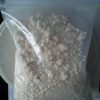

MDPEP (METHYLENEDIOXY-PV8): SYNTHETIC CATHINONE PHARMACOLOGY, DESIGNER DRUGS AND DESIGNER BENZODIAZEPINES EXPLAINED
What Is MDPEP (Methylenedioxy-PV8)?
MDPEP, commonly called methylenedioxy-PV8 and described scientifically as 3,4-methylenedioxy-PV8, is a synthetic cathinone belonging to the pyrrolidine-containing cathinone family.
It is an emerging novel psychoactive substance (NPS) associated with stimulant pharmacology.
Recent laboratory research examining dozens of established and emerging stimulants specifically included MDPEP. The results identified MDPEP among a group of methylenedioxy-substituted pyrrolidine cathinones displaying particularly high potency at the dopamine transporter (DAT).
That pharmacology places MDPEP within the stimulant side of the NPS landscape.
It is important to establish immediately that:
MDPEP is not a benzodiazepine.
It is not a designer Xanax.
MDPEP is not an opioid.
Instead, it belongs to a chemical family associated with psychomotor stimulation and monoamine-transporter inhibition.
For additional educational information about emerging psychoactive compounds, visit cannabinoidseller.com.
Quick Facts
| Feature | MDPEP |
|---|---|
| Common expansion | Methylenedioxy-PV8 |
| Scientific description | 3,4-Methylenedioxy-PV8 |
| Drug family | Synthetic cathinone |
| Subgroup | Pyrrolidine cathinone |
| Broad effect category | Stimulant |
| Important molecular target | Dopamine transporter |
| Designer benzodiazepine | No |
| Designer Xanax | No |
| Conventional benzodiazepine | No |
| FDA-approved medicine | No |
| Established therapeutic use | No |
| Human clinical evidence | Limited |
Understanding the Synthetic Cathinone Family
Synthetic cathinones are chemically related to cathinone, a naturally occurring stimulant constituent of the khat plant.
The family includes numerous substances that have appeared in the international NPS market.
Examples include:
- mephedrone
- methylone
- 3-MMC
- 4-MMC
- α-PVP
- MDPV
- α-PiHP
- MDPEP
These compounds can affect monoamine neurotransmission.
Three transport proteins are especially important:
- dopamine transporter — DAT
- norepinephrine transporter — NET
- serotonin transporter — SERT
However, individual synthetic cathinones do not necessarily interact with all three transporters equally.
MDPEP and the Dopamine Transporter
The dopamine transporter helps regulate extracellular dopamine.
After dopamine has been released into a synapse, DAT transports much of it back into the presynaptic neuron.
Blocking this transporter can slow dopamine clearance.
The simplified sequence is:
dopamine release → receptor signaling → DAT-mediated reuptake
When DAT is strongly inhibited, extracellular dopamine signaling can increase.
This mechanism is important for several powerful psychomotor stimulants.
What Recent Research Says About MDPEP
Modern transporter research provides more direct information about MDPEP than was previously available.
A comprehensive laboratory investigation published in 2026 examined 58 established and emerging stimulant compounds.
Most synthetic cathinones inhibited DAT.
Particularly notable were three methylenedioxy-substituted pyrrolidine cathinones:
- MDPiHP
- MDPEP
- MDPV
These compounds demonstrated exceptionally high DAT potency within the experimental panel.
This supports the classification of MDPEP as a potent dopamine-transporter-interacting stimulant.
Laboratory potency, however, should not be converted directly into a human dose or safety estimate.
Pyrrolidine Cathinones
The pyrrolidine group of synthetic cathinones is pharmacologically important.
Well-studied examples such as MDPV act primarily as monoamine transporter blockers rather than classic amphetamine-like transporter substrates.
This means they can inhibit neurotransmitter reuptake.
DAT and NET are particularly important targets for many compounds in this group.
MDPEP’s methylenedioxy substitution also places it structurally near other compounds studied within this stimulant family.
MDPEP Versus MDPV
MDPEP and MDPV have similar-looking names but are distinct molecules.
| Feature | MDPEP | MDPV |
|---|---|---|
| Synthetic cathinone | Yes | Yes |
| Pyrrolidine-containing | Yes | Yes |
| Methylenedioxy group | Yes | Yes |
| DAT activity | Strong experimental evidence | Strongly established |
| Prescription medicine | No | No |
| Same chemical | No | No |
Structural similarity can help scientists investigate structure-activity relationships.
It does not make two compounds pharmacologically identical.
What Are Designer Drugs?
The term designer drug generally describes a psychoactive substance created, modified, rediscovered or introduced to produce effects resembling established drugs while differing chemically from traditional controlled or pharmaceutical compounds.
Many designer drugs belong to the broader NPS category.
Examples have appeared among:
- synthetic cathinones
- synthetic cannabinoids
- novel opioids
- designer benzodiazepines
- substituted phenethylamines
- tryptamines
These groups can have completely different mechanisms.
Therefore, “designer drug” is not a single pharmacological class.
Designer Drugs List
A useful educational designer drugs list is better organized by drug family rather than perceived potency.
| Designer-drug category | Examples reported in scientific literature |
|---|---|
| Synthetic cathinones | α-PiHP, MDPV, 3-MMC, MDPEP |
| Designer benzodiazepines | clonazolam, bromazolam, flualprazolam, flubromazolam |
| Synthetic cannabinoids | Numerous CB1 receptor agonists |
| Novel synthetic opioids | Nitazene-family compounds |
| Novel psychedelics | Various substituted phenethylamines and tryptamines |
These categories should not be treated as interchangeable.
MDPEP Is a Designer Drug but Not a Designer Benzodiazepine
This distinction is particularly important for the supplied keywords.
MDPEP can reasonably be discussed within the broad designer-drug or NPS landscape.
It does not belong on a designer benzodiazepines list.
Its stimulant pharmacology differs fundamentally from benzodiazepine pharmacology.
A simplified comparison is:
MDPEP → monoamine-transporter-related stimulant pharmacology
while:
Designer benzodiazepines → GABA-A receptor positive allosteric modulation and CNS depression
These mechanisms produce substantially different pharmacological profiles.
What Are Designer Benzodiazepines?
Designer benzodiazepines are benzodiazepine or benzodiazepine-like compounds that have appeared outside conventional regulated pharmaceutical markets.
Some were originally described decades ago in pharmaceutical research but were never marketed.
Others are analogues of established benzodiazepines.
Scientific reviews describe designer benzodiazepines as an important category of novel psychoactive substances.
Their pharmacology generally resembles traditional benzodiazepines through activity at the GABA-A receptor complex.
How Benzodiazepines Affect GABA-A Receptors
GABA is the major inhibitory neurotransmitter in the human brain.
Benzodiazepines bind to an allosteric site associated with certain GABA-A receptors.
Rather than directly replacing GABA, they enhance GABA-mediated inhibitory signaling.
This can produce effects such as:
- sedation
- reduced anxiety
- muscle relaxation
- impaired coordination
- memory impairment
This mechanism is fundamentally different from MDPEP’s stimulant-related monoamine-transporter pharmacology.
Designer Benzodiazepines List
A scientific designer benzodiazepines list can include compounds documented in forensic and toxicological literature such as:
- clonazolam
- bromazolam
- diclazepam
- flualprazolam
- flubromazolam
- flubromazepam
- deschloroetizolam
- etizolam
- pyrazolam
- phenazepam
- meclonazepam
- metizolam
Not every compound on historical lists has identical regulatory status in every country.
Legal classifications also change over time.
New Designer Benzodiazepines
The phrase new designer benzodiazepines does not necessarily mean the molecules themselves were invented recently.
Some emerging benzodiazepines were first synthesized or described many years before appearing in modern NPS markets.
“New” can therefore mean:
- newly detected in illicit markets
- newly reported by an early-warning system
- newly encountered in toxicology
- newly prevalent in counterfeit products
Recent forensic literature continues to document changing patterns of novel benzodiazepine detection.
Designer Benzodiazepines Versus Prescription Benzodiazepines
| Feature | Prescription benzodiazepines | Designer benzodiazepines |
|---|---|---|
| GABA-A-related pharmacology | Yes | Generally yes |
| Pharmaceutical quality control | Yes | Often absent in illicit products |
| Standardized strength | Yes | Often uncertain |
| Approved indication | Drug-specific | Frequently none |
| Clinical evidence | Usually substantial | Often limited |
| Routine toxicology detection | Established compounds easier | Can be challenging |
The pharmacological similarities can make designer benzodiazepines particularly difficult to distinguish clinically without analytical testing.
What Is “Designer Xanax”?
The phrase designer Xanax is informal rather than a precise scientific drug classification.
Xanax is the brand name for alprazolam.
Alprazolam is an established prescription benzodiazepine.
Products described informally as “designer Xanax” may instead refer to non-approved benzodiazepine-type substances or counterfeit tablets designed to resemble pharmaceutical alprazolam.
Possible compounds encountered in the broader counterfeit/designer benzodiazepine environment have included:
- flualprazolam
- bromazolam
- clonazolam
- etizolam
A tablet’s appearance cannot establish its chemical contents.
Designer Xanax Is Not Pharmaceutical Xanax
A tablet carrying markings associated with Xanax does not prove that it contains pharmaceutical alprazolam.
Counterfeit tablets can contain unexpected psychoactive compounds.
This distinction matters because different benzodiazepines can have different:
- potency
- metabolism
- duration
- active metabolites
Unexpected opioid contamination can create an additional emergency risk in illicit drug markets.
MDPEP Versus Designer Xanax
These substances sit on opposite sides of an important CNS distinction.
| Feature | MDPEP | Designer benzodiazepines |
|---|---|---|
| Main family | Synthetic cathinone | Benzodiazepine/NPS |
| Broad CNS profile | Stimulant | Depressant/sedative |
| DAT important | Yes | Not primary mechanism |
| GABA-A modulation | Not defining mechanism | Yes |
| Sedation expected as defining action | No | Yes |
| Psychomotor stimulation | Expected | No |
| FDA-approved medicine | No | Usually no |
This is why the two categories should not be merged merely because both can be described as designer drugs.
Designer Benzodiazepines and CNS Depression
Designer benzodiazepines can produce substantial CNS depression.
Reported effects across the class include:
- sedation
- impaired coordination
- memory impairment
- reduced alertness
- psychomotor impairment
Some compounds have been associated with severe intoxication and fatalities, particularly in polysubstance cases.
Benzodiazepines and Opioids
Combining benzodiazepine-type CNS depressants with opioids is particularly dangerous.
Both can contribute to profound sedation.
Opioids additionally suppress respiratory drive.
Combined exposure can increase the risk of:
- extreme sedation
- unconsciousness
- respiratory depression
- coma
- death
Alcohol can further increase CNS-depressant effects.
Designer Benzodiazepine Dependence
Repeated benzodiazepine exposure can produce physical dependence.
Abrupt discontinuation after substantial dependence can cause serious withdrawal.
Potential symptoms can include:
- anxiety
- insomnia
- tremor
- agitation
- perceptual disturbances
Severe withdrawal can involve:
- hallucinations
- delirium
- seizures
This is one reason established benzodiazepines are generally tapered under medical supervision when clinically appropriate rather than abruptly discontinued after significant dependence.
Synthetic Cathinone Risks Are Different
MDPEP belongs to a stimulant family, so its principal acute concerns are not identical to benzodiazepine toxicity.
Severe stimulant toxicity can involve:
- extreme agitation
- confusion
- hallucinations
- chest pain
- abnormal heart rhythm
- severe hypertension
- dangerous hyperthermia
- seizures
- collapse
Severe symptoms after exposure to an unknown stimulant require urgent medical evaluation.
Why Unknown Designer Drugs Are Difficult to Identify
Appearance provides very little reliable information about chemical identity.
An unknown:
- powder
- crystal
- tablet
- capsule
cannot reliably be identified from color, logo or packaging.
Forensic laboratories use analytical methods such as:
- liquid chromatography
- gas chromatography
- mass spectrometry
Designer benzodiazepines create an additional challenge because some conventional toxicology panels may not detect every emerging analogue.
Why Toxicology Laboratories Keep Updating Their Tests
The NPS market changes continuously.
New compounds emerge while others decline.
Research into designer benzodiazepine detection has demonstrated that traditional screening systems can miss some non-approved benzodiazepines or require confirmatory testing using advanced mass-spectrometry methods.
Modern forensic toxicology therefore relies increasingly on broad analytical libraries and high-resolution instrumentation.
New Does Not Mean Safer
A newly emerging drug can sometimes have substantially less human evidence than an older pharmaceutical compound.
Researchers may initially know little about:
- pharmacokinetics
- metabolism
- interactions
- chronic toxicity
- dependence potential
The absence of published adverse events therefore should not be interpreted as proof of safety.
Research Chemical Does Not Mean Approved Medicine
Terms such as:
- research chemical
- designer drug
- laboratory chemical
- NPS
do not establish medical approval.
Likewise, they do not automatically establish legal status.
A substance’s regulatory position depends on the specific compound and jurisdiction.
Frequently Asked Questions
1. What is MDPEP?
MDPEP, or 3,4-methylenedioxy-PV8, is a synthetic cathinone in the pyrrolidine-containing cathinone family. Recent experimental research identifies it as a potent dopamine-transporter inhibitor.
2. Is MDPEP a designer benzodiazepine?
No. MDPEP is a synthetic cathinone stimulant. Designer benzodiazepines are CNS depressants whose characteristic pharmacology involves GABA-A receptor modulation.
3. What are designer benzodiazepines?
Designer benzodiazepines are benzodiazepine or benzodiazepine-like NPS encountered outside conventional pharmaceutical markets. Examples documented in scientific literature include clonazolam, bromazolam, flualprazolam, flubromazolam and diclazepam.
4. What does “designer Xanax” mean?
“Designer Xanax” is an informal expression rather than a scientific classification. It can refer to non-approved benzodiazepine-type substances or counterfeit tablets presented as alprazolam. Pharmaceutical Xanax itself contains alprazolam.
5. Are all designer drugs stimulants?
No. Designer drugs span several pharmacological families. Synthetic cathinones can be stimulants, designer benzodiazepines are CNS depressants, novel opioids activate opioid receptors, and other NPS can have psychedelic or cannabinoid-receptor activity.
6. Why are designer benzodiazepines difficult to detect?
Some emerging benzodiazepines or their metabolites are not adequately covered by traditional toxicology screening panels. Modern laboratories may use LC-MS/MS or high-resolution mass spectrometry for broader identification.
Educational Resources
For additional educational information about research chemicals and novel psychoactive substances, visit cannabinoidseller.com.
PubMed — Emerging Stimulant Transporter Pharmacology
Recent research examining 58 stimulants included MDPEP and found particularly high DAT potency among methylenedioxy-substituted pyrrolidine cathinones.
Read the stimulant transporter study on PubMed
PubMed — Designer Benzodiazepine Detection
A scientific review discusses designer benzodiazepines, their CNS-depressant effects, metabolism and modern toxicological detection.
Read the designer benzodiazepine review on PubMed
PubMed — Designer Benzodiazepine Toxicology
A toxicology and public-health review examines compounds including clonazolam, diclazepam, flualprazolam, flubromazolam, phenazepam and pyrazolam.
Read the toxicology review on PubMed
For further research-oriented educational content, visit cannabinoidseller.com and its educational research resources.
| Quantity | 10grams, 50grams, 100grams, 500grams, 1kg, 5kg, 10kg |
|---|
Be the first to review “MDPEP (METHYLENEDIOXY-PV8)”
Related products

New

New
New


Stimulants

Reviews
There are no reviews yet.